

Changing the oil on a lawn mower is simple and essential. A well-maintained mower runs better and lasts longer.
In this guide, we will show you how to change the oil on your lawn mower step by step. Regular oil changes are crucial for keeping your mower in top shape. Dirty oil can harm the engine and reduce performance.
By changing the oil, you ensure that the engine stays clean and runs smoothly. This task might seem daunting, but it’s easier than you think. With the right tools and a bit of patience, you can do it yourself. Follow our detailed steps to keep your lawn mower running like new.

Preparation
Preparation is key to changing the oil on your lawn mower. Proper preparation ensures a smooth process and prevents any potential issues. This section will guide you through the steps needed to get ready for the oil change.
Choosing The Right Oil
Picking the right oil is crucial for your lawn mower’s health. Always check your mower’s manual. It will tell you the recommended oil type. Most mowers use SAE 30 motor oil. For colder climates, use SAE 5W-30.
Some mowers may recommend synthetic oil. Synthetic oil can last longer and perform better. But, always follow the manufacturer’s advice. This ensures the best performance and longevity.
Safety Precautions
Safety should be your top priority. First, disconnect the spark plug wire. This prevents the mower from starting accidentally. Wear gloves to protect your hands from hot oil. Use safety glasses to protect your eyes from spills.
Work in a well-ventilated area. This reduces the risk of inhaling harmful fumes. Keep a fire extinguisher nearby. Though unlikely, it’s better to be prepared.
Place a tarp or newspaper under the mower. This catches any spills and keeps your workspace clean. Have a container ready for the old oil. Use one that can be sealed and is easy to transport.
Locate The Oil Drain Plug
Changing the oil on your lawn mower ensures it runs smoothly. The first step in this process is to locate the oil drain plug. This step is crucial for draining old oil efficiently.
Identifying The Drain Plug
The oil drain plug is usually found beneath the mower deck. Look for a small, metal plug or bolt. It is often located near the engine base. If unsure, check your owner’s manual. It will have a diagram showing the exact location.
Some lawn mowers have the plug on the side of the engine. Others may have it directly underneath. The plug may be labeled for easy identification. If not, look for a small, flat surface around the plug.
Positioning The Lawn Mower
Before you begin, make sure the mower is on a flat surface. This prevents spills and keeps the mower stable. Turn off the engine and disconnect the spark plug. This ensures safety while you work.
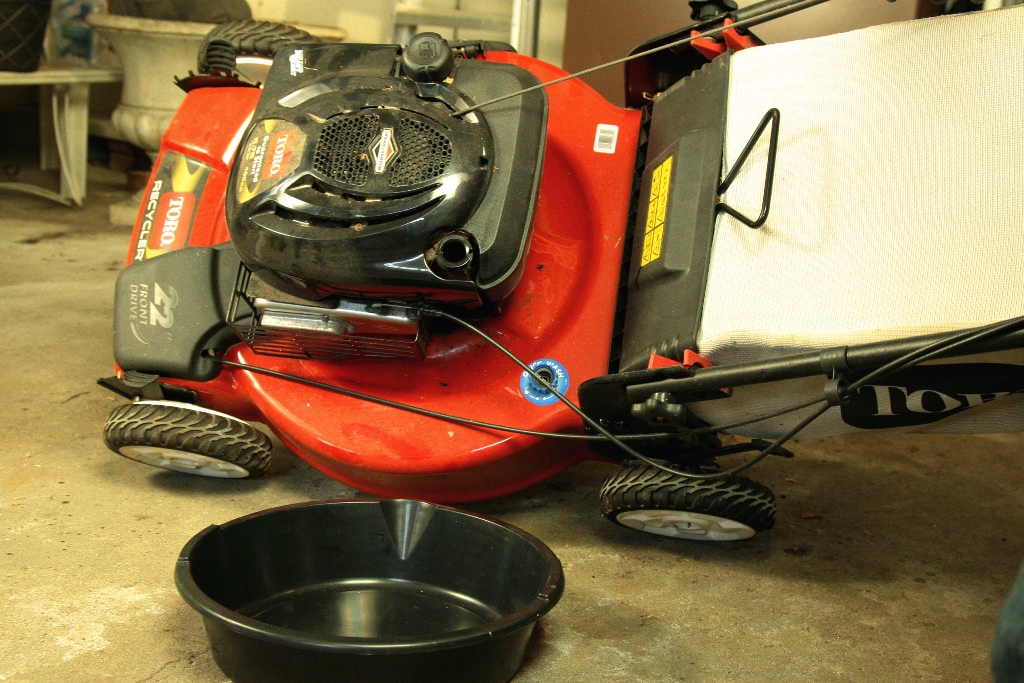
Lift the mower slightly if needed. You can use a jack or lift the front wheels. This gives you better access to the oil drain plug. Place a drain pan under the plug. This will catch the old oil as it drains out.
Drain The Old Oil
Draining the old oil is an important step in changing the oil on a lawn mower. It ensures your machine runs smoothly. Here’s a simple guide to help you through the process. Follow these steps to keep your lawn mower in top shape.
Placing The Oil Pan
First, you need to place an oil pan under the lawn mower. This pan will catch the old oil. It prevents spills and keeps your workspace clean. Make sure the pan is large enough to hold all the oil.
- Position the lawn mower on a flat surface.
- Lift the mower slightly using a jack or blocks.
- Slide the oil pan under the mower’s drain plug.
Removing The Drain Plug
Next, it’s time to remove the drain plug. This allows the old oil to flow out. Use a wrench to loosen the plug. Turn it counterclockwise until you can remove it by hand.
- Locate the drain plug under the mower.
- Use a wrench to turn the plug counterclockwise.
- Carefully remove the plug and let the oil drain into the pan.
Wait until all the oil has drained out. This may take a few minutes. Ensure every drop is out before proceeding to the next step. Once the oil has drained, replace the drain plug. Tighten it with the wrench to prevent leaks.

Replace The Oil Filter
Changing the oil filter on your lawn mower is a crucial step in maintaining its performance. The oil filter helps keep the engine clean by trapping dirt and debris. Over time, it can get clogged and needs replacing. This guide will walk you through the steps to replace the oil filter efficiently.
Removing The Old Filter
Before removing the old filter, make sure the engine is cool. Locate the oil filter on your lawn mower. Use an oil filter wrench to unscrew the old filter. Turn it counterclockwise to loosen it. Be careful, as some oil might spill out. Have a container ready to catch any spills.
Installing The New Filter
Take the new oil filter and apply a thin layer of clean oil to the gasket. This helps create a good seal and makes it easier to remove next time. Screw the new filter onto the engine by turning it clockwise. Tighten it by hand until it’s snug, then give it another quarter turn with the wrench.
| Step | Action |
|---|---|
| 1 | Locate the oil filter |
| 2 | Use a wrench to remove the old filter |
| 3 | Apply clean oil to the new filter’s gasket |
| 4 | Install the new filter by hand |
| 5 | Tighten the filter with a wrench |
That’s it! You’ve successfully replaced the oil filter on your lawn mower. This small maintenance step can make a big difference in your mower’s performance.
Refill With New Oil
Changing the oil in your lawn mower is crucial for its performance. After draining the old oil, it’s time to add fresh oil. This step ensures your mower runs smoothly and efficiently.
Selecting The Correct Oil Type
It’s important to choose the right oil for your lawn mower. Refer to your mower’s manual. Generally, SAE 30 motor oil works well for most mowers. For colder climates, consider using 5W-30 or 10W-30. These oils perform better in low temperatures.
Pouring The New Oil
Now that you have the correct oil, it’s time to pour it into the mower. Use a funnel to avoid spills. Slowly pour the oil into the oil fill tube. Check the oil level with the dipstick. Ensure you do not overfill.
Follow these steps to pour the new oil:
- Place the funnel in the oil fill tube.
- Pour a small amount of oil.
- Wait for the oil to settle.
- Check the level with the dipstick.
- Repeat until the oil reaches the full mark.
After filling, securely tighten the oil cap. Dispose of the old oil safely at a recycling center. This simple maintenance task ensures your lawn mower runs efficiently.
Check Oil Levels
Maintaining your lawn mower involves checking the oil levels regularly. Proper oil levels ensure your mower runs smoothly and lasts longer. Follow these simple steps to check and adjust the oil levels in your lawn mower.
Using The Dipstick
Start by locating the dipstick on your lawn mower. It is usually near the engine. Pull it out and wipe it clean with a rag. Insert it back fully, then pull it out again. Check the oil level on the dipstick.
The dipstick has markings to show the oil level. Ensure the oil level is between the “Full” and “Add” marks. If it is too low, you need to add more oil. If it is too high, you may need to drain some.
Adjusting As Needed
If the oil level is low, add oil slowly. Use a funnel to avoid spills. Pour a small amount of oil, then recheck the level using the dipstick. Repeat this process until the oil reaches the “Full” mark.
If the oil level is too high, you need to drain some oil. Use a drain pan to catch the excess oil. Remove the drain plug or use an oil extractor pump. Check the oil level again after draining.
Maintaining the right oil level helps your lawn mower work efficiently. Regular oil checks can prevent engine damage and extend the life of your mower.
Dispose Of Old Oil
Changing the oil in your lawn mower is important. But knowing how to dispose of the old oil is equally crucial. Improper disposal can harm the environment and is often illegal. Follow these steps to ensure you dispose of old oil correctly and responsibly.
Proper Disposal Methods
Place the old oil in a sealed, leak-proof container. Ensure the container is labeled as “used oil.” Take the container to a recycling center or an auto service shop. Many of these places accept used oil for free. They have the proper facilities to recycle or dispose of it safely.
Environmental Considerations
Used oil can be very harmful to the environment. Just one gallon of oil can contaminate one million gallons of water. Never pour old oil down the drain, on the ground, or in the trash. These actions can lead to severe pollution and legal penalties.
By recycling the used oil, you help protect the environment. Recycled oil can be cleaned and reused. This saves resources and reduces pollution. Always choose environmentally friendly disposal methods.
Frequently Asked Questions
How Do I Drain The Oil From My Lawn Mower?
To drain the oil from your lawn mower, locate the drain plug, remove it, and let the oil flow into a pan. Dispose of the old oil properly.
How Often Should You Change Lawn Mower Oil?
Change lawn mower oil every 50 hours of use or at least once every season. Check the owner’s manual for specifics.
Where Is The Oil Filter On A Lawn Mower?
The oil filter on a lawn mower is usually located near the engine, often on the side or bottom. Check the owner’s manual for specific details.
Where Is The Oil Drain Plug On A Briggs And Stratton?
The oil drain plug on a Briggs and Stratton engine is typically located at the base of the engine. Look for a square or hexagonal bolt at the bottom. Always refer to the user manual for exact location and instructions.
Conclusion
Changing the oil on your lawn mower is straightforward. Regular oil changes keep your mower running smoothly. Clean oil helps the engine last longer and perform better. Follow the steps, use the right oil, and dispose of the old oil responsibly.
A well-maintained mower saves time and money in the long run. Now, you’re ready to keep your lawn looking great with less hassle. Happy mowing!
