

Balancing lawn mower blades is crucial for a healthy lawn. It ensures an even cut and extends the life of your mower.
Maintaining your lawn mower is essential for a beautiful yard. One often overlooked task is blade balancing. When mower blades are unbalanced, they can cause damage to the mower and result in an uneven cut. This not only affects the health of your grass but also the efficiency of your mowing.
Balancing your mower blades is a simple process that can save you time and money in the long run. In this guide, we will explore the steps to balance your lawn mower blades and why it’s important for your lawn’s health. By the end, you’ll be equipped with the knowledge to keep your mower running smoothly.

Preparation
Balancing your lawn mower blades is essential for a smooth and even cut. Proper preparation ensures the task is safe and efficient. Follow these steps to prepare for balancing your lawn mower blades.
Safety Precautions
Before starting, it’s crucial to focus on safety. Here are some important safety tips:
- Disconnect the spark plug: This prevents accidental starts.
- Wear protective gear: Use gloves and safety glasses.
- Ensure stability: Place the mower on a flat, stable surface.
Gathering Supplies
Make sure you have all the necessary supplies on hand. Here’s what you’ll need:
| Supplies | Purpose |
|---|---|
| Wrench | To remove the mower blade |
| Blade balancer | To check the balance of the blade |
| File or Grinder | To sharpen and balance the blade |
| Cleaning brush | To clean debris from the blade |
Having these supplies ready will make the process quicker and smoother.

Removing The Blade
Removing the blade is a crucial step in balancing your lawn mower blades. This task ensures your mower operates smoothly and extends its lifespan. Follow these steps to safely and effectively remove the blade.
Disconnecting The Spark Plug
Safety first. Always disconnect the spark plug before working on your lawn mower. This prevents accidental starting. Locate the spark plug wire. It’s usually at the front of the mower engine. Gently pull the wire off the spark plug. Ensure it is completely disconnected. This step is essential for your safety.
Loosening The Blade
Once the spark plug is disconnected, you can focus on the blade. Turn the mower on its side. Ensure the air filter and carburetor face up. This prevents oil and gas from leaking. Use a block of wood to secure the blade. Insert it between the blade and mower deck. This keeps the blade from moving while you loosen it.
Next, use a wrench to loosen the blade bolt. Turn the bolt counterclockwise to remove it. If the bolt is tight, apply penetrating oil. Let it sit for a few minutes. Try again. Once the bolt is loose, remove the blade carefully. Note its orientation. This helps when reattaching it later.
Cleaning The Blade
Cleaning the blade is an essential step in balancing your lawn mower blades. It helps remove dirt and grime. A clean blade ensures a smoother, more efficient cut. Plus, it makes the balancing process more accurate.
Scraping Off Debris
First, scrape off any debris stuck to the blade. Use a putty knife or a similar tool. Work carefully to avoid damaging the blade. Remove all grass clippings, mud, and other residues. This helps the blade perform better.
Using A Wire Brush
Next, use a wire brush to clean the blade. It helps remove smaller particles. Brush both sides thoroughly. Pay attention to any rust spots. Scrub until the blade looks clean and smooth. This step ensures the blade stays sharp and balanced.
Checking The Balance
Ensuring your lawn mower blades are balanced is crucial for smooth operation. An unbalanced blade can cause uneven cuts and damage your mower. Here, we will explore ways to check the balance of your lawn mower blades.
Using A Balancer Tool
A blade balancer tool is a simple device that helps you check if your blade is balanced. Follow these steps:
- Remove the blade from the mower.
- Place the blade on the balancer tool.
- Observe if the blade tips to one side.
If the blade tips, it means one side is heavier. You will need to grind the heavier side until the blade remains level on the tool.
Using a balancer tool is quick and accurate. It ensures your blades are balanced and ready for use.
Alternative Methods
You can also check the balance of your lawn mower blades using simple household items.
- Nail Method: Drive a nail into a wall. Hang the blade on the nail through its center hole. Observe if one side tips down.
- Screwdriver Method: Insert a screwdriver through the center hole of the blade. Hold the screwdriver horizontally. Check if one side drops lower.
Both methods help identify unbalanced blades. They require careful observation but are effective and cost nothing.
Once you identify the heavier side, use a file or grinder to remove some metal. Recheck the balance until the blade stays level.
Balancing The Blade
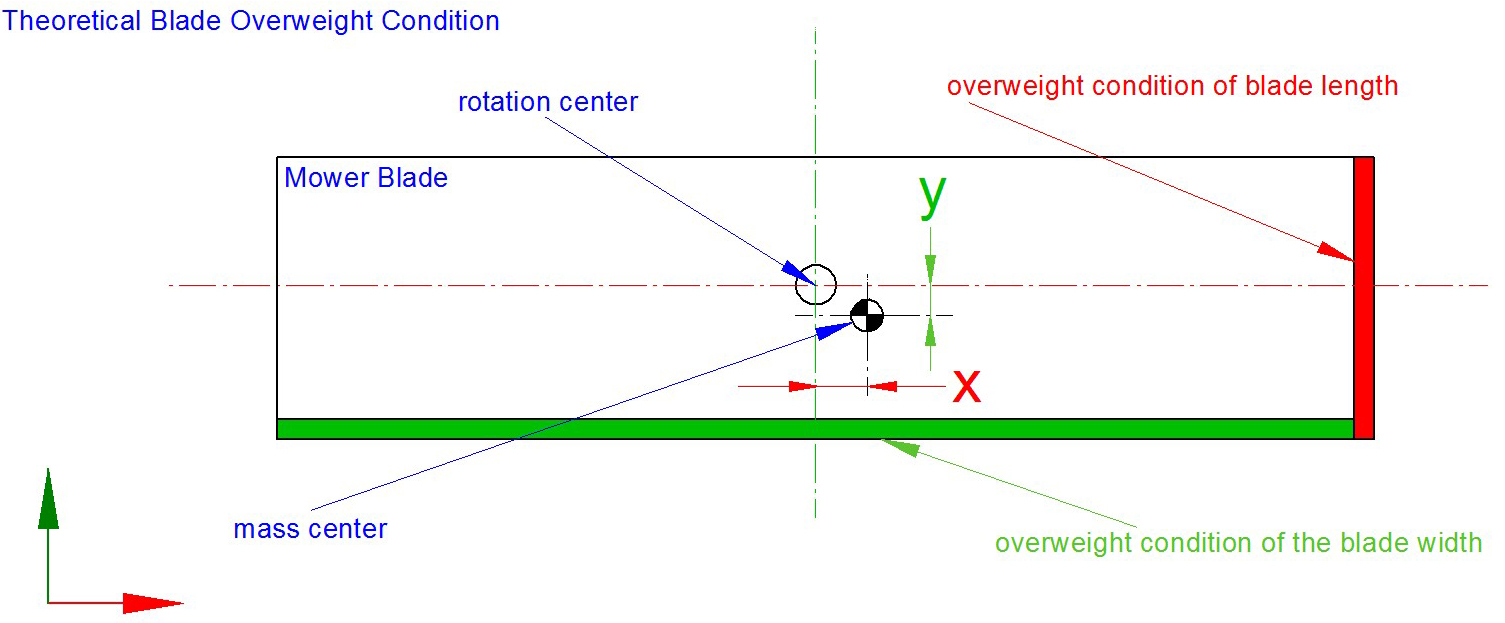
Balancing the blade of your lawn mower is crucial for a smooth cut. It reduces wear on the mower and ensures an even trim. An unbalanced blade can cause vibrations, leading to damage over time. Follow these steps to balance your lawn mower blade properly.
Grinding The Heavier Side
First, identify the heavier side of the blade. You can do this by hanging the blade on a nail or using a blade balancer. The heavier side will tilt down.
Once identified, you need to grind the heavier side. Use a bench grinder or a file. Grind small amounts at a time to prevent over-grinding. Check the balance frequently. Grinding too much can weaken the blade.
Here are the steps to grind the heavier side:
- Secure the blade in a vice.
- Use a grinder to remove material from the heavy side.
- Grind evenly across the edge.
- Avoid overheating the blade.
- Check the balance after each grind.
Rechecking The Balance
After grinding, it’s essential to recheck the balance. Hang the blade again on a nail or place it on a balancer. The blade should stay horizontal. If it tilts, repeat the grinding process.
Repeat these steps until the blade is balanced:
- Grind the heavier side.
- Check the balance.
- Grind more if needed.
Balancing the blade ensures a longer lifespan for your mower. It also gives your lawn a clean, even cut. Regularly check and balance the blade for optimal performance.
| Tool | Purpose |
|---|---|
| Bench Grinder | Grinding the heavy side |
| Blade Balancer | Checking balance |
| File | Manual grinding |
Reattaching The Blade
After balancing your lawn mower blade, it is crucial to reattach it correctly. Proper reattachment ensures safety and optimal performance of your mower. Follow these steps to securely reattach the blade and get your lawn mower ready for use.
Securing The Blade
Start by placing the blade back onto the spindle. Ensure the blade is aligned with the mounting hole. Insert the bolt through the center of the blade. Tighten the bolt with a wrench, turning it clockwise. Make sure the blade is snug and secure. Do not over-tighten as this can damage the blade or spindle.
Reconnecting The Spark Plug
Once the blade is secure, reconnect the spark plug. This step is vital for the mower’s operation. Locate the spark plug wire and firmly push it onto the spark plug. Ensure the connection is tight. This will restore power to your lawn mower, making it ready for action.
Maintenance Tips
Maintaining your lawn mower blades is crucial for a healthy and well-kept lawn. Regular maintenance ensures your mower performs at its best. It also extends the life of your equipment. Here are some essential tips to help you keep your blades in top condition.
Regular Blade Checks
Check your lawn mower blades regularly. Inspect them for any signs of wear, damage, or dullness. Sharp blades cut grass cleanly. This promotes healthier grass growth. Dull blades tear the grass. This can lead to brown tips and make your lawn look unhealthy.
To check the blades, first, disconnect the spark plug. This prevents accidental starts. Then, tilt the mower carefully. Look at the blades for nicks, bends, or cracks. If you see any damage, it’s time to replace or sharpen the blades.
Proper Storage
Store your lawn mower properly to protect the blades. Keep your mower in a dry, sheltered place. This prevents rust and corrosion. Avoid leaving the mower outside in bad weather. Rain and moisture can damage the blades and the mower itself.
Before storing, clean the mower thoroughly. Remove any grass clippings and debris from the blades and underside. This prevents buildup and keeps the blades in good condition. Proper storage extends the life of your lawn mower and its blades.
Frequently Asked Questions
Why Is It Important To Balance Lawn Mower Blades?
Balancing lawn mower blades ensures even cutting and reduces engine strain. It also prevents vibrations that can damage your mower. Regular balancing helps maintain a healthy lawn and prolongs the life of your equipment.
How Often Should I Balance Lawn Mower Blades?
You should balance your lawn mower blades at least once each mowing season. If you notice uneven cutting or vibrations, check and balance the blades more frequently.
What Tools Do I Need To Balance Mower Blades?
To balance lawn mower blades, you need a blade balancer, a wrench, and a sharpening tool. These tools help you ensure the blade is balanced and sharp for effective mowing.
Can I Balance Lawn Mower Blades Myself?
Yes, you can balance lawn mower blades yourself. Follow the manufacturer’s instructions and use the proper tools to ensure safety and accuracy. Regular maintenance can help you keep your lawn looking great.
Conclusion
Balancing your lawn mower blades is crucial. It ensures a smooth, even cut. Regular maintenance can extend the life of your mower. Follow the steps carefully and take your time. Clean blades make a big difference. Balanced blades protect your lawn and your equipment.
Keep your mower in top shape with these easy tips. Happy mowing!
