
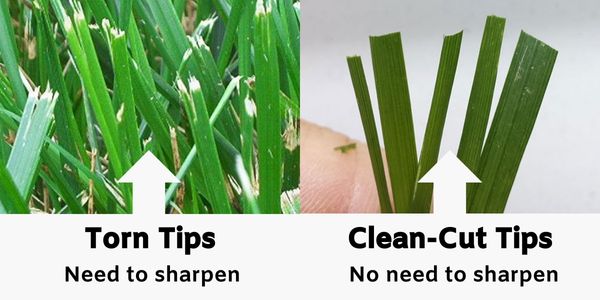
Sharpen your lawn mower blades every 20-25 hours of use. Dull blades tear grass, causing damage and uneven cuts.
Keeping your lawn mower blades sharp is crucial for a healthy lawn. Sharp blades ensure clean cuts, making your lawn look even and well-maintained. Dull blades, on the other hand, can harm your grass, leading to brown tips and increased vulnerability to diseases.
Regularly sharpening your mower blades not only enhances the appearance of your lawn but also extends the life of your mower. This blog will guide you on how often to sharpen your blades, ensuring your lawn stays in top shape. Dive in to learn the best practices for maintaining sharp mower blades and a beautiful lawn.
Importance Of Sharp Mower Blades
The importance of sharp mower blades cannot be overstated. Sharp blades ensure a clean and precise cut, which is vital for the health of your lawn. Dull blades, on the other hand, can tear the grass, causing damage and stress to the plants. This can lead to brown, unhealthy patches and an overall unattractive appearance.
Healthy Lawn Benefits
A sharp mower blade promotes a healthy lawn. Clean cuts from sharp blades allow grass to heal faster. This reduces the chance of disease. Healthy grass is more resistant to pests. It also looks greener and more vibrant.
Improved Mower Performance
Sharp blades improve mower performance. Mowers with sharp blades require less power to cut grass. This means less strain on the mower’s engine. It also results in smoother and faster mowing. You save time and effort.
Signs Your Blades Need Sharpening
Regularly sharpening your lawn mower blades is crucial for maintaining a healthy lawn. Dull blades can cause various problems that affect the appearance and health of your grass. But how can you tell when it’s time to sharpen those blades? Here are some clear signs that your lawn mower blades need sharpening.
Uneven Grass Cut
If you notice uneven patches of grass after mowing, your blades might be dull. Sharp blades cut grass cleanly and evenly. Dull blades struggle to make clean cuts. This results in an uneven lawn. Instead of a smooth surface, you see patches of different heights. This makes your lawn look messy and unkempt.
Torn Grass Tips
Another sign of dull blades is torn grass tips. Sharp blades slice through grass cleanly. Dull blades tear the grass instead. Torn grass tips can turn brown, making your lawn look unhealthy. These tears also make the grass more prone to disease. Check the grass tips after mowing. If they look torn or frayed, it’s time to sharpen your blades.
Factors Affecting Sharpening Frequency
How often you should sharpen your lawn mower blades depends on several factors. These factors impact the wear and tear on the blades. Understanding these elements helps to maintain a healthy lawn and efficient mower.
Lawn Size And Type
The size and type of your lawn play a significant role in determining blade sharpening frequency. A larger lawn requires more mowing, which means the blades will dull faster. If your lawn has many obstacles, like rocks and tree roots, the blades may need sharpening more often.
Consider the following:
- Large lawns: Sharpen blades every 20-25 hours of use.
- Small lawns: Sharpen blades every 30-35 hours of use.
- Obstacle-rich lawns: Inspect and sharpen blades more frequently.
Grass Type And Growth Rate
Different grass types and their growth rates also affect blade sharpness. Some grasses are tougher and cause more wear on the blades. Faster-growing grasses need more frequent mowing, dulling the blades quicker.
| Grass Type | Growth Rate | Sharpening Frequency |
|---|---|---|
| Bermuda Grass | Fast | Every 15-20 hours |
| Zoysia Grass | Medium | Every 20-25 hours |
| Fescue Grass | Slow | Every 25-30 hours |
Monitoring your lawn and its growth rate helps determine the best sharpening schedule. Regular maintenance ensures a clean cut and a healthy lawn.
Recommended Sharpening Schedule
Maintaining sharp lawn mower blades is essential for a healthy lawn. Dull blades can tear grass, causing brown tips and making your lawn look unattractive. A regular sharpening schedule helps keep your mower performing its best. This section covers different mowing schedules and how often you should sharpen your blades.
Weekly Mowing
If you mow your lawn weekly, your blades encounter grass more frequently. Weekly mowing can dull blades faster. For this schedule, sharpen your blades every 1 to 2 months. This keeps them in good condition and ensures a clean cut every time.
Biweekly Mowing
Mowing your lawn every two weeks means less frequent use of your mower. With this schedule, blades stay sharp longer. Sharpen your blades every 2 to 3 months. This is enough to maintain their efficiency and ensure a neat trim for your lawn.
Diy Blade Sharpening Tips
Keeping your lawn mower blades sharp is crucial for a healthy lawn. Sharp blades ensure clean cuts, reducing stress on grass. Dull blades tear grass, causing brown tips and disease. DIY blade sharpening can save you time and money. Follow these simple tips for effective sharpening at home.
Essential Tools
Gather the necessary tools before you start. You’ll need a wrench to remove the blade. A file or a bench grinder will sharpen the blade. Safety gloves and goggles are also essential. A blade balancer ensures even sharpening.
Step-by-step Guide
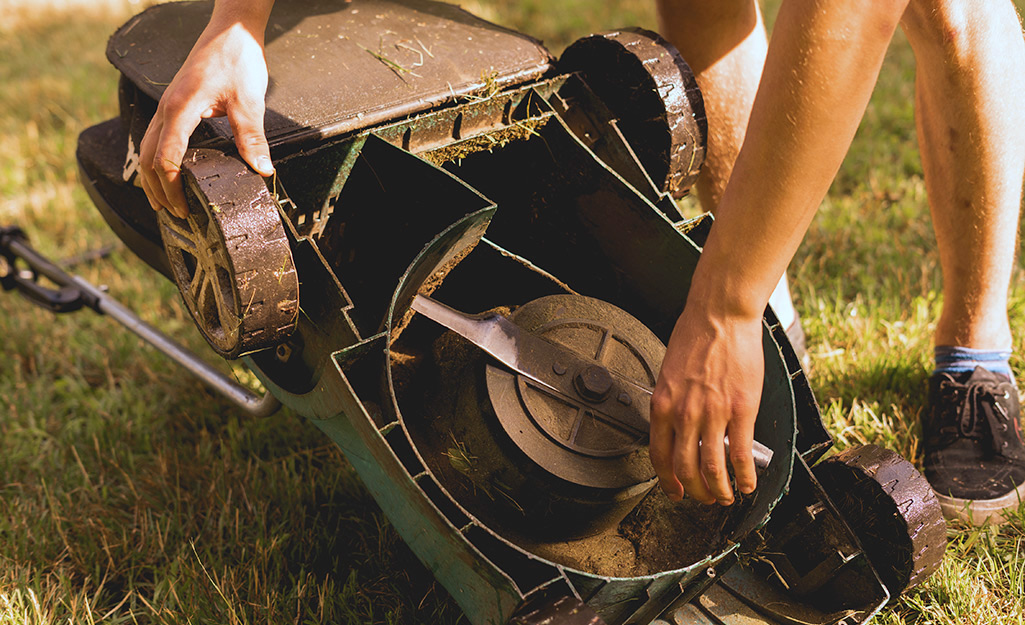
First, disconnect the spark plug to prevent accidents. Tilt the mower on its side, ensuring the air filter faces up. Use a wrench to remove the blade from the mower. Mark the blade’s bottom to reinstall it correctly.
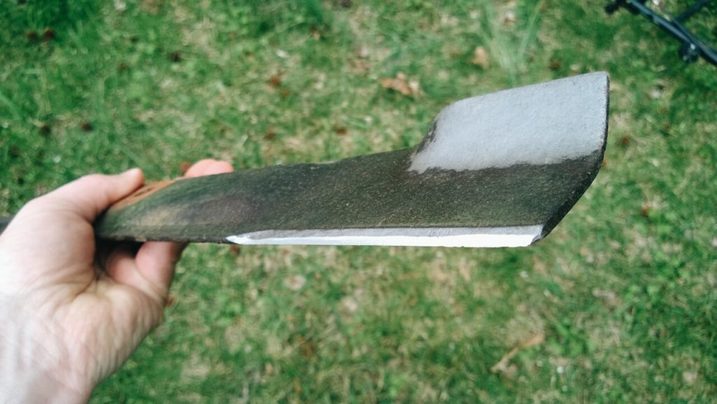
Next, clean the blade with a wire brush to remove grass and debris. Secure the blade in a vise for stability. Use a file or grinder to sharpen the blade, following the original angle. Sharpen each edge evenly. Check the balance by placing the blade on a balancer. Adjust if necessary.
Reattach the blade to the mower, ensuring it’s tight. Reconnect the spark plug. Your lawn mower is now ready for use with a sharp blade.
Professional Blade Sharpening Services
Your lawn mower blades need to be sharp to keep your lawn healthy. Over time, blades get dull and need professional sharpening. Professional blade sharpening services ensure your lawn mower works efficiently. Let’s explore how to find these services and their costs and benefits.
Finding A Service
Finding a professional blade sharpening service is easier than you think. Start by asking friends or neighbors for recommendations. You can also search online for local services. Many hardware stores offer these services. Look for reviews to find the best service provider.
Cost And Benefits
The cost of professional blade sharpening varies. On average, you can expect to pay between $10 and $20 per blade. Some services may offer discounts for multiple blades.
There are many benefits to using a professional service:
- Precision sharpening ensures even cutting.
- Extended blade life saves you money.
- Time-saving as you don’t need to sharpen the blades yourself.
- Improved lawn health because sharp blades cut grass cleanly.
Investing in professional sharpening services can save you time and improve your lawn’s appearance.
Maintaining Blade Sharpness
Maintaining your lawn mower blades is essential for a healthy, attractive lawn. Dull blades tear grass, causing damage and making it more susceptible to disease. Sharp blades ensure a clean cut, promoting healthier grass growth. Here’s how to maintain blade sharpness effectively.
Proper Cleaning
Cleaning your lawn mower blades regularly helps maintain their sharpness. Grass clippings, dirt, and debris can dull the blades over time.
- Remove the blades carefully.
- Use a brush to clean off grass and dirt.
- Rinse with water and dry thoroughly.
Clean blades cut more efficiently and last longer. Always clean after each mowing session.
Storage Tips
Proper storage also plays a significant role in maintaining blade sharpness. Store your lawn mower in a dry place to prevent rust and corrosion.
- Keep the mower in a garage or shed.
- Cover it with a tarp if stored outside.
- Ensure the blades are dry before storing.
These storage tips protect your blades from elements that cause dullness and damage.
Maintaining blade sharpness is simple with regular cleaning and proper storage. Keep your lawn mower blades sharp to ensure a beautiful, healthy lawn.

Safety Precautions
Sharpening your lawn mower blades is essential for a healthy lawn. But, safety should always come first. Proper precautions can prevent accidents and ensure a smooth process.
Handling Blades Safely
Handling lawn mower blades requires care. Always disconnect the spark plug wire before working. This prevents accidental starts. Use a wrench to remove the blade. Keep your hands clear of the sharp edges. Blades can be surprisingly heavy. Support them properly to avoid dropping.
Protective Gear
Wearing the right gear is crucial. Always wear sturdy gloves to protect your hands. They shield against cuts and scrapes. Safety glasses are also a must. They protect your eyes from flying debris. Closed-toe shoes provide foot protection. Avoid loose clothing. It can get caught in the blade.
Frequently Asked Questions
How Often Should You Sharpen Lawn Mower Blades?
Lawn mower blades should be sharpened every 20-25 hours of mowing. Regular sharpening ensures a clean cut and healthy grass.
What Are Signs That Mower Blades Need Sharpening?
Signs include ragged, uneven grass cuts, and the mower leaving streaks of uncut grass. Sharpening helps improve mowing quality.
Can Dull Mower Blades Damage The Lawn?
Yes, dull blades tear the grass, causing stress and making it more susceptible to disease and pests. Sharpening prevents this.
How Do You Sharpen Lawn Mower Blades?
You can use a bench grinder, file, or sharpening stone. Follow the blade’s original angle for best results.
Conclusion
Regularly sharpening your lawn mower blades ensures a healthy lawn. Dull blades tear grass, causing stress and disease. Aim to sharpen blades after every 20-25 hours of mowing. Check for nicks and uneven edges. Replace blades if too worn. Proper maintenance extends the life of your mower.
A sharp blade saves time and effort. Keep your lawn looking its best with regular blade care. Happy mowing!
