

A lawn mower battery usually takes 1 to 12 hours to charge. The exact time depends on the battery type and charger.
Understanding this can save you time and ensure your lawn mower is always ready to go. Knowing how long your lawn mower battery takes to charge is essential for efficient yard maintenance. Different batteries have different charging times, influenced by their capacity and the charger’s power.
Some batteries might be ready in an hour, while others could need a full night’s charge. This knowledge helps you plan your mowing schedule better and avoid unexpected downtimes. In this blog post, we’ll explore the factors affecting charging times, give tips on maintaining your battery, and help you keep your lawn mower running smoothly. Stay tuned to learn more and make your lawn care routine hassle-free.
Battery Types
Understanding the type of battery in your lawn mower is crucial. Different batteries have different charging times. The two most common types are Lead-Acid and Lithium-Ion.
Lead-acid Batteries
Lead-Acid batteries are traditional and widely used. They are heavier and larger. Charging these batteries can take between 6 to 10 hours. Their charging time varies based on the battery’s capacity and age. Frequent maintenance is necessary for optimal performance. Always check the water levels and keep the terminals clean.
Lithium-ion Batteries
Lithium-Ion batteries are newer and more efficient. They are lighter and more compact. Charging these batteries usually takes about 1 to 2 hours. They charge faster and last longer than Lead-Acid batteries. Maintenance is minimal, making them more user-friendly. Ensure to store them in cool, dry places to extend their lifespan.

Charging Time Factors
Understanding the factors that affect how long it takes to charge your lawn mower battery can help you maintain your equipment better. The charging time depends on various elements, which we will discuss below.
Battery Capacity
The capacity of the battery is a crucial factor. Larger batteries usually take longer to charge. Battery capacity is measured in ampere-hours (Ah). A higher Ah means a longer charging time. For instance, a 5 Ah battery will take longer to charge than a 2 Ah battery.
| Battery Capacity (Ah) | Approximate Charging Time (Hours) |
|---|---|
| 2 Ah | 1-2 hours |
| 5 Ah | 3-4 hours |
| 10 Ah | 6-8 hours |
Charger Output
The output of the charger is another significant factor. Chargers with higher output can charge batteries faster. Charger output is measured in amperes (A). For example, a charger with a 2 A output will charge a battery faster than a 1 A charger.
- 1 A Charger: Slower charging time.
- 2 A Charger: Moderate charging time.
- 4 A Charger: Faster charging time.
Matching the right charger with your battery can help you achieve optimal charging times.
Average Charging Times
Understanding the average charging times for lawn mower batteries is crucial. This ensures your mower is always ready for action. Different battery types have different charging requirements. Lead-acid and lithium-ion batteries are the most common. Let’s dive into their specific charging times.
Lead-acid Charging Time
Lead-acid batteries are traditional. They usually take longer to charge. On average, expect 8 to 12 hours for a full charge. This time can vary. It depends on the charger’s power output and the battery’s capacity. Frequent charging can shorten the battery’s lifespan. Always monitor the charging process. Avoid overcharging to extend battery life.
Lithium-ion Charging Time
Lithium-ion batteries are more modern. They charge faster than lead-acid batteries. Typically, a full charge takes 1 to 3 hours. This quick charging time increases convenience. It allows you to get back to mowing sooner. Lithium-ion batteries are also lighter. They have a longer lifespan. Always use the correct charger. This ensures safety and efficiency.
Fast Charging Options
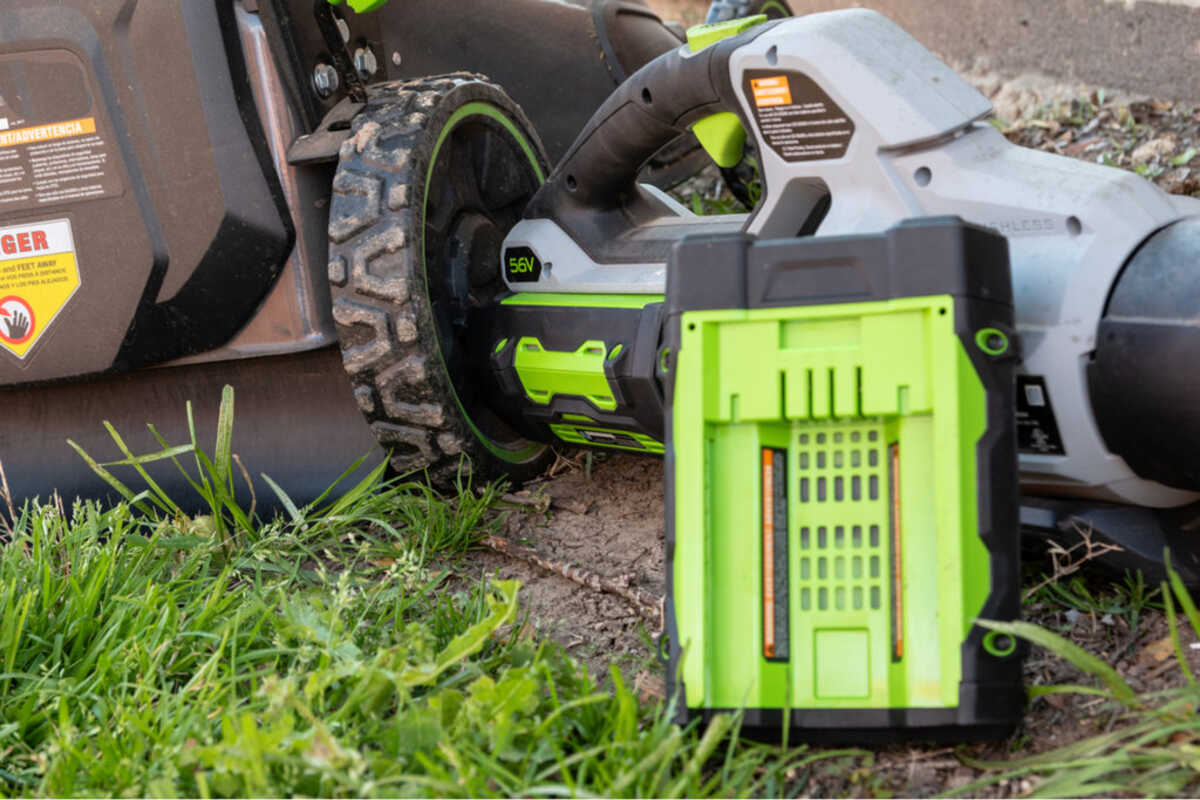
Fast charging options for lawn mower batteries have become increasingly popular. They help save time and ensure your mower is always ready to go. In this section, we will explore two main fast charging options: rapid chargers and battery swap systems.
Rapid Chargers
Rapid chargers provide a quick way to recharge your lawn mower battery. They use advanced technology to reduce charging time significantly. This means you can get back to mowing sooner. Rapid chargers are compatible with most modern lawn mower batteries. Always check your battery’s specifications to ensure compatibility. Using a rapid charger can cut charging time in half. This makes it a convenient option for busy homeowners.
Battery Swap Systems
Battery swap systems offer another fast charging solution. They allow you to switch out a depleted battery with a fully charged one. This system is ideal for larger lawns or commercial use. It eliminates downtime, as you don’t have to wait for a battery to charge. Many lawn mower brands now offer battery swap systems. They come with multiple batteries and a charging station. This ensures you always have a charged battery on hand. Battery swap systems are easy to use and maintain. They provide a reliable and efficient way to keep your lawn mower running.
Maintaining Battery Health
Charging a lawn mower battery typically takes between one to two hours. Always follow the manufacturer’s instructions for best results. Regular maintenance ensures longer battery life.
Maintaining the health of your lawn mower battery is essential for its longevity. A well-maintained battery ensures your lawn mower runs smoothly and efficiently. Let’s delve into some crucial aspects of battery care.Proper Charging Practices
Proper charging practices can extend the life of your battery. Always use the charger that comes with your lawn mower. Different batteries require different chargers. Avoid overcharging by removing the battery once it’s fully charged. Overcharging can damage the battery cells. Charge your battery in a cool, dry place. Extreme temperatures can affect the charging process. Follow the manufacturer’s guidelines for charging times.Storage Tips
Proper storage is key to maintaining battery health. Store your battery in a cool, dry place. Avoid exposing the battery to extreme temperatures. Before storing, ensure the battery is fully charged. A fully charged battery maintains its health better in storage. Disconnect the battery from the lawn mower if you won’t use it for a while. This prevents any possible drain on the battery. Regularly check the battery’s charge level during storage and recharge if needed. “`Signs Of A Fully Charged Battery
Knowing the signs of a fully charged lawn mower battery can save you time and effort. It helps to ensure your mower is always ready to go. Recognizing these signs will also prevent overcharging, which can damage the battery.
Indicator Lights
Many lawn mower chargers have indicator lights. These lights show the battery’s charging status. A red light usually means the battery is charging. A green light often means the battery is fully charged. Always refer to your mower’s manual for exact meanings.
Voltage Readings
Using a multimeter can help you check the battery’s voltage. A fully charged battery will show a specific voltage. For example, a 12-volt battery should read around 12.6 volts when fully charged. Check your mower’s manual for the correct voltage.
Extending Battery Life
Extending the life of your lawn mower battery is essential. It saves money and time. A well-maintained battery performs better and lasts longer. Let’s look at some tips.
Regular Maintenance
Regular maintenance is key to a long-lasting battery. Clean the battery terminals regularly. Remove any dirt or corrosion. Check the connections for tightness. Loose connections can cause issues. Inspect the battery case for cracks or leaks. Replace if you see any damage. Keep the battery fully charged during off-seasons. This helps maintain its health. Store the battery in a cool, dry place.
Avoiding Overcharging
Overcharging can harm your battery. Use a charger with an automatic shut-off feature. This prevents overcharging. Monitor the charging process. Unplug the charger once the battery is full. Avoid leaving the battery on the charger for too long. Overcharging can reduce its lifespan. Follow the manufacturer’s charging guidelines. This ensures optimal battery health.
Choosing The Right Charger
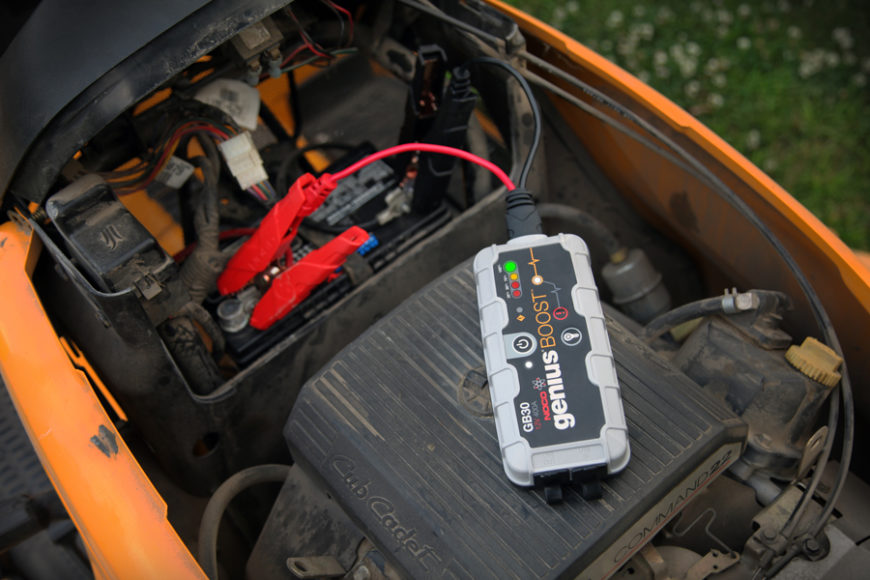
Choosing the right charger for your lawn mower battery is crucial. It affects both the charging time and the battery’s lifespan. This section will guide you on selecting the best charger for your needs.
Compatibility
Ensure the charger matches your battery type. Different batteries require specific chargers. Using the wrong charger can damage the battery. Check the voltage and amperage specifications. They must align with your battery’s requirements.
Charger Features
Look for chargers with smart technology. These chargers adjust the charging rate automatically. They prevent overcharging and extend battery life. Some chargers include LED indicators. These lights show the charging status at a glance.
Consider chargers with safety features. Overload protection and short circuit prevention are essential. They ensure safe and reliable charging every time.
Frequently Asked Questions
How Long Does It Take To Charge A Dead Lawn Mower Battery?
It typically takes 4-6 hours to fully charge a dead lawn mower battery. Charging times can vary by battery type.
How Do I Know When My Lawn Mower Battery Is Fully Charged?
Check the battery charger indicator light. It usually turns green or shows “fully charged” when done.
Is It Safe To Leave A Lawn Mower Battery Charging Overnight?
Leaving a lawn mower battery charging overnight isn’t safe. Overcharging can damage the battery and pose fire risks. Check manufacturer guidelines for charging times.
What Kills The Battery On A Lawn Mower?
Frequent use, extreme temperatures, leaving lights on, and poor maintenance can drain a lawn mower battery quickly.
Conclusion
Charging a lawn mower battery varies by type and model. Typically, it takes about one to three hours. Always check your battery’s manual for specific details. Proper maintenance ensures longer battery life. Regularly clean and store the battery in a dry place.
Avoid overcharging to prevent damage. Consistent charging habits save you time and money. Now, you’re ready to keep your lawn mower battery in top shape. Enjoy a well-maintained lawn with ease!
