
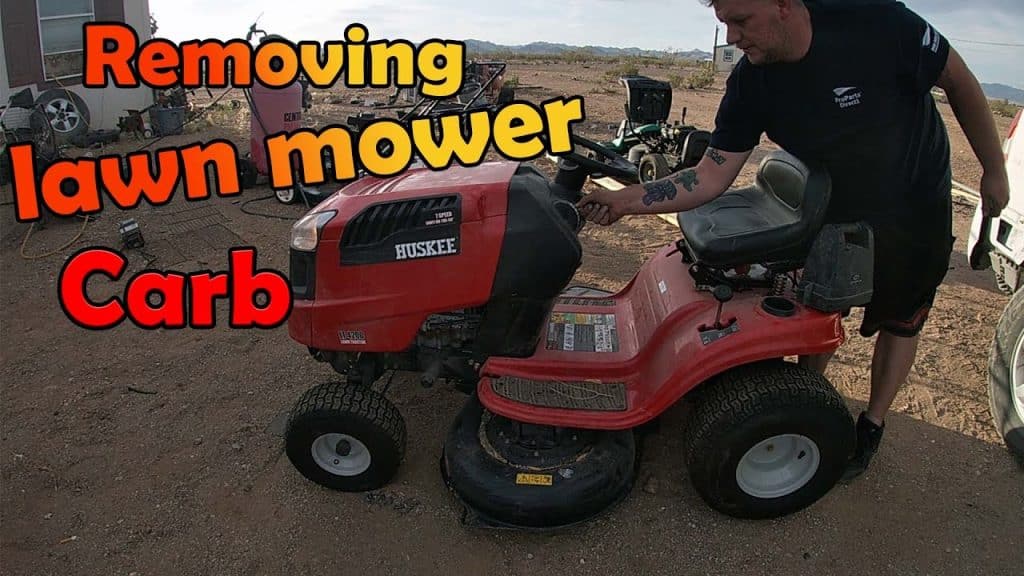
The carburetor on a riding lawn mower is usually near the engine. It mixes air and fuel for the engine.
This essential part can be tricky to locate for beginners. Understanding where the carburetor is can save time and effort. It’s crucial for maintenance and troubleshooting. In this guide, we’ll help you find the carburetor on your riding lawn mower.
This knowledge can enhance your mower’s performance and longevity. Let’s dive in and make your lawn care routine smoother.
Basics Of A Carburetor
A carburetor is a vital component in many small engines, including riding lawn mowers. Understanding its basics can help maintain your mower better. In this section, we’ll explore what a carburetor is and its function in a lawn mower.
What Is A Carburetor?
A carburetor is a device that mixes air and fuel for internal combustion engines. It ensures the right amount of air and fuel enters the engine for efficient combustion. Without it, the engine may not run smoothly.
The carburetor has several parts, including the throttle, choke, and float chamber. Each part plays a role in managing air and fuel flow. These parts work together to keep the engine running smoothly.
Function In A Lawn Mower
In a riding lawn mower, the carburetor controls the engine’s fuel and air mixture. This is crucial for the mower’s performance. The carburetor adjusts the mixture based on the engine’s needs, whether idling or cutting grass.
When you start the mower, the choke helps provide a richer fuel mixture. This makes it easier to start a cold engine. As the engine warms up, the carburetor adjusts the mixture for optimal performance. This balance ensures the engine runs efficiently.
Here are some key functions of a carburetor in a lawn mower:
- Air-Fuel Mixture: Balances the ratio of air and fuel.
- Throttle Control: Adjusts engine speed.
- Choke Function: Helps start a cold engine.
- Float Chamber: Regulates fuel supply to the carburetor.
Understanding these basics can help you identify issues with your mower’s carburetor. Regular maintenance can keep your mower running smoothly.
Common Locations
Understanding the common locations of the carburetor on a riding lawn mower can save you time and effort. The carburetor is a crucial component, mixing air and fuel for the engine. Its location varies depending on the mower model.
Under The Hood
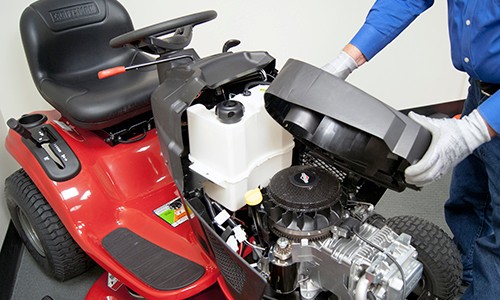
Many riding lawn mowers have the carburetor under the hood. Open the hood to access it. Look for the air filter. The carburetor is often connected to it. It may have a metal casing or housing.
Some models have easy-access hoods. Others may need a few screws removed. Always check the user manual for specific instructions. The hood area is a common spot due to easy access for maintenance.
Near The Engine
Another common location is near the engine. The carburetor sits close to the fuel tank. This spot helps in efficient fuel delivery. Look for a small, cylindrical part attached to the engine.
It’s usually near the fuel line and throttle linkage. If you see these parts, you are close. Ensure the engine is off before checking. Safety first!
For some mowers, the carburetor is located at the side of the engine. This placement can vary by brand and model. Always refer to the mower’s diagram in the manual.
Tools Needed
When locating the carburetor on a riding lawn mower, having the right tools is crucial. Proper tools make the job easier and safer. Before you start, gather all necessary tools and equipment.
Basic Hand Tools
First, you need basic hand tools. A screwdriver set is essential. Flathead and Phillips screwdrivers are common. They help remove screws and bolts. Pliers are also handy. They help grip and turn small parts. Wrenches are necessary too. Both adjustable and fixed wrenches work well. They help loosen and tighten nuts and bolts.
A socket set is beneficial. It includes various socket sizes. These fit onto nuts and bolts perfectly. A ratchet handle makes turning easier. Needle-nose pliers are useful. They help reach tight spots. Allen wrenches or hex keys may be needed. They fit special types of bolts.
Safety Equipment
Safety equipment is a must. Gloves protect your hands. Choose durable, thick gloves. They prevent cuts and scrapes. Safety goggles protect your eyes. Small parts can fly around. Goggles keep your eyes safe. Wear a dust mask. It prevents inhaling dust and debris. Ear protection is important. Riding lawn mowers can be loud. Ear plugs or muffs reduce noise exposure.
Sturdy footwear is essential. Boots or closed-toe shoes work best. They protect your feet from heavy objects. Wear long sleeves and pants. They protect your skin from sharp edges. Always work in a well-ventilated area. Fumes from the engine can be harmful. Ensure good lighting. You need to see what you are doing.
Step-by-step Guide
When it comes to maintaining your riding lawn mower, knowing the location of the carburetor is crucial. It helps in cleaning, repairing, or replacing it. This step-by-step guide will walk you through preparing your mower and accessing the carburetor.
Preparing The Mower
Before you start, ensure safety. Follow these steps:
- Turn off the engine: Ensure the mower is completely off.
- Disconnect the spark plug: This prevents accidental starts.
- Wear safety gloves: Protect your hands from sharp parts.
Now, your mower is ready for the next step.
Accessing The Carburetor
Follow these steps to find and access the carburetor:
- Locate the air filter: The air filter is usually on the side of the engine.
- Remove the air filter cover: Unscrew or unclip the cover to access the air filter.
- Take out the air filter: Carefully remove the air filter to reveal the carburetor.
- Identify the carburetor: The carburetor is a small, metal part with a bowl shape.
With these steps, you can easily access the carburetor for maintenance.
Troubleshooting Tips
Troubleshooting your riding lawn mower can be challenging. Knowing where the carburetor is can help you solve common issues. This guide offers troubleshooting tips to keep your mower running smoothly. Understanding these tips can save you time and money.
Common Issues
A common issue is the engine not starting. This often happens due to a clogged carburetor. Dirt and debris can block the carburetor, preventing fuel from entering the engine.
Another issue is the engine running rough. This can be due to a faulty carburetor. A carburetor with worn-out parts can affect the engine’s performance.
Fuel leaks are also a problem. This might be because of a damaged carburetor gasket. A cracked gasket can cause fuel to leak, creating a fire hazard.
Maintenance Tips
Regular maintenance can prevent many carburetor issues. Clean the carburetor regularly to remove dirt and debris. This can improve fuel flow and engine performance.
Check the carburetor parts for wear and tear. Replace any damaged parts immediately. This can extend the life of your carburetor and improve the mower’s efficiency.
Inspect the carburetor gasket for cracks. Replace the gasket if you find any damage. This can prevent fuel leaks and ensure safe operation.
Use high-quality fuel to avoid clogging the carburetor. Low-quality fuel can leave deposits in the carburetor, affecting its function.

When To Seek Professional Help
Facing difficulty locating the carburetor on your riding lawn mower? Seek professional help if you can’t find it. Experts ensure safe and efficient repairs.
Sometimes, issues with a riding lawn mower’s carburetor require expert attention. Knowing when to call a professional can save you time and money. Not every problem needs a mechanic, but some do.Signs You Need A Pro
Certain signs suggest you need professional help. If the engine won’t start, it could be a carburetor issue. Difficulty starting the mower often points to a clogged or malfunctioning carburetor. Another sign is poor engine performance. If the mower sputters or runs unevenly, it may need a professional’s touch. Unusual noises can also indicate a deeper problem. Visible fuel leaks around the carburetor are serious. Fuel leaks are dangerous and need immediate attention. A professional will fix the leak safely and correctly. If you’ve tried basic fixes without success, it’s time for expert help. A professional can diagnose and repair the problem accurately.Choosing A Service
When choosing a service, look for experienced professionals. Read reviews and ask for recommendations. Experience matters when dealing with carburetors. Check for certifications. Certified technicians have proven skills and knowledge. They follow industry standards and best practices. Compare prices, but don’t choose based on cost alone. Quality service might cost more but ensures better results. Ask about warranties on repairs. A good service will offer guarantees on their work. Consider local shops. Local services may offer quicker turnaround times. Plus, supporting local businesses strengthens your community. Before choosing, ask questions. Understand the repair process and what it involves. Clear communication helps avoid misunderstandings. By knowing when to seek professional help and how to choose a service, you ensure your riding lawn mower runs smoothly. “`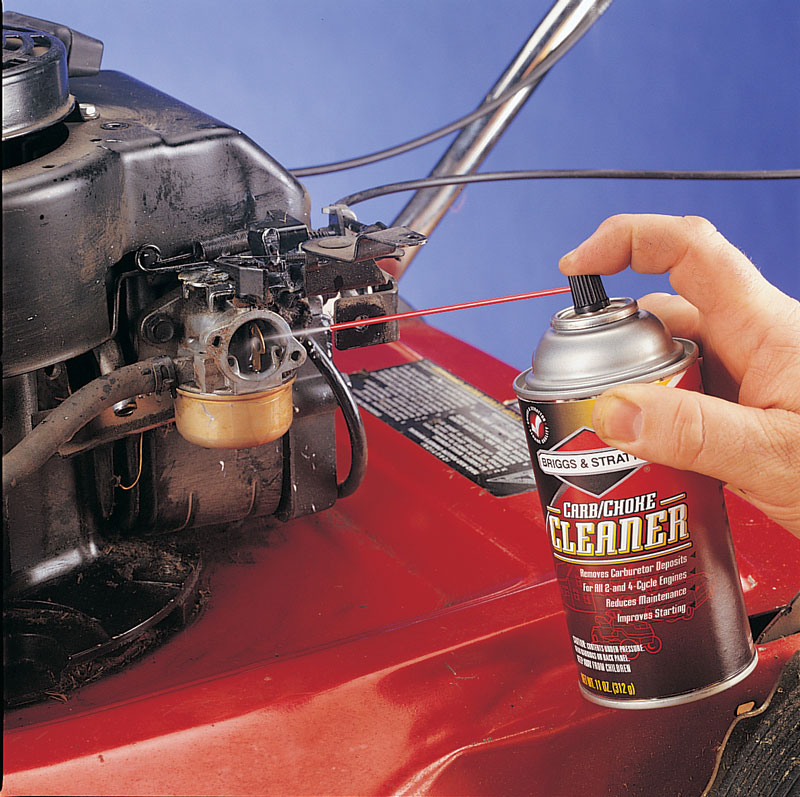
Frequently Asked Questions
Where Is The Carburetor Located On A Riding Lawn Mower?
The carburetor is typically located on the side of the engine. It’s near the air filter and connected to the fuel line.
How Do I Identify The Carburetor On My Mower?
Look for a metal part with a bowl-like shape. It’s usually close to the air intake and has fuel lines attached.
Can I Access The Carburetor Easily?
Yes, the carburetor is generally easy to access. Remove the air filter cover for a clearer view and easier access.
What Tools Do I Need To Check The Carburetor?
You typically need basic tools like screwdrivers and pliers. These help remove the air filter cover and any securing bolts.
Conclusion
Locating the carburetor on a riding lawn mower is straightforward. Remember, it sits near the engine. Regular maintenance ensures smooth operation. Clean the carburetor to avoid engine issues. Check for clogs and dirt. Use a carburetor cleaner spray. Regular checks improve mower performance.
Follow the user manual for guidance. Always ensure safety when working. Proper care extends the mower’s life. So, keep your carburetor clean and your lawn looking great. Happy mowing!
