
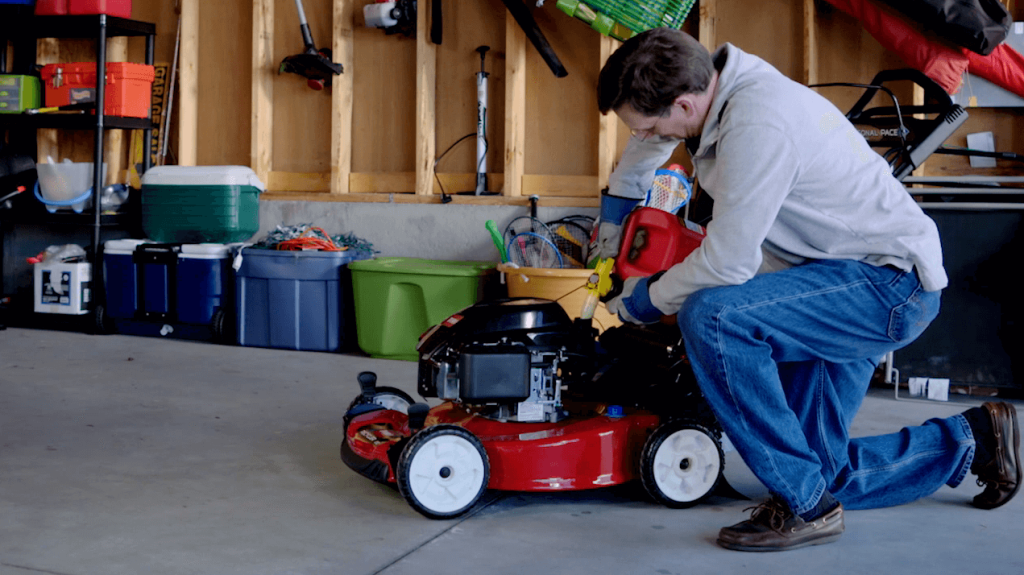
Using the right gas for your lawn mower is essential. It ensures smooth operation and longer lifespan.
Choosing the correct fuel can be confusing. There are various options, and using the wrong type can harm your mower. In this blog post, we’ll explore what gas is best for your lawn mower. We will cover the types of gas available and why the right choice matters.
By the end, you’ll know exactly what gas to use. This knowledge will help keep your lawn mower running efficiently. So, let’s dive in and discover the best fuel for your mower.
Choosing The Right Gas
Select the correct gas for your lawn mower to ensure optimal performance. Most models require regular unleaded gasoline with an octane rating of 87 or higher.
Choosing the right gas for your lawn mower is essential. It can affect the performance and longevity of your machine. This section will guide you through the types of gasoline and the correct octane levels to use.Types Of Gasoline
There are different types of gasoline available. Each type has specific properties. Here’s a brief overview:- Regular Unleaded Gasoline: This is the most common type. It works well for most lawn mowers.
- Ethanol-Blended Gasoline: Contains a mix of gasoline and ethanol. Be cautious with this type. Ethanol can cause damage over time.
- Premium Unleaded Gasoline: Higher quality and more expensive. Not usually necessary for lawn mowers.
Octane Levels
The octane level of gasoline is crucial. It measures the fuel’s ability to resist knocking.| Octane Level | Usage |
|---|---|
| 87 Octane (Regular): | Suitable for most lawn mowers. |
| 89 Octane (Mid-Grade): | Occasionally recommended for some high-performance mowers. |
| 91+ Octane (Premium): | Rarely necessary for lawn mowers. |
Ethanol Content In Gasoline
Gasoline for your lawn mower might contain ethanol. Ethanol is a type of alcohol. It is often added to gasoline to reduce emissions. This can affect how your lawn mower engine runs. Understanding the ethanol content in gasoline is important.
Impact On Engines
Ethanol in gasoline can impact small engines. Lawn mowers have small engines. High levels of ethanol can cause problems. It can attract moisture. This moisture can lead to corrosion. Corrosion can damage engine parts. Ethanol can also cause fuel to break down faster. This can lead to clogs in the fuel system.
Using gasoline with the right ethanol content can help. It ensures your lawn mower engine runs smoothly. It can also extend the life of your engine.
Recommended Ethanol Levels
The recommended ethanol level for most lawn mowers is up to 10% ethanol (E10). This is a common blend available at most gas stations. Using gasoline with more than 10% ethanol can harm your lawn mower. It can void the warranty as well. Always check your lawn mower’s manual for specific recommendations.
Consider using ethanol-free gasoline if possible. It is often labeled as recreational or marine fuel. This type of gasoline is ideal for small engines. It reduces the risk of damage and increases performance.
| Type of Gasoline | Ethanol Content | Recommended Use |
|---|---|---|
| Regular Gasoline | Up to 10% | Safe for lawn mowers |
| Ethanol-Free Gasoline | 0% | Ideal for small engines |
| Gasoline with More Than 10% Ethanol | Over 10% | Not recommended |
By paying attention to the ethanol content, you ensure optimal performance. This simple step can keep your lawn mower running efficiently.
Seasonal Considerations
Choosing the right gasoline for your lawn mower can be crucial, especially when considering seasonal changes. Different seasons can affect the performance and longevity of your lawn mower’s engine. Here are some key points to consider for both summer and winter gasoline, as well as tips for proper storage.
Summer Vs Winter Gasoline
Gasoline formulations differ between summer and winter due to temperature changes. During the summer, gasoline needs to be more resistant to evaporation.
- Summer Gasoline: Contains fewer volatile compounds. This reduces evaporation and improves engine performance in hot weather.
- Winter Gasoline: Contains more volatile compounds. This ensures easy starting and smooth operation in cold weather.
Using the correct seasonal gasoline helps maintain your lawn mower’s efficiency. Always check your local gas station for seasonal blends.
Storage Tips
Proper storage of gasoline is essential to keep it fresh and effective. Follow these tips to ensure your gasoline remains in good condition:
- Store gasoline in approved containers. This prevents leaks and reduces the risk of fire.
- Keep containers tightly sealed. This minimizes evaporation and contamination.
- Store in a cool, dry place. Avoid direct sunlight and extreme temperatures.
- Add fuel stabilizer if storing for more than 30 days. This extends the life of the gasoline.
- Rotate your stock. Use older gasoline first to ensure none goes stale.
Proper storage practices can significantly extend the life of your gasoline and protect your lawn mower’s engine.
Using Additives
Keeping your lawn mower in top shape is essential for a well-maintained yard. One way to enhance the performance of your lawn mower’s gas is by using additives. These can improve efficiency, longevity, and overall engine health.
Types Of Additives
There are several types of additives you can use in your lawn mower. Each serves a different purpose and helps in maintaining the engine.
- Fuel Stabilizers: Prevents gas from degrading over time.
- Fuel System Cleaners: Cleans the fuel system and removes deposits.
- Octane Boosters: Increases the octane rating of the fuel.
- Anti-Gel Additives: Prevents fuel from gelling in cold temperatures.
Benefits For Lawn Mowers
Using additives offers numerous benefits for your lawn mower. Here’s how:
- Improved Engine Performance: Additives help keep the engine clean and efficient.
- Longer Engine Life: Reduces wear and tear on engine parts.
- Better Fuel Efficiency: Keeps the fuel system clean, ensuring optimal combustion.
- Prevents Corrosion: Some additives protect metal parts from rust and corrosion.
Using the right gas and additives in your lawn mower can make a significant difference. It ensures your equipment runs smoothly and lasts longer.
Signs Of Poor Gasoline
Using the right gas in your lawn mower is crucial for its efficiency. Poor gasoline can lead to various problems, impacting your mower’s performance. Recognizing the signs of poor gasoline can save you time and money.
Engine Performance Issues
Your lawn mower’s engine might start to perform poorly. Here are some common signs:
- Hard Starting: The engine takes longer to start or doesn’t start at all.
- Stalling: The engine suddenly stops running while mowing.
- Power Loss: The engine runs but doesn’t provide enough power.
If you notice any of these issues, check the gasoline quality first.
Fuel Deterioration
Poor gasoline can deteriorate over time. This often leads to:
- Sludge Formation: Old gas forms sludge, clogging the fuel system.
- Evaporation: Gasoline loses its effectiveness as it evaporates.
- Water Contamination: Moisture can get into the gas, causing problems.
Using fresh, high-quality gasoline can prevent these issues. Always store gasoline in a cool, dry place.

Proper Storage Of Gasoline
Store gasoline in a cool, dry place away from sunlight. Use a proper container to prevent leaks and spills. Ensure the lawn mower uses fresh, clean gas for optimal performance.
Proper storage of gasoline ensures your lawn mower runs smoothly. It also keeps your equipment safe. Storing gasoline the right way prevents accidents and keeps the fuel fresh. Follow these guidelines for safe gasoline storage.Storage Containers
Using the right container is crucial. Always use containers designed for gasoline storage. These containers should be approved and labeled for gasoline use. They come with features that prevent spills and leaks.| Feature | Description |
|---|---|
| Material | High-density polyethylene (HDPE) |
| Color | Red for gasoline |
| Label | Clearly marked as gasoline |
| Spout | Child-resistant and spill-proof |
Safety Precautions
Take safety precautions seriously. Store gasoline away from children and pets. Always keep it in a cool, dry place. Ensure the area is well-ventilated. Avoid storing gasoline near heat sources or open flames.- Keep gasoline containers tightly closed.
- Never store gasoline in your home.
- Check containers regularly for leaks or damage.
- Dispose of old or contaminated gasoline properly.
Maintaining Your Lawn Mower
Proper maintenance keeps your lawn mower running smoothly. Regular checks and cleaning extend its life. Neglecting maintenance can lead to costly repairs. Consistent care is essential for optimal performance. Here’s how to maintain your lawn mower effectively.
Regular Maintenance Tips
Check the oil level before each use. Replace the oil as needed. Clean or replace the air filter regularly. Inspect the spark plug and replace it if dirty. Sharpen the mower blades for a clean cut. Tighten any loose bolts or screws.
Fuel System Cleaning
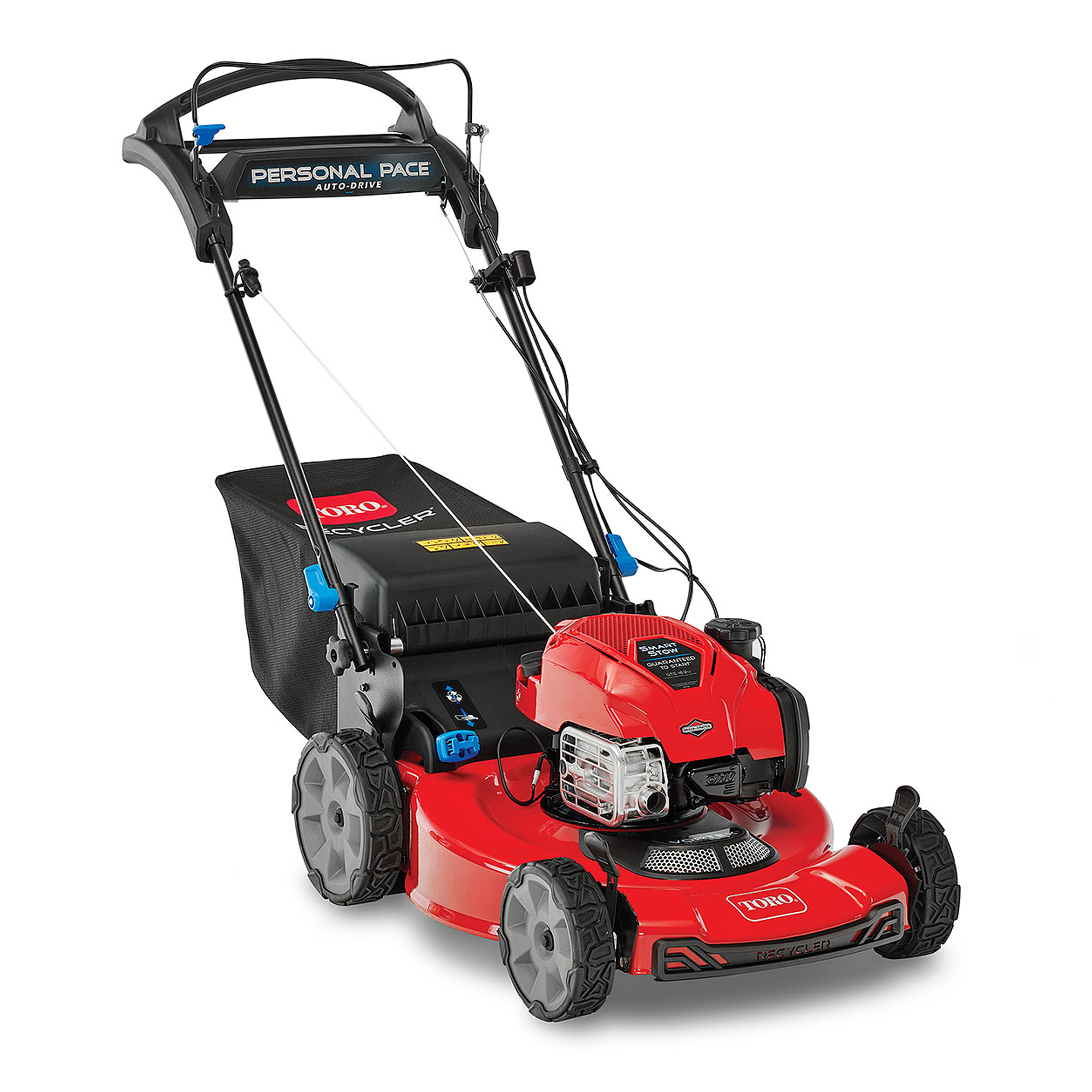
Use fresh, clean gasoline for your mower. Avoid fuel with more than 10% ethanol. Ethanol can cause damage over time. Empty the fuel tank before storing the mower for winter. Clean the fuel filter to prevent clogs. Consider using a fuel stabilizer to keep gas fresh. This helps prevent carburetor issues.
Expert Recommendations
Choosing the right gas for your lawn mower is crucial. Using the wrong fuel can damage the engine. To help you make the best choice, let’s look at some expert recommendations. Read on to discover what the pros have to say.
Manufacturer Guidelines
Manufacturer guidelines are your first stop. Each lawn mower comes with a user manual. This manual provides specific fuel recommendations. Always follow these guidelines for the best performance.
Most manufacturers recommend using unleaded gasoline. The octane rating should be at least 87. Avoid using gasoline with more than 10% ethanol. High ethanol content can harm small engines.
Here is a quick reference table:
| Fuel Type | Recommendation |
|---|---|
| Unleaded Gasoline | Minimum 87 Octane |
| Gasoline with Ethanol | Maximum 10% Ethanol |
Professional Tips
Professionals have additional tips for you. They suggest using fresh gasoline. Old gasoline can cause engine problems. Store gasoline in a sealed container. This prevents contamination.
Here are some professional tips:
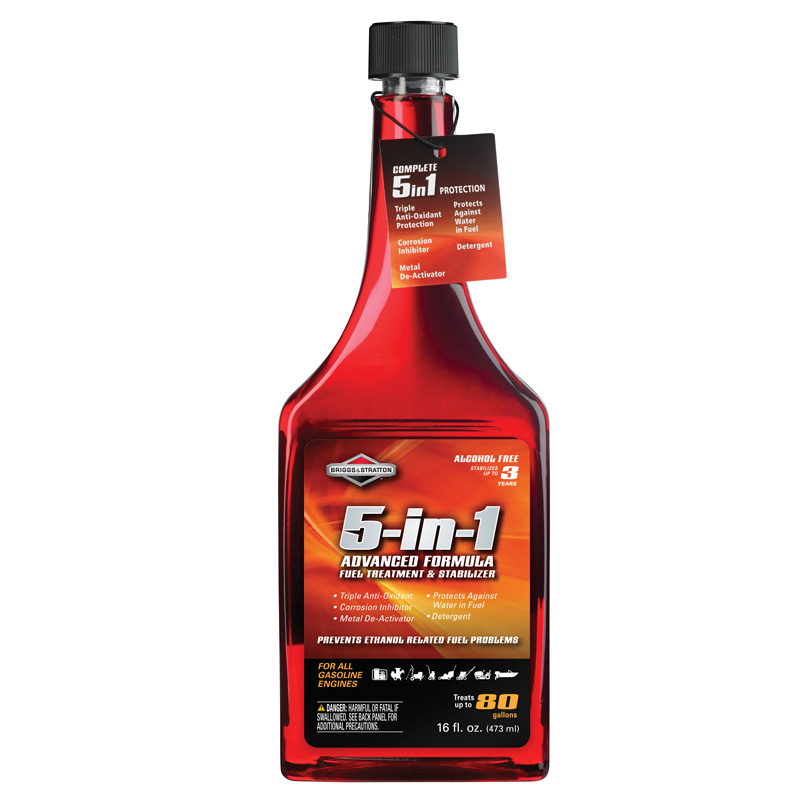
- Use gas stabilizers to extend fuel life.
- Never use diesel or E85 fuel.
- Check your gas before each use.
Follow these tips for a well-running mower. Your lawn will thank you!
Frequently Asked Questions
What Type Of Gas Does A Lawn Mower Use?
Most lawn mowers use unleaded gasoline with an octane rating of 87 or higher. Always check your mower’s manual.
Can I Use Ethanol Gas In My Lawn Mower?
Yes, but use gasoline with no more than 10% ethanol (E10). Higher ethanol content can damage the engine.
Is Premium Gas Better For My Lawn Mower?
No, using premium gas in a lawn mower is unnecessary. Regular unleaded gasoline with an 87 octane rating is sufficient.
How Do I Know The Right Fuel For My Lawn Mower?
Check the owner’s manual for fuel recommendations. It provides specific information on the type of gas to use.
Conclusion
Choosing the right gas for your lawn mower is crucial. It ensures better performance and longevity. Always check your mower’s manual for fuel type recommendations. Use fresh, clean gasoline without ethanol for best results. Regular maintenance and proper fuel can keep your mower running smoothly.
Avoid old or contaminated gas to prevent engine issues. By following these tips, your lawn mower will work efficiently. Happy mowing!
