
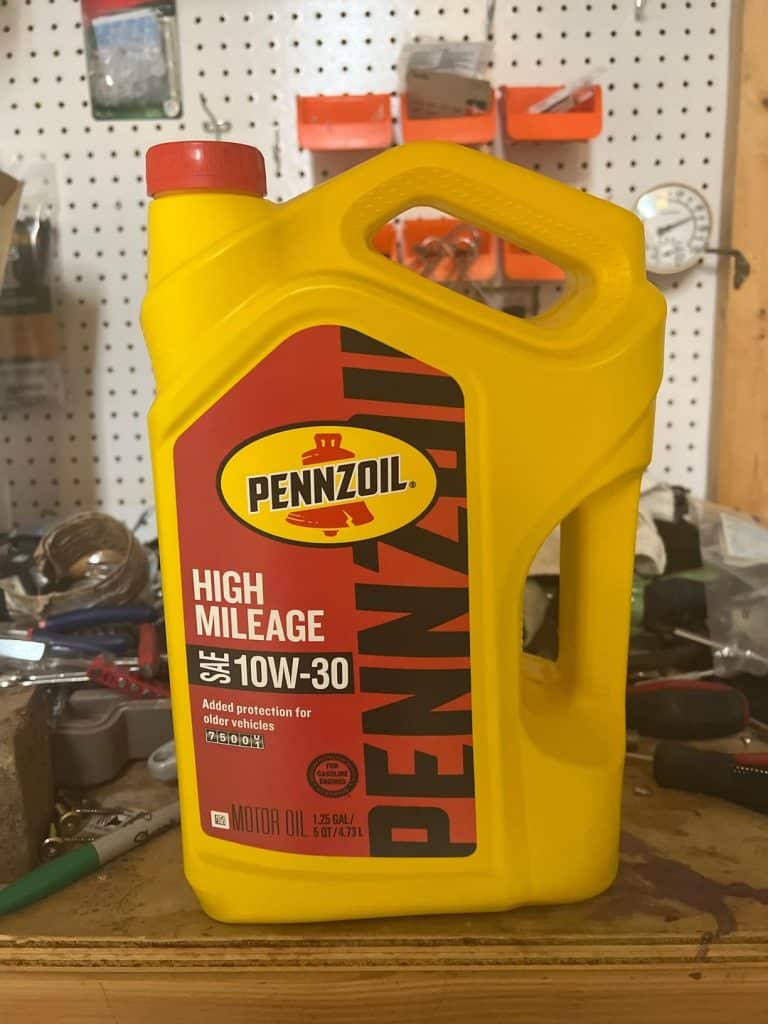
Choosing the right oil for your lawn mower is crucial. It affects your mower’s performance and lifespan.
So, what oil do you put in your lawn mower? Lawn mower engines need specific types of oil to function well. Using the wrong oil can damage the engine and shorten its life. Different types of mowers may require different oils.
It’s essential to know which oil suits your machine. This guide will help you understand the types of oils available. We will also discuss how to choose the best one for your mower. Read on to keep your lawn mower running smoothly.
Choosing The Right Oil
Choosing the right oil for your lawn mower is essential. It keeps your mower running smoothly and extends its lifespan. Selecting the proper oil can be confusing with so many options available. This section will help you make an informed decision.
Factors To Consider
Several factors affect the choice of oil for your lawn mower. First, check the manufacturer’s recommendations. They usually suggest the best oil type for your specific model. Second, consider the climate in your area. Temperature influences oil performance. Lastly, think about the age and condition of your mower. Older engines may require different oil types.
Types Of Oil
There are various types of oil suitable for lawn mowers. SAE 30 is common for warm temperatures. It’s suitable for small engines. 10W-30 offers better performance in varying temperatures. It’s also popular for four-stroke engines. Synthetic oils provide enhanced protection. They work well in extreme conditions. Two-stroke engines require a specific mix of oil and gasoline. Always use the right mix ratio.
Synthetic Vs. Conventional Oil
Choosing the right oil for your lawn mower is crucial. The decision often boils down to synthetic vs. conventional oil. Each type has its own set of advantages and disadvantages. Understanding these can help you make the best choice for your mower.
Pros And Cons
Both synthetic and conventional oils have their own pros and cons:
| Oil Type | Pros | Cons |
|---|---|---|
| Synthetic Oil |
|
|
| Conventional Oil |
|
|
Cost Comparison
Cost is often a key factor in deciding between synthetic and conventional oil:
- Synthetic Oil: Generally more expensive. Prices range from $7 to $12 per quart.
- Conventional Oil: More affordable. Prices range from $3 to $6 per quart.
While synthetic oil costs more upfront, it may save you money over time. Synthetic oil lasts longer between changes. This means fewer oil changes. Conventional oil is cheaper but requires more frequent changes.
Oil Viscosity
Choosing the right oil for your lawn mower is essential. The oil’s viscosity is a crucial factor. It affects how well your engine runs. Let’s explore what you need to know about oil viscosity.
Understanding Viscosity Ratings
Oil viscosity refers to the oil’s thickness and flow ability. It’s measured by a rating system. The rating shows how oil performs at different temperatures. You will see ratings like SAE 30 or 10W-30 on oil bottles.
The first number in a multi-grade oil (like 10W-30) shows how the oil flows in cold temperatures. The “W” stands for winter. The second number shows how the oil flows at high temperatures. For single-grade oils, like SAE 30, the oil is best at higher temperatures.
Recommended Viscosity For Lawn Mowers
Most lawn mowers work well with SAE 30 oil. It’s ideal for warm weather and normal operating conditions. In colder climates, 10W-30 oil is a better choice. It helps the engine start in cold weather.
Here is a simple table to help you choose:
| Temperature Range | Recommended Oil |
|---|---|
| Above 40°F (4°C) | SAE 30 |
| 0°F to 100°F (-18°C to 38°C) | 10W-30 |
Tip: Always check your lawn mower’s manual for specific oil recommendations. Using the correct oil ensures the engine runs smoothly and lasts longer.
To sum up, understanding oil viscosity helps you maintain your lawn mower. Choose the right oil based on your climate and the mower’s needs. This small step can make a big difference in performance and longevity.
Seasonal Considerations
Choosing the right oil for your lawn mower depends on the season. Different temperatures affect engine performance. It’s important to select the correct oil type for optimal efficiency.
Using the right oil ensures your mower runs smoothly. It also extends the life of the engine. This guide will help you choose the best oil for both summer and winter.
Summer Oil Choices
In summer, temperatures rise. Your lawn mower needs oil that can handle the heat. SAE 30 is a common choice for warm weather. It provides good protection in temperatures above 40°F (4°C).
Another option is 10W-30 oil. It works well in varying temperatures. This oil type helps with easy starting and provides good lubrication.
Synthetic oils like 5W-30 are also great for summer. They offer better protection and improve fuel efficiency. Synthetic oils perform well in both hot and cold weather.
Winter Oil Choices
Winter brings cold temperatures. You need an oil that remains fluid in the cold. SAE 5W-30 is a good choice for winter. It performs well in temperatures below 40°F (4°C).
Another option is 0W-30 oil. It provides excellent low-temperature protection. This oil type ensures easy starting and good lubrication in the cold.
Synthetic oils are also suitable for winter use. They offer better performance and protection. Synthetic oils remain fluid in very low temperatures.
Checking Your Mower’s Manual
One of the first steps in determining the right oil for your lawn mower is to check the manual. The manual is your go-to source for specific information about your mower. It includes details on the type of oil that works best for your engine. Understanding this can help in maintaining the longevity and efficiency of your mower.
Finding The Right Information
Start by locating the manual that came with your mower. If you cannot find it, many manufacturers provide digital versions online. Look for a section that discusses engine maintenance or oil recommendations. This section will typically list the oil type and viscosity suitable for your mower.
For easy reference, here is a table that might be helpful:
| Oil Type | Viscosity | Temperature Range |
|---|---|---|
| SAE 30 | 30W | 40°F and above |
| SAE 10W-30 | 10W-30 | 0°F to 100°F |
| SAE 5W-30 | 5W-30 | Below 32°F |
Common Recommendations
While the manual is the best source, there are some common recommendations for lawn mower oils:
- SAE 30 is ideal for warm weather.
- SAE 10W-30 offers better cold starting but may increase oil consumption in hot weather.
- SAE 5W-30 is best for very cold temperatures.
These recommendations can help you choose the right oil if the manual is not available. Always remember to check the oil level regularly and change it according to the schedule in the manual.
How To Change Lawn Mower Oil
Changing the oil in your lawn mower is essential for its longevity. Fresh oil keeps the engine running smoothly and efficiently. This guide will walk you through the process of changing your lawn mower oil step-by-step.
Tools Needed
Before you start, gather the necessary tools. You will need:
- New oil (check your mower’s manual for the type)
- Oil pan
- Wrench or socket set
- Funnel
- Rags or paper towels
- Gloves
Step-by-step Guide
1. Start by running the mower for a few minutes. This warms up the oil. Warm oil drains more easily.
2. Turn off the mower and disconnect the spark plug. This prevents accidental starting.
3. Position the oil pan under the mower. Locate the oil drain plug.
4. Use the wrench to loosen the oil drain plug. Let the oil drain into the pan.
5. Once the oil has drained, replace the drain plug. Tighten it securely.
6. Move the oil pan aside. Place the funnel in the oil fill opening.
7. Pour the new oil into the engine. Check your manual for the correct amount.
8. After filling, check the oil level with the dipstick. Add more if needed.
9. Reconnect the spark plug. Start the mower to let the new oil circulate.
10. Dispose of the old oil properly. Many auto parts stores accept used oil.
Following these steps will ensure your lawn mower runs smoothly. Regular oil changes are key to maintaining your equipment.
Signs Of Oil Problems
Understanding the signs of oil problems in your lawn mower is essential. It ensures the longevity and efficiency of your machine. Regularly checking for issues can save you from costly repairs. Here are some common symptoms and tips on when to seek professional help.
Common Symptoms
Oil problems in a lawn mower can manifest in several ways. Some common symptoms include:
- Excessive smoke: If you see thick smoke from the exhaust, there might be an oil issue.
- Oil leaks: Puddles or drips under the mower indicate a leak.
- Strange noises: Unusual sounds can mean the engine is not lubricated properly.
- Overheating: If the mower gets too hot, it could be due to oil problems.
- Dirty oil: Check the oil color. Dark, gritty oil needs changing.
When To Seek Professional Help
Sometimes, oil problems require expert intervention. Here are instances when you should consider professional help:
- Persistent smoke: If smoke doesn’t stop, consult a professional.
- Frequent oil leaks: Regular leaks need expert inspection.
- Continuous strange noises: Persistent noises indicate serious engine issues.
- Repeated overheating: Consistent overheating is a sign of a bigger problem.
- Oil level issues: If you can’t maintain the right oil level, seek help.
Timely professional help can extend your lawn mower’s life. Regular maintenance and awareness of these signs can keep your mower running smoothly.

Maintaining Your Mower’s Engine
Keeping your lawn mower’s engine in top shape ensures efficient performance. Regular maintenance prevents costly repairs and extends your mower’s life. The oil you use plays a crucial role in this process.
Regular Oil Checks
Checking your mower’s oil level regularly is essential. Make it a habit to inspect the oil before each mowing session. Low oil levels can cause engine overheating and damage. Using the right type of oil is equally important.
| Oil Type | Suitable Temperature Range |
|---|---|
| SAE 30 | 40°F and higher |
| SAE 10W-30 | 0°F to 100°F |
| Synthetic SAE 5W-30 | -20°F and up |
Refer to your lawn mower’s manual for recommended oil types. The right oil ensures smooth operation and longevity.
Other Maintenance Tips
In addition to oil checks, consider these tips to maintain your mower’s engine:
- Clean or replace the air filter regularly.
- Inspect and replace the spark plug annually.
- Keep the mower blades sharp for even cuts.
- Check the fuel system for leaks or blockages.
- Remove grass clippings and debris after each use.
Following these tips keeps your lawn mower running smoothly. Regular maintenance saves time and money in the long run.
Eco-friendly Oil Options
Choosing eco-friendly oil options for your lawn mower benefits both your machine and the environment. Using the right type of oil helps your mower run smoothly. Eco-friendly oils reduce pollution and protect nature. Below, we explore some green choices.
Biodegradable Oils
Biodegradable oils break down naturally in the environment. They are less harmful to plants and wildlife. These oils come from renewable sources. Using them reduces your carbon footprint. They are perfect for those who care about nature.
Most biodegradable oils work just as well as traditional oils. They offer good lubrication and protection. Check your mower’s manual before switching. Some models may need specific types. Many brands offer high-quality biodegradable oils.
Recycling Used Oil
Recycling used oil is another eco-friendly option. Don’t throw away used oil. It can be harmful to the environment. Many places accept used oil for recycling. Auto shops and recycling centers often take it. Some stores even offer discounts for returned oil.
Store used oil in a clean, sealed container. Label it clearly. Avoid mixing it with other fluids. This makes recycling easier and more effective. Recycling helps reduce waste and pollution. It also conserves resources. Make recycling a habit to help the planet.

Frequently Asked Questions
What Type Of Oil For Lawn Mower?
Use SAE 30 for warm weather. SAE 10W-30 is suitable for varying temperatures. Refer to your mower’s manual.
Can I Use Car Oil In My Lawn Mower?
Yes, you can use car oil. Ensure it meets the mower’s requirements, typically SAE 30 or 10W-30.
How Often Should I Change Lawn Mower Oil?
Change the oil every 50 hours of use. Alternatively, change it at the start of each mowing season.
What Happens If I Use Wrong Oil?
Using the wrong oil can harm the engine. It may cause overheating, wear, and reduced performance.
Conclusion
Choosing the right oil for your lawn mower is crucial. It ensures smooth operation and extends its life. Always check your mower’s manual for specific oil recommendations. Typically, SAE 30 oil works best for warm weather. For colder climates, consider using SAE 10W-30 or synthetic oil.
Regular oil changes keep your mower in top shape. This simple maintenance step saves you from costly repairs. So, pay attention to your lawn mower’s oil needs. A little care goes a long way in keeping your mower running efficiently.
Happy mowing!
