
To keep your lawn mower running smoothly, the right amount of oil is crucial. Too much or too little can cause problems.
Understanding how much oil to put in a lawn mower can save you from potential engine damage. Lawn mowers need specific maintenance to operate efficiently, and oil levels are a key part of that upkeep. Whether you’re a new lawn mower owner or just need a refresher, knowing the correct oil amount is essential.
This guide will help you determine the right oil quantity for your lawn mower, ensuring it runs smoothly and efficiently. Let’s delve into the details to keep your lawn mower in top shape.

Choosing The Right Oil
Selecting the right oil for your lawn mower is crucial. It ensures smooth operation and longevity. Using the wrong oil can cause damage and reduce efficiency. Let’s explore the types of lawn mower oil and the debate between synthetic and conventional oil.
Types Of Lawn Mower Oil
Lawn mower oils come in various types. Each type has unique properties and uses. Here are the most common types:
- SAE 30: Ideal for warmer climates. It is the most common oil used in small engines.
- 10W-30: Suitable for varying temperatures. It improves starting in cold weather.
- Synthetic SAE 5W-30: Works well in all temperatures. It provides the best protection and performance.
Synthetic Vs. Conventional Oil
Choosing between synthetic and conventional oil can be confusing. Each has its pros and cons. Here is a comparison to help you decide:
| Feature | Synthetic Oil | Conventional Oil |
|---|---|---|
| Performance | High performance in all temperatures | Good performance in moderate temperatures |
| Protection | Excellent engine protection | Standard engine protection |
| Cost | More expensive | Less expensive |
| Longevity | Longer oil change intervals | Shorter oil change intervals |
Both synthetic and conventional oils have benefits. Synthetic oil offers better performance and protection. Conventional oil is more affordable and works well in moderate climates.
Consider your needs and climate. This will help you pick the right oil for your lawn mower.
Checking Oil Levels
Maintaining your lawn mower’s oil levels is essential for its performance and longevity. Checking oil levels regularly ensures that your machine runs smoothly and avoids engine damage. Understanding how to check the oil properly is crucial.
Using The Dipstick
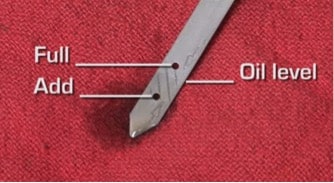
First, locate the dipstick on your lawn mower. It is usually near the engine. Pull it out and wipe it clean with a cloth. Insert it back fully into the tube. Then, remove it again to check the oil level. The dipstick has markings to indicate the proper oil level. If the oil is below the “full” mark, add more oil slowly.
Frequency Of Checks
Check the oil level before each use. Regular checks help detect any leaks. If you use your lawn mower frequently, check the oil at least once a week. Keeping a maintenance schedule can prevent engine problems. Consistent checks and timely oil changes keep your lawn mower running efficiently.
Adding Oil To Your Lawn Mower
Adding oil to your lawn mower is crucial for its performance. It keeps the engine running smoothly. Without proper oil, your mower can overheat and get damaged. Let’s walk through the process of adding oil to your lawn mower.
Tools You Need
Before you start, gather these tools. You need fresh oil, a funnel, and a clean cloth. You may also need a dipstick. These tools make the job easier and cleaner.
Step-by-step Guide
First, place your lawn mower on a flat surface. Ensure it is stable. Next, locate the oil cap. It’s usually on the side of the engine.
Remove the oil cap carefully. Use a clean cloth to wipe around the opening. This prevents dirt from entering the engine.
Insert the funnel into the oil fill opening. Pour the fresh oil slowly through the funnel. Check the oil level with a dipstick if available.
Add more oil if needed. Do not overfill. Screw the oil cap back on tightly. Wipe any spilled oil with the cloth.
Now, your lawn mower is ready to use. Regular oil checks extend the life of your mower. Follow these steps each time you need to add oil.
Signs Of Low Oil
Keeping an eye on the oil level in your lawn mower is crucial. Running the engine with low oil can lead to serious damage. Here are some signs of low oil that you should watch for.
Engine Noise
Your lawn mower should run smoothly without unusual sounds. If you hear knocking or rattling noises, it might be due to low oil. These noises indicate that the engine parts are not lubricated properly. This can cause them to grind against each other.
Performance Issues
Low oil affects the performance of your lawn mower. You may notice that it struggles to start. It might also stall or run less efficiently. The engine may overheat quickly. This happens because oil helps to cool the engine. Without enough oil, the engine can’t maintain the right temperature.
| Sign | Description |
|---|---|
| Engine Noise | Knocking or rattling sounds due to insufficient lubrication. |
| Performance Issues | Difficulty starting, stalling, and overheating due to lack of oil. |
Make sure to check the oil level regularly. This helps to avoid these problems. Keeping your lawn mower well-maintained ensures a long lifespan and efficient operation.
Preventing Overfilling
Maintaining the right oil level in your lawn mower is crucial for its performance. Overfilling the oil can lead to several issues, impacting the engine and overall mower efficiency. Understanding the correct oil quantity and how to measure it accurately will help keep your lawn mower in top shape.
Risks Of Overfilling
Overfilling the oil in your lawn mower can cause serious problems. Some of the common risks include:
- Engine damage: Too much oil can lead to increased pressure, causing leaks and seal damage.
- Smoking: Excess oil can get into the exhaust system, resulting in white or blue smoke.
- Reduced performance: The mower may run poorly, with sluggish acceleration and decreased power.
- Increased maintenance costs: Fixing issues caused by overfilling can be expensive.
Proper Measurement Techniques
To prevent overfilling, follow these steps for accurate oil measurement:
- Consult the user manual for the recommended oil type and quantity.
- Ensure the mower is on a level surface before checking the oil level.
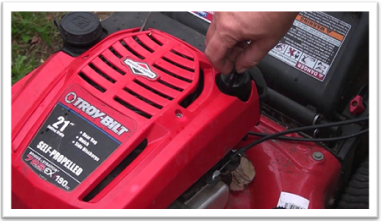
- Locate the oil cap and dipstick. Remove them carefully.
- Wipe the dipstick with a clean cloth, then reinsert it fully and remove it again.
- Check the oil level on the dipstick. It should be between the minimum and maximum marks.
- If needed, add oil slowly, checking the level frequently to avoid overfilling.
Using these techniques ensures that your lawn mower has the right amount of oil, preventing potential issues and keeping it running smoothly.
Regular Maintenance Tips
Maintaining your lawn mower ensures it runs efficiently. Proper care extends its life, saving you money and time. Regular maintenance also keeps your lawn looking great.
Oil Change Schedule
Changing the oil in your lawn mower is crucial. It keeps the engine in top condition. Regular oil changes prevent wear and tear on the engine.
Follow these steps for an effective oil change:
- Check your mower’s manual for specific oil requirements.
- Warm up the engine for a few minutes.
- Turn off the mower and disconnect the spark plug.
- Drain the old oil into a container. Dispose of it properly.
- Refill with the recommended type and amount of oil.
- Reconnect the spark plug and start the mower. Check for leaks.
Tip: Change the oil every 50 hours of use or once a season, whichever comes first.
Cleaning The Oil Filter
The oil filter traps dirt and debris. A clean filter ensures the engine runs smoothly.
Here’s how to clean the oil filter:
- Locate the oil filter. Refer to your mower’s manual if needed.
- Remove the filter carefully. Avoid spilling oil.
- Check if the filter is reusable. If not, replace it with a new one.
- Wash a reusable filter with warm, soapy water. Rinse well.
- Dry the filter completely before reinstalling it.
- Reattach the filter securely.
Tip: Clean or replace the oil filter every 25 hours of use or at least once a year.
Storage And Oil Care
Proper oil care is crucial for lawn mower performance. Typically, use around 18 to 20 ounces of oil for most mowers. Always check the owner’s manual for specific recommendations.
Proper storage and oil care are crucial for the longevity of your lawn mower. Taking care of these aspects ensures that your mower runs smoothly and efficiently. Let’s dive into the best practices for storing your lawn mower and choosing the right storage oil.Storing Lawn Mower
Before storing your lawn mower, make sure to clean it thoroughly. Remove any grass clippings and dirt from the blades and undercarriage. This prevents rust and buildup. Drain the fuel tank or add a fuel stabilizer to prevent the fuel from going bad. Store the mower in a dry, cool place, away from the elements. Cover it with a tarp or a specialized mower cover for added protection.Choosing Storage Oil
Selecting the right oil for storage is essential. Use a high-quality, synthetic oil to ensure the engine stays lubricated during the off-season. Synthetic oil provides better protection against temperature changes. Change the oil before storing the mower. Run the engine for a few minutes to circulate the new oil. This step helps coat the internal parts and prevents corrosion. Check the manufacturer’s recommendation for the best oil type and quantity. By following these tips, you can keep your lawn mower in top condition, ready for the next mowing season. “`
Troubleshooting Common Problems
Maintaining your lawn mower’s oil level is crucial. Still, you might face some issues. Here are common problems and how to fix them.
Oil Leaks
Oil leaks can cause serious damage to your lawn mower. If you spot oil on the ground, inspect the mower immediately. Check these parts:
- Oil cap: Ensure it is tight and not cracked.
- Oil drain plug: Verify it is secure.
- Oil filter: Replace if it looks worn.
Sometimes, gaskets or seals may wear out. Inspect and replace them if necessary. Regular maintenance can prevent leaks.
Smoke From Exhaust
Seeing smoke from the exhaust? This could be an oil-related issue. Here are some common causes:
- Overfilled oil: Check the oil level. Drain excess oil if needed.
- Wrong oil type: Ensure you use the recommended oil.
- Worn piston rings: These may need replacement.
If the smoke is blue or white, it usually means burning oil. Black smoke often indicates a fuel problem. Addressing these issues can keep your mower running smoothly.
Frequently Asked Questions
How Much Oil Does A Lawn Mower Need?
Most lawn mowers need about 20 to 24 ounces of oil. Always check the manufacturer’s manual for exact specifications.
Can You Overfill A Lawn Mower With Oil?
Yes, overfilling can cause engine damage. Excess oil can lead to smoking, overheating, and poor performance.
What Type Of Oil Is Best For Lawn Mowers?
SAE 30 is commonly recommended for lawn mowers. However, always refer to your manual for the best type.
How Often Should You Change Lawn Mower Oil?
Change the oil after every 50 hours of use or once a season. Regular maintenance ensures optimal performance.
Conclusion
Proper oil levels are crucial for lawn mower performance. Too much or too little oil can cause issues. Check your mower’s manual for the correct amount. Use the dipstick to measure accurately. Regular oil checks ensure a longer engine life.
Keep your lawn mower running smoothly with the right oil levels. Happy mowing!
