
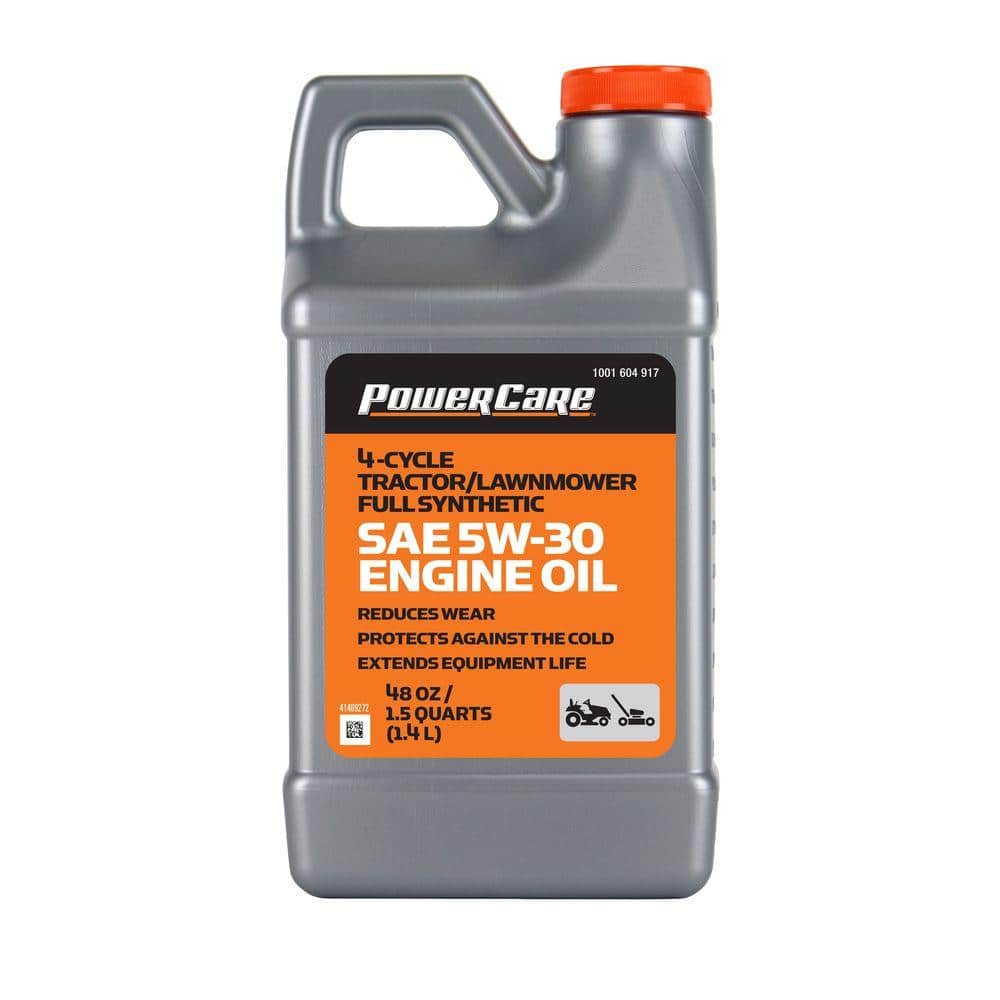
How much oil does your lawn mower need? It’s a common question for many.
The amount of oil varies by mower type and model. Understanding the right oil quantity is crucial. Too little oil can damage your engine, while too much can cause other issues. Regular maintenance helps your mower run smoothly and last longer.
In this blog post, we’ll guide you on how to determine the correct oil amount for your lawn mower. This will ensure optimal performance and extend the life of your machine. Let’s dive in and learn the essentials of lawn mower oil requirements.
Choosing The Right Oil
Maintaining a lawn mower requires using the correct oil. Using the right oil ensures the engine runs smoothly and lasts longer. This section will help you choose the right oil for your lawn mower.
Types Of Oil For Lawn Mowers
There are different types of oil suitable for lawn mowers. Each type has its own characteristics and benefits.
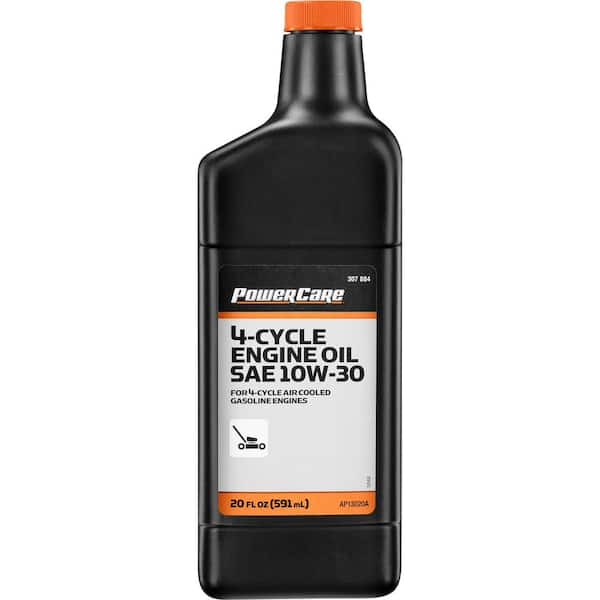
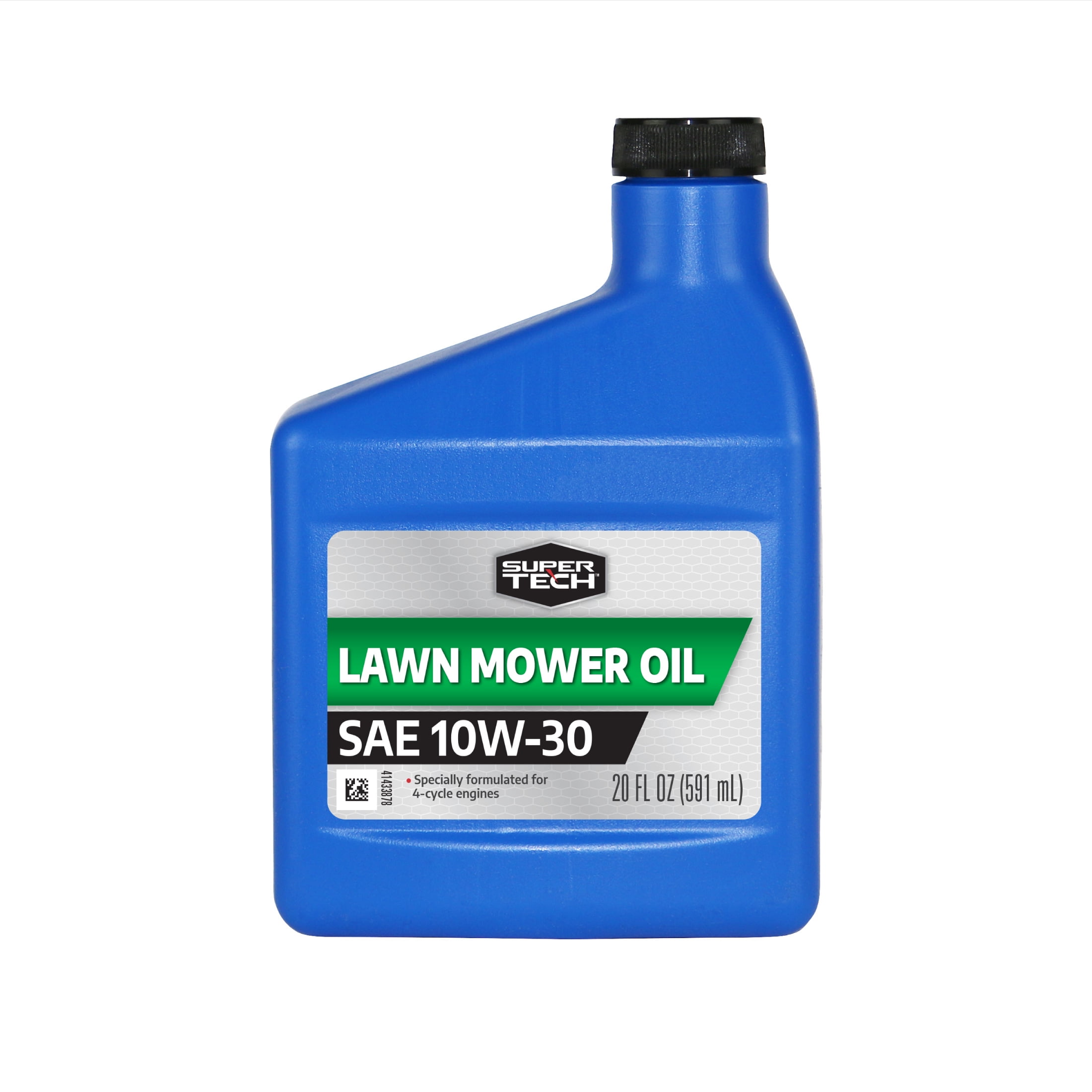
- SAE 30: Ideal for warmer temperatures. Commonly used in small engines.
- SAE 10W-30: Suitable for varying temperatures. Ensures a smooth start.
- SAE 5W-30: Best for colder climates. Provides better protection in low temperatures.
- Synthetic Oil: Offers higher performance and longer intervals between changes.
Factors To Consider
Several factors influence the choice of oil for your lawn mower.
| Factor | Details |
|---|---|
| Climate | Choose oil based on the temperature in your area. SAE 30 for warm, SAE 5W-30 for cold. |
| Engine Type | Check the manufacturer’s recommendation. Different engines may require different oils. |
| Usage | For heavy use, synthetic oil may be better. It lasts longer and protects the engine. |
Always refer to your lawn mower’s manual for specific oil recommendations. This ensures optimal performance and longevity.
How To Check Oil Levels
Maintaining the correct oil level in your lawn mower is crucial. Proper oil levels keep your engine running smoothly and extend its lifespan. This section will guide you through checking your lawn mower’s oil levels efficiently.
Tools Needed
Before you start, gather the necessary tools. You will need:
- Clean rag or paper towel
- Oil dipstick
- Oil funnel (optional)
- Owner’s manual
Step-by-step Process
Follow these steps to check your lawn mower’s oil levels:
- Place your lawn mower on a flat surface. This ensures an accurate reading.
- Turn off the engine. Allow it to cool down for a few minutes.
- Locate the oil dipstick. It’s usually near the engine.
- Remove the dipstick. Wipe it clean with a rag or paper towel.
- Insert the dipstick back into the tube. Push it all the way in.
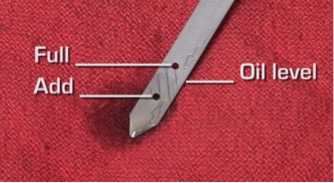
- Pull the dipstick out again. Check the oil level on the stick.
- Ensure the oil level is between the “full” and “add” marks. If it’s low, add oil as needed.
- Use a funnel to add oil if required. Refer to your owner’s manual for the right type of oil.
- Recheck the oil level after adding oil. Make sure it’s at the correct level.
- Replace the dipstick and tighten it securely.
Adding Oil To Your Lawn Mower
Adding oil to your lawn mower is crucial for its performance. Proper lubrication keeps the engine running smoothly. This section will guide you through the process.
Preparation Steps
First, gather your materials. You need fresh oil, a funnel, and a rag. Next, park your lawn mower on a flat surface. Ensure the engine is cool before starting. Check the owner’s manual for the recommended oil type. This information is vital for the longevity of your mower. Prepare to dispose of the old oil responsibly.
Filling The Oil
Locate the oil fill cap on your lawn mower. Unscrew the cap and wipe the dipstick with a clean rag. Insert a funnel into the oil fill tube. Pour the recommended amount of oil slowly. Frequently check the oil level with the dipstick. Do not overfill. Once filled, screw the oil fill cap back on tightly. Wipe away any spilled oil with a rag. Your lawn mower is now ready for use.
Signs Your Lawn Mower Needs An Oil Change
Keeping your lawn mower in top condition is important. One crucial aspect is the oil. If the oil is not changed regularly, your lawn mower can suffer. But how do you know it’s time for an oil change? Here are some signs to look out for.
Common Symptoms
There are a few common symptoms that indicate your lawn mower needs an oil change. First, check the color of the oil. If it looks dark and dirty, it’s time to change it. Fresh oil should be clear or light brown.
Another sign is increased engine noise. A lawn mower that needs an oil change may sound louder than usual. The engine might also run rough or be less powerful. Pay attention to these changes.
Finally, check for oil leaks. If you see oil spots under your lawn mower, it could mean the oil is old. Leaks can also indicate other issues, but start with an oil change.
Preventive Maintenance
Preventive maintenance can save you time and money. Always refer to your lawn mower’s manual for oil change intervals. Most manufacturers recommend changing the oil every 20-50 hours of use.
Make a habit of checking the oil level before each use. This simple step can prevent major problems. Use a dipstick to check the oil level and color. Add oil if it’s low, but also consider if it needs changing.
Regularly clean the air filter too. A clean air filter helps the engine run smoothly and reduces the need for frequent oil changes. Replace or clean the filter according to the manual’s instructions.
| Maintenance Task | Frequency |
|---|---|
| Oil Change | Every 20-50 hours |
| Check Oil Level | Before each use |
| Clean Air Filter | As needed |
By following these tips, you can keep your lawn mower running smoothly. Regular oil changes are key to a long-lasting engine. Don’t wait for problems to appear. Stay proactive with your maintenance.
How Often To Change Oil
Knowing how often to change oil in your lawn mower is crucial. It ensures optimal performance and extends the life of your machine. Let’s explore the recommendations and guidelines for changing oil in your lawn mower.
Manufacturer Recommendations
Different manufacturers have specific recommendations for oil changes. Always refer to your lawn mower’s manual for exact details. Generally, manufacturers suggest changing the oil after the first 5 hours of use. This initial change helps remove any debris from the manufacturing process. After that, most recommend an oil change every 25 to 50 hours of use.
Usage-based Guidelines
Usage-based guidelines can help determine when to change the oil. Here are some common scenarios:
- Frequent Use: If you use your mower weekly, change the oil every 25 hours.
- Seasonal Use: For seasonal use, change the oil at the start and end of the mowing season.
- Heavy-Duty Use: If mowing thick or wet grass, change the oil every 20 hours.
Keep an eye on the oil’s condition. If it looks dark or dirty, it’s time for a change. Regular oil changes keep your lawn mower running smoothly.
| Usage Type | Oil Change Frequency |
|---|---|
| Frequent Use | Every 25 hours |
| Seasonal Use | Start and end of season |
| Heavy-Duty Use | Every 20 hours |
Remember, regular maintenance is key to a well-functioning lawn mower. Follow these guidelines to ensure your mower stays in top shape.
Disposing Of Old Oil
Changing the oil in your lawn mower is essential for its performance. But what do you do with the old oil? Proper disposal is crucial to protect the environment. Let’s explore the best ways to dispose of old oil safely and responsibly.
Environmental Considerations
Used oil can harm the environment. It contains toxins and heavy metals. These can pollute soil and water. Disposing of it improperly can cause serious environmental damage.
One gallon of used oil can contaminate one million gallons of water. So, it is vital to handle it with care. Protecting the environment should always be a priority.
Proper Disposal Methods
There are several methods to dispose of old oil properly. Here are some options:
- Take to a Recycling Center: Many recycling centers accept used oil. They ensure it is disposed of safely.
- Auto Parts Stores: Some auto parts stores offer oil recycling services. Call ahead to confirm.
- Local Hazardous Waste Facility: Many communities have facilities for hazardous waste. Check your local government website for details.
- Service Stations: Some service stations accept used oil. They often have special containers for collection.
Always transport used oil in a sealed container. Avoid spills and leaks during transportation. Label the container clearly to avoid confusion.
Never pour oil down a drain or into the trash. It can cause significant harm to the environment. Always choose a proper disposal method to ensure safety.
Tips For Lawn Mower Maintenance
Maintaining your lawn mower ensures it runs smoothly and lasts longer. Regular maintenance can prevent costly repairs. Here are some essential tips to keep your lawn mower in top condition.
Regular Inspection
Inspect your lawn mower before each use. Look for any visible damage or loose parts. Check the oil level to ensure it is within the recommended range. Use the dipstick to measure the oil. Clean or replace the air filter if it is dirty. A clean air filter improves engine performance.
Examine the spark plug. A worn or dirty spark plug can cause starting problems. Replace it if necessary. Sharpen the mower blades regularly. Sharp blades cut grass more efficiently and reduce strain on the engine.
| Item | Action | Frequency |
|---|---|---|
| Oil Level | Check | Before each use |
| Air Filter | Clean/Replace | Every 25 hours |
| Spark Plug | Inspect/Replace | Annually |
| Blades | Sharpen | Every 20 hours |
Seasonal Maintenance
Perform seasonal maintenance for optimal performance. At the start of the mowing season, change the oil. Use fresh oil recommended by the manufacturer. Inspect and replace the fuel filter if necessary.
During the mowing season, clean the mower deck regularly. Grass clippings can build up and cause problems. Use a hose to wash away debris. Be sure the mower is off and cool before cleaning.
At the end of the season, prepare the mower for storage. Drain the fuel tank or add a fuel stabilizer. This prevents fuel degradation. Remove the battery and store it in a cool, dry place. Clean the mower thoroughly and cover it to protect against dust and moisture.
- Change the oil at the start of the season.
- Inspect and replace the fuel filter.
- Clean the mower deck regularly.
- Prepare the mower for storage at season’s end.
By following these tips, you ensure your lawn mower performs well for many years. Regular and seasonal maintenance can save you time and money.
Frequently Asked Questions
How Much Oil Does A Lawn Mower Need?
Most lawn mowers need about 20-24 ounces of oil. Check the owner’s manual for exact specifications for your model.
What Type Of Oil For A Lawn Mower?
Use SAE 30 motor oil for small engines. Synthetic oils like SAE 5W-30 are also suitable for better performance.
Can You Overfill A Lawn Mower With Oil?
Yes, overfilling can cause engine damage. Always use the recommended oil level to ensure optimal performance and longevity.
How Often Should I Change Lawn Mower Oil?
Change the oil every 50 hours of use or at least once a season. Check the owner’s manual for specific guidelines.
Conclusion
Choosing the right amount of oil keeps your lawn mower running smoothly. Too much or too little oil can cause problems. Always check your mower’s manual for exact measurements. Regular maintenance extends your mower’s life. Clean oil ensures efficient operation.
Simple steps can prevent costly repairs. Keep your lawn looking great with proper care. Happy mowing!
