
A lawn mower’s gas usage varies, but it’s a common concern for many. Knowing how much gas your lawn mower uses can help you save money and plan better.
Gas consumption depends on the type and size of your lawn mower. Smaller push mowers use less gas compared to larger riding mowers. The terrain and the frequency of mowing also play a role. Understanding these factors can help you estimate the fuel needs of your lawn mower.
This blog will dive into the details and help you calculate how much gas you might need for your lawn maintenance. Stay with us to get a clearer picture and make your lawn care more efficient.
Factors Affecting Gas Usage
Understanding the factors that affect gas usage in a lawn mower can help you manage fuel costs. Several aspects play a role in determining how much gas your mower uses. Let’s delve into the main factors affecting gas usage.
Engine Size And Type
The engine size and type greatly influence gas consumption. Larger engines usually need more gas. They offer more power but at the cost of fuel efficiency. Two-stroke engines use more fuel compared to four-stroke engines. They mix oil with gas, leading to higher consumption.
Cutting Deck Size
The size of the cutting deck also affects gas usage. A larger cutting deck covers more ground per pass. This means the engine works harder and uses more fuel. Smaller decks use less gas but take more time to mow the same area. Choosing the right deck size can balance fuel use and mowing time.
Terrain And Grass Type
Terrain and grass type are other crucial factors. Mowing on uneven or hilly terrain requires more engine power. This increases fuel consumption. Similarly, thick or wet grass puts extra strain on the engine. This leads to higher gas usage. Mowing dry and even lawns saves fuel.
Gas Consumption By Mower Type
Understanding how much gas your lawn mower uses can help you budget better. Different mower types consume gas at different rates. Let’s explore the gas consumption of various mowers.
Push Mowers
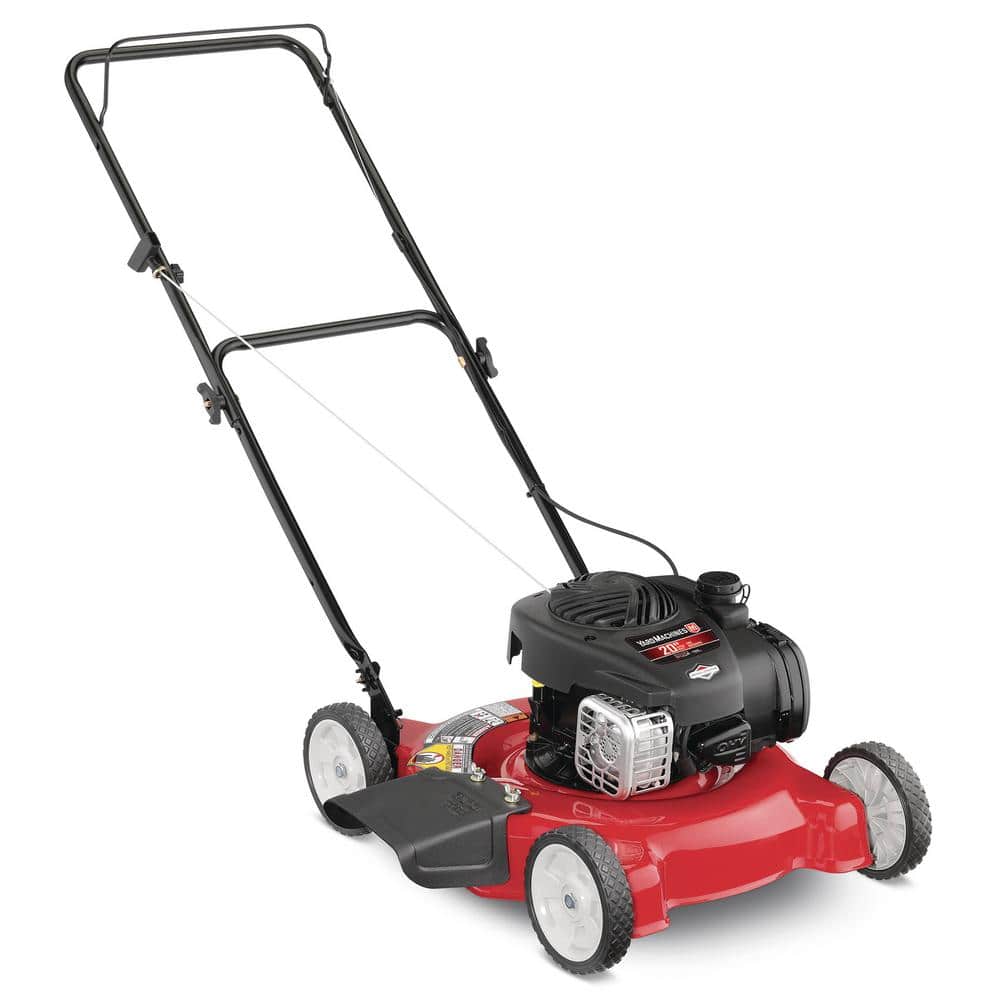
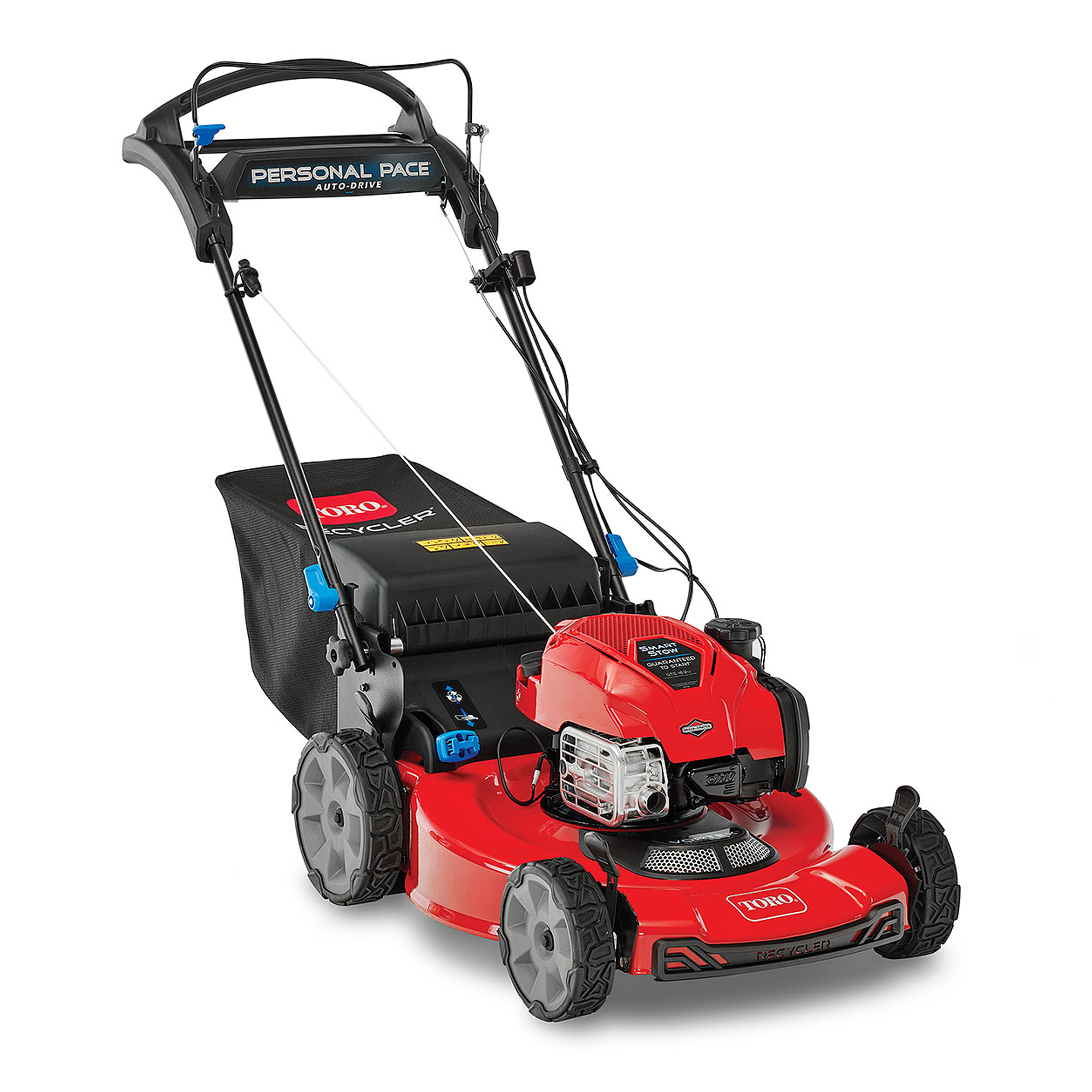
Push mowers are the simplest type of lawn mowers. They require the user to push the mower manually. These mowers are usually powered by a small gas engine. On average, a push mower uses about 0.5 to 0.75 gallons of gas per hour. This makes them a good choice for small lawns.
Riding Mowers
Riding mowers are larger and more powerful. They allow the user to sit and drive the mower. These mowers are ideal for medium to large lawns. A riding mower typically consumes about 1 to 2 gallons of gas per hour. Although more expensive, they save time and effort.
Zero-turn Mowers
Zero-turn mowers offer the best maneuverability. They can turn on the spot, making them perfect for lawns with obstacles. These mowers are more fuel-efficient than riding mowers. They use about 1 to 1.5 gallons of gas per hour. Zero-turn mowers are great for large, complex lawns.
Estimating Gas Usage
Understanding how much gas your lawn mower uses can help you save money. It also helps you plan better. Below, we will discuss the average gas consumption rates and how to calculate your mower’s usage.
Average Gas Consumption Rates
Different lawn mowers have different gas consumption rates. Here’s a quick look:
| Type of Mower | Average Gas Usage (Gallons per Hour) |
|---|---|
| Push Mower | 0.25 – 0.5 |
| Riding Mower | 1 – 2 |
| Zero-Turn Mower | 1.5 – 3 |
These numbers can vary based on the model and how you use your mower. Push mowers usually use less gas. Riding mowers and zero-turn mowers consume more.
Calculating Your Mower’s Usage
To estimate your mower’s gas use, follow these steps:
- Check your mower’s fuel tank capacity.
- Record the time you spend mowing.
- Calculate how often you refuel.
Use this formula: Gas Usage = (Fuel Tank Capacity) x (Hours of Use) / (Refueling Frequency).
For example:
- Fuel tank capacity: 1 gallon
- Hours of use: 2 hours per week
- Refueling frequency: every 2 weeks
Gas usage = (1 gallon) x (2 hours) / (2 weeks) = 1 gallon per week.
This simple calculation helps you understand your mower’s gas consumption. It also helps you plan your mowing schedule and budget for gas.
Improving Fuel Efficiency
Improving the fuel efficiency of your lawn mower can save money and reduce environmental impact. Simple changes in maintenance and mowing habits can make a big difference. Here are some effective ways to enhance the fuel efficiency of your lawn mower.
Regular Maintenance Tips
Regular maintenance ensures your lawn mower runs smoothly. Follow these tips:
- Change the Oil: Fresh oil lubricates the engine better.
- Clean or Replace the Air Filter: A clean air filter helps the engine breathe better.
- Sharpen the Blades: Sharp blades cut grass more efficiently.
- Check the Spark Plug: A clean spark plug helps start the engine easily.
Optimal Mowing Practices
Adopting optimal mowing practices can also help improve fuel efficiency:
- Mow at the Right Time: Avoid mowing wet grass. Wet grass makes the engine work harder.
- Set the Correct Mowing Height: Cutting too low stresses the engine.
- Reduce Mowing Speed: Slower mowing conserves fuel.
- Avoid Overloading: Don’t let grass clippings build up under the deck.
These tips ensure your lawn mower uses less gas and runs more efficiently. Regular maintenance and good mowing habits are key to saving fuel.
Alternative Fuel Options
Choosing the right fuel for your lawn mower can save money and help the environment. Alternative fuel options are gaining popularity, offering cleaner and more efficient choices. This section explores different fuel options for lawn mowers.
Electric And Battery-powered Mowers
Electric mowers are a great option for small to medium lawns. They run on electricity and require an extension cord. Battery-powered mowers are cordless and run on rechargeable batteries. Here are some benefits:
- Low maintenance – No need for gas or oil changes.
- Quiet operation – Less noise compared to gas mowers.
- Environmentally friendly – No emissions.
These mowers are easy to start and handle. They may have a shorter run time due to battery life.
Propane And Other Alternatives
Propane-powered mowers are another eco-friendly option. They use liquid propane gas (LPG) and offer several benefits:
- Clean burning – Fewer emissions than gasoline.
- Long shelf life – Propane does not degrade over time.
- Cost-effective – Lower fuel costs compared to gasoline.
Other alternatives include biodiesel and natural gas. Biodiesel is made from renewable resources, and natural gas mowers produce fewer pollutants. These options are less common but worth considering for their environmental benefits.
Environmental Impact
The amount of gas a lawn mower uses has a significant environmental impact. Understanding this helps in making eco-friendly choices. Let’s explore the emissions and pollution caused by lawn mowers and find eco-friendly mowing solutions.
Emissions And Pollution
Gas-powered lawn mowers produce harmful emissions. These emissions contribute to air pollution. They emit carbon monoxide, hydrocarbons, and nitrogen oxides. These pollutants affect air quality and health.
According to the Environmental Protection Agency (EPA), one gas-powered lawn mower can produce as much pollution as 11 cars running for an hour. This is a significant environmental concern. Reducing lawn mower emissions can help improve air quality.
| Pollutant | Impact |
|---|---|
| Carbon Monoxide | Reduces oxygen in the air |
| Hydrocarbons | Contributes to smog |
| Nitrogen Oxides | Causes respiratory issues |
Eco-friendly Mowing Solutions
Consider using eco-friendly mowing solutions to reduce environmental impact. These solutions include:
- Electric lawn mowers
- Battery-powered lawn mowers
- Manual reel mowers
Electric and battery-powered mowers produce no direct emissions. They are quieter and more environmentally friendly. Manual reel mowers are also a great eco-friendly option. They require no gas or electricity. They offer a low-impact way to maintain your lawn.
Another solution is to mow less often. Letting the grass grow longer can reduce the need for frequent mowing. This can save fuel and reduce emissions. Regular maintenance of your lawn mower can also help. A well-maintained mower runs more efficiently and produces fewer emissions.
- Choose eco-friendly mowers
- Mow less often
- Maintain your mower
By adopting these solutions, you can reduce the environmental impact of your lawn care routine.
Frequently Asked Questions
How Much Gas Does A Lawn Mower Use Per Hour?
A typical lawn mower uses about 1 to 2 gallons of gas per hour. This can vary based on engine size.
What Affects Lawn Mower Gas Consumption?
Several factors affect gas consumption, including engine size, mowing speed, grass height, and mower maintenance.
How Can I Reduce Gas Usage In My Lawn Mower?
Regular maintenance, proper mowing techniques, and keeping the blades sharp can reduce gas usage significantly.
Does A Riding Lawn Mower Use More Gas?
Yes, riding lawn mowers typically use more gas than push mowers due to their larger engines.
Conclusion
Knowing how much gas a lawn mower uses helps you plan better. It’s essential to maintain your mower for efficiency and cost savings. Regular checks and proper fuel can extend its life. Consider the type of mower you own. Each has different fuel needs.
Always follow the manufacturer’s guidelines for best results. Efficient fuel use also benefits the environment. Keep your lawn beautiful while being mindful of gas consumption. Happy mowing!
