
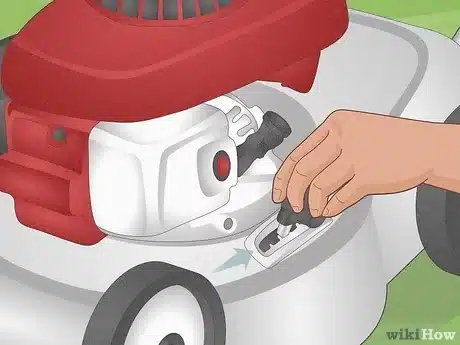
Turning on a lawn mower might seem tricky at first. But it’s quite simple with the right steps.
Starting your lawn mower is the first step to a neat yard. Whether you’re new to mowing or need a quick refresher, this guide will help. Understanding your mower’s parts and how they work together is key. From checking the fuel to pulling the starter cord, each step is crucial.
This guide will walk you through every detail, ensuring your mower starts smoothly. So, let’s dive in and get that mower running!
Preparation
Starting your lawn mower can seem like a simple task, but proper preparation ensures safety and efficiency. Before you get started, there are a few critical steps to follow. This section covers everything you need to do before turning on your lawn mower.
Safety Gear
Always wear the right safety gear before operating your lawn mower. This protects you from debris and noise. Here are essential items you need:
- Gloves: Protect your hands from sharp edges and dirt.
- Safety glasses: Prevent debris from getting into your eyes.
- Ear protection: Lawn mowers are loud. Protect your hearing with earplugs or earmuffs.
- Sturdy shoes: Avoid sandals or barefoot mowing to protect your feet.
Inspect The Mower
Before you start, inspect the mower to ensure everything is in good condition. Follow this checklist:
- Check the fuel: Make sure the tank has enough fuel. Use fresh fuel to avoid engine issues.
- Oil level: Check the oil level using the dipstick. Add oil if it’s low.
- Air filter: Ensure the air filter is clean. A dirty filter can block airflow and reduce performance.
- Blades: Inspect the blades for sharpness and damage. Replace or sharpen if needed.
- Wheels: Check if the wheels are secure and in good condition. Tighten any loose bolts.
Taking these steps makes sure your lawn mower runs smoothly and safely. Now, you are ready to move on to the next step of turning it on.

Fuel And Oil Check
Before starting your lawn mower, it’s important to check the fuel and oil levels. Proper maintenance ensures your mower runs smoothly and lasts longer. Neglecting these checks can lead to performance issues or damage. Let’s go through these steps together.
Check Fuel Level
First, locate the fuel tank. It’s usually near the engine. Open the fuel cap carefully. Peek inside to see the fuel level. If it’s low, fill it with fresh gasoline. Ensure the fuel is clean and free from debris. Close the cap tightly to avoid spills.
Check Oil Level
Next, find the oil dipstick. It’s often marked with a bright color. Pull the dipstick out and wipe it clean. Insert it back fully and pull it out again. Check the oil level against the markings. If it’s low, add the recommended oil. Avoid overfilling. Finally, secure the dipstick firmly.
Prime The Engine
Priming the engine is a key step in starting your lawn mower. This prepares the engine for ignition. It ensures a smooth start by injecting fuel into the carburetor. Follow the steps below to prime your engine correctly.
Locate Primer Bulb
First, find the primer bulb on your lawn mower. It is usually a small, rubber button. You will find it on the side or top of the engine. Look for a round, red or black bulb.
Press Primer Bulb
Press the primer bulb three to five times. This pumps fuel into the carburetor. Make sure to press it firmly. Do not over-press as this can flood the engine.
After priming, your engine is ready to start. Follow the next steps in your manual. Your lawn mower should now start without any trouble.
Set The Throttle
Setting the throttle correctly is a crucial step in starting your lawn mower. The throttle controls the engine’s speed and ensures smooth operation. Follow these steps to set the throttle for a successful mowing session.
Locate Throttle Control
First, you need to locate the throttle control on your lawn mower. This control is usually found near the handle or on the engine itself. Look for a lever or a switch with symbols like a rabbit (fast) or a turtle (slow).
Adjust Throttle
Once you have located the throttle control, it is time to adjust it. Move the throttle lever to the fast position (rabbit symbol). This setting ensures the engine runs at the correct speed for starting. If your mower has a choke, set it to the “choke” or “start” position.
By setting the throttle to the right position, you ensure that the engine gets the fuel it needs. This helps in starting the mower easily and efficiently.
| Step | Description |
|---|---|
| 1. Locate | Find the throttle control on the mower. |
| 2. Adjust | Move the throttle to the fast position. |
| 3. Set Choke | If available, set the choke to the start position. |
With the throttle set, you are now ready to start your lawn mower. Make sure the mower is on a flat surface, and follow the next steps for a smooth start.
Engage The Choke
Starting a lawn mower involves several steps. One essential step is to engage the choke. This step ensures the engine starts smoothly, especially in cold conditions. The choke lever controls the air-fuel mixture in the engine. Properly engaging the choke can make the startup process easier and quicker.
Locate Choke Lever
First, you need to locate the choke lever. This lever is usually near the carburetor or on the handle. It may have a small symbol or label. Look for a lever marked with a snowflake or a choke symbol. If you cannot find it, refer to your lawn mower’s manual.
Set Choke Position
Once you have found the lever, it’s time to set the choke position. Move the lever to the “choke” or “full choke” position. This position restricts air flow, allowing more fuel into the engine.
| Choke Position | Description |
|---|---|
| Full Choke | Use this for a cold engine start. |
| Half Choke | Use this for a warm engine start. |
| No Choke | Use this after the engine has started. |
After setting the choke, proceed to start the lawn mower. Pull the starter cord or turn the ignition key. Once the engine starts, gradually move the choke lever to the “no choke” position.
- Locate the choke lever near the carburetor.
- Set the choke to “full” for a cold engine.
- Move to “no choke” after the engine starts.
Properly engaging the choke helps in smooth engine startup. Always follow the manufacturer’s instructions for the best results.
Starting The Mower
Starting your lawn mower can seem challenging at first. With the right steps, it becomes easy. Follow these simple instructions to get your mower running smoothly.
Hold Safety Handle
First, locate the safety handle on your lawn mower. This handle is usually located at the top of the mower. Hold it firmly with both hands. The safety handle must stay engaged to start the mower.
Pull Starter Rope
Next, find the starter rope. It’s typically on the side of the mower. Hold the mower steady with one hand. With the other hand, pull the starter rope briskly.
If the engine does not start, repeat the process. Each pull should be firm and quick. This helps the engine start more easily. Remember to keep holding the safety handle while pulling the rope.
Warm Up The Engine
Ensuring your lawn mower engine is properly warmed up is crucial. A cold engine can cause rough idling and stalling. Let’s dive into how to properly warm up your lawn mower engine.
Gradually Adjust Choke
Start by engaging the choke lever. This enriches the fuel mixture, helping the engine start in cold conditions. Once the engine starts, gradually adjust the choke.
As the engine warms up, slowly move the choke lever towards the “Run” position. This allows the engine to receive more air and less fuel. Do this step-by-step to avoid stalling the engine.
Listen For Smooth Running
Pay close attention to the sound of the engine. A smoothly running engine indicates it’s warming up correctly.
If you hear sputtering or rough idling, adjust the choke slightly towards the “Choke” position. Continue to listen for a smooth, consistent sound.
Once the engine runs smoothly, it’s ready for mowing.
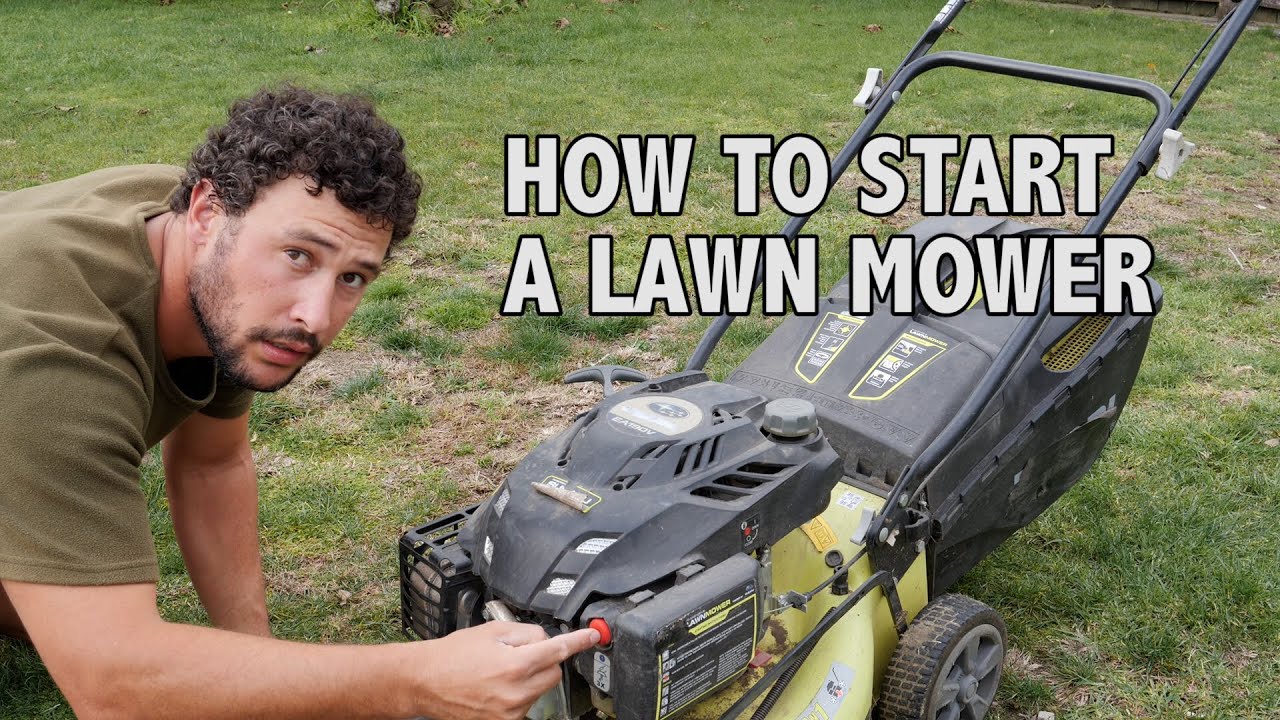
Troubleshooting
Troubleshooting your lawn mower can be frustrating. But don’t worry! Let’s break down common issues and their solutions. This guide will help you get your mower running smoothly.
Engine Won’t Start
If your engine won’t start, check the basics first. Make sure there’s enough fuel in the tank. Sometimes, old fuel can cause problems. Replace it with fresh fuel.
Next, inspect the spark plug. A dirty or damaged spark plug can prevent the engine from starting. Clean it or replace it if necessary. Also, ensure the spark plug wire is connected.
Another common issue is the air filter. A clogged air filter restricts airflow to the engine. Clean or replace the air filter to ensure proper air intake.
Finally, check the carburetor. A dirty carburetor can cause starting issues. Clean it thoroughly to remove any debris. These steps should help your engine start.
Engine Stalls
If your engine stalls, it could be due to a dirty carburetor. Clean the carburetor to ensure fuel flows properly. Also, inspect the fuel line for blockages. Clear any debris to maintain fuel flow.
Another reason for stalling could be a dirty air filter. Check the air filter and clean or replace it if needed. This allows proper airflow to the engine.
Additionally, check the spark plug. A faulty spark plug can cause the engine to stall. Clean or replace the spark plug to ensure smooth operation.
Lastly, consider the fuel quality. Old or contaminated fuel can cause stalling. Use fresh, high-quality fuel for best results. Following these steps can help prevent engine stalls.

Frequently Asked Questions
How Do I Start A Lawn Mower?
To start a lawn mower, check the fuel and oil levels. Then, set the throttle, prime the engine, and pull the starter rope.
Why Won’t My Lawn Mower Start?
If your lawn mower won’t start, check the spark plug, fuel supply, and air filter. These are common issues.
How Often Should I Maintain My Lawn Mower?
Maintain your lawn mower every 25 hours of use. This includes changing the oil, checking the air filter, and sharpening the blade.
What Type Of Fuel Does A Lawn Mower Use?
Most lawn mowers use unleaded gasoline. Check your owner’s manual for specific fuel recommendations for your model.
Conclusion
Starting your lawn mower can be easy. Follow the steps carefully. Check the oil and gas levels first. Make sure the spark plug is clean. Pull the starter cord smoothly. Now you know how to turn on your lawn mower.
Keep your mower well-maintained for a longer life. Happy mowing!
