

You should use SAE 30 oil for most lawn mowers. However, the type of oil can vary depending on the mower model and the temperature range.
Maintaining your lawn mower is crucial for its performance and longevity. One key aspect of maintenance is using the correct oil. Just like a car, a lawn mower engine needs proper lubrication to run smoothly. The right oil helps reduce friction and protects the engine from wear.
Using the wrong oil can cause damage and reduce the mower’s lifespan. In this guide, you’ll learn which type of oil is best for different lawn mowers and conditions. This knowledge ensures that your lawn mower runs efficiently and lasts for years.
Choosing The Right Oil
Choosing the right oil for your lawn mower is vital. It ensures your machine runs smoothly and lasts longer. Using the wrong oil can harm the engine and reduce its lifespan. So, understanding the different types of oil is key.
Types Of Lawn Mower Oils
Lawn mower oils come in various types. The most common are SAE 30, 10W-30, and synthetic oils. SAE 30 is suitable for warm temperatures. It’s ideal for small engines. 10W-30 works well in varying temperatures. It offers better cold-start protection. Synthetic oils provide the best performance. They can handle extreme temperatures and heavy loads.
Synthetic Vs. Conventional
Synthetic oil is man-made. It offers superior lubrication. It’s more stable in extreme temperatures. Conventional oil is natural. It’s cheaper but less effective in harsh conditions. Synthetic oil reduces engine wear. It also improves fuel efficiency. Conventional oil is a good option for mild climates. It requires more frequent changes.

Factors To Consider
Choosing the right oil for your lawn mower is crucial for optimal performance. Several factors influence this choice, ensuring your equipment runs smoothly. Let’s explore the key considerations.
Climate And Temperature
The climate in your area affects the type of oil you should use. Cooler climates need oil that remains fluid in lower temperatures. For warmer climates, choose oil that withstands higher heat. This helps your lawn mower operate efficiently throughout the year.
Lawn Mower Engine Type
Different engines need different oils. Two-stroke engines require a specific oil mix. Four-stroke engines need regular oil changes with suitable motor oil. Check your lawn mower’s manual for recommendations. Using the right oil keeps your engine running smoothly and extends its life.
Benefits Of Using The Correct Oil
Using the correct oil in your lawn mower is essential for maintaining its performance and longevity. The right type of oil can greatly enhance your engine’s performance and extend its life, ensuring that your lawn mower runs smoothly and efficiently.
Enhanced Engine Performance
Using the proper oil ensures that your lawn mower engine operates at its best. High-quality oil provides superior lubrication, reducing friction and wear on the engine’s moving parts. This results in smoother operation and improved fuel efficiency. Clean oil helps in maintaining optimal engine temperature, preventing overheating. A well-lubricated engine performs better and starts more easily, even in cold weather.
Extended Engine Life
The right oil can significantly extend the life of your lawn mower engine. Proper lubrication prevents excessive wear and tear, which can lead to engine damage. Clean oil reduces the accumulation of dirt and debris, which can clog engine parts and cause malfunctions. Regular oil changes with the correct type of oil help maintain the engine’s health, ensuring that your lawn mower serves you well for years to come.
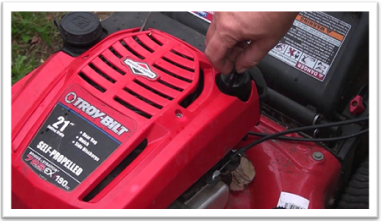
How To Check Oil Levels
Checking the oil levels in your lawn mower is essential for its longevity. Proper oil levels ensure your mower runs smoothly and efficiently. Regular checks prevent potential engine damage. This section guides you through the process.
Tools You Need
Before you start, gather these tools. They make the process easier.
- Clean cloth or paper towel
- Oil dipstick
- Flashlight (optional)
Step-by-step Guide
Follow these steps to check your lawn mower’s oil levels.
- Ensure the mower is on a level surface. This gives an accurate reading.
- Turn off the engine. Let it cool for a few minutes.
- Locate the oil dipstick. It’s usually near the engine.
- Remove the dipstick. Wipe it clean with a cloth.
- Reinsert the dipstick fully. Pull it out again.
- Check the oil level on the dipstick. It should be between the “full” and “add” marks.
- If needed, add oil to reach the correct level. Use the recommended oil type.
- Reinsert the dipstick and ensure it’s secure.
These steps help you maintain proper oil levels in your lawn mower. Regular checks keep your mower in top shape.
Changing Lawn Mower Oil
Changing the oil in your lawn mower is crucial for its longevity and performance. Fresh oil helps the engine run smoothly and efficiently. It’s an easy process that doesn’t take much time. Let’s dive into the details of changing lawn mower oil.
When To Change The Oil
Knowing when to change the oil is important. For new mowers, change the oil after the first five hours of use. This helps remove any debris from the manufacturing process. For older mowers, change the oil every 50 hours of use or at least once a season. Always check the manual for specific recommendations.
Oil Changing Process
Follow these steps to change the oil in your lawn mower:
- Start the mower and let it run for a few minutes. Warm oil flows better.
- Turn off the engine and disconnect the spark plug wire. This ensures safety.
- Locate the oil drain plug. It’s usually at the base of the mower. Place a container under it.
- Remove the drain plug and let the old oil drain completely. This may take a few minutes.
- Replace the drain plug securely. Use a wrench if needed.
- Locate the oil fill cap. Remove it and insert a funnel.
- Pour the recommended type and amount of oil into the mower. Refer to the manual for specifics.
- Replace the oil fill cap and reconnect the spark plug wire.
- Start the mower and let it run for a few minutes. Check for any leaks.
- Dispose of the old oil properly. Many auto parts stores accept used oil.
Regular oil changes keep your lawn mower in top shape. It’s a simple task that pays off in the long run.

Common Mistakes To Avoid
Maintaining your lawn mower is crucial for its longevity and performance. One key aspect is using the right oil. Common mistakes can lead to engine damage and poor efficiency. Here are some common mistakes to avoid.
Using The Wrong Oil Type
Using the wrong oil can harm your lawn mower. Always check the manufacturer’s recommendation. Lawn mowers typically use SAE 30 oil or 10W-30 oil. Using car oil can damage small engines. Synthetic oils are also safe and offer better protection.
Here is a table to help you choose the right oil type:
| Oil Type | Best For |
|---|---|
| SAE 30 | Warm climates |
| 10W-30 | Varied temperatures |
| Synthetic 5W-30 | All temperatures |
Not Changing Oil Regularly
Changing oil regularly is vital. Dirty oil can damage the engine. Follow the manufacturer’s schedule. Typically, change the oil every 50 hours of use or once a season. Neglecting oil changes can reduce engine life and performance.
Here are some steps to change the oil:
- Run the engine for a few minutes.
- Turn off the engine and disconnect the spark plug.
- Drain the old oil into a container.
- Replace the oil filter, if needed.
- Refill with the recommended oil type.
- Reconnect the spark plug.
By avoiding these mistakes, you ensure a longer life for your lawn mower. Proper oil maintenance is simple yet essential.
Expert Tips For Maintenance
Maintaining your lawn mower is crucial for its longevity and performance. Regular maintenance ensures it runs smoothly and efficiently. Below are expert tips to keep your lawn mower in top shape.
Regular Inspections
Inspect your lawn mower regularly to identify any issues early. Check for loose bolts, damaged blades, and oil levels. Clean the mower deck to prevent grass build-up.
- Oil Check: Always check the oil level before use. Use the recommended oil type for your mower.
- Blade Inspection: Ensure the blades are sharp and not damaged. Replace or sharpen them if needed.
- Filter Cleaning: Clean or replace the air filter regularly. A clean filter ensures better engine performance.
Storing Your Lawn Mower
Proper storage of your lawn mower extends its life. Store it in a dry, sheltered place away from the elements.
- Empty Fuel: Run the mower until the fuel tank is empty. This prevents fuel from going stale and clogging the carburetor.
- Clean the Mower: Remove grass, dirt, and debris from the mower. This prevents rust and damage.
- Oil the Engine: Add a small amount of oil to the engine and run it for a few minutes. This coats the internal parts and prevents rust.
By following these expert tips, your lawn mower will remain in excellent condition. Regular inspections and proper storage are key to a well-maintained machine.
Frequently Asked Questions
What Type Of Oil Is Best For Lawn Mowers?
Use SAE 30 motor oil for small engines. For colder climates, use SAE 10W-30. Always check the manufacturer’s manual.
Can I Use Car Oil In My Lawn Mower?
Yes, you can use car oil like SAE 30 or SAE 10W-30. Ensure it meets the mower’s specifications.
How Often Should I Change Lawn Mower Oil?
Change lawn mower oil every 50 hours of use or annually. Regular maintenance ensures optimal performance and longevity.
What Happens If I Use The Wrong Oil?
Using the wrong oil can cause overheating, poor lubrication, and engine damage. Always use the recommended oil type.
Conclusion
Choosing the right oil for your lawn mower is essential. It keeps the engine running smoothly. Regular maintenance extends your mower’s life. Always check the manual for specific oil recommendations. Typically, SAE 30 oil works well in warmer temperatures. Synthetic oils can offer better performance in extreme conditions.
Don’t forget to check the oil level before each use. Clean oil ensures efficient mowing. So, take a few extra minutes for oil care. Your lawn mower will thank you with years of reliable service. Happy mowing!
