

Using a snow blower can make clearing snow much easier. It saves time and effort compared to shoveling.
Winter brings beauty but also the challenge of snow-covered driveways and walkways. A snow blower is a fantastic tool to help with this task. Whether you are new to using a snow blower or need a refresher, this guide will walk you through the basics.
From starting the machine to effectively clearing snow, we cover it all. This way, you can keep your outdoor spaces safe and accessible. Read on to learn the essential steps and tips for using a snow blower efficiently.

Choosing The Right Snow Blower
Finding the perfect snow blower can make winter chores easier. With many options available, it’s important to choose the right one for your needs. To help you out, let’s explore the types of snow blowers and key features to consider.
Types Of Snow Blowers
Snow blowers come in various types, each suited for different conditions. Here are the main types:
| Type | Description |
|---|---|
| Single-Stage | Best for light snowfalls. Ideal for small driveways and sidewalks. |
| Two-Stage | Handles heavier snow. Suitable for medium to large driveways. |
| Three-Stage | Great for deep snow. Perfect for large areas and heavy snowfalls. |
Key Features To Consider
When choosing a snow blower, consider these important features:
- Clearing Width: Determines how much snow the blower can clear in one pass.
- Intake Height: Affects how deep of snow the blower can handle.
- Engine Power: More power means better performance in heavy snow.
- Electric Start: Makes starting the blower easier, especially in cold weather.
- Self-Propelled: Reduces the effort needed to push the blower.
Understanding these features will help you choose the best snow blower for your needs. Select wisely and make snow removal a breeze!

Preparing Your Snow Blower
Preparing your snow blower for the winter season is important. A well-maintained machine will work efficiently and safely. This section will guide you through essential steps to get your snow blower ready.
Pre-season Maintenance
Start by reading the user manual. This helps you understand your snow blower’s specific needs. Check for any worn-out parts. Replace them if needed. Tighten loose bolts and screws. This ensures the machine runs smoothly.
Inspect the belts and augers. Make sure they are in good condition. Clean the machine thoroughly. Remove any dirt or debris. A clean machine performs better and lasts longer.
Fuel And Oil Checks
Always check the fuel level before use. Use fresh gasoline. Old gas can cause engine problems. Check the oil level too. Proper oil levels keep the engine running well. Change the oil if it looks dirty.
Remember to check the spark plug. A clean spark plug ensures easy starting. Replace it if it looks worn or dirty. This small step can make a big difference.
Safety Precautions
Using a snow blower can save time and effort. But it is important to follow safety precautions. Proper use prevents accidents and injuries. This section covers the essential safety steps to follow.
Protective Gear
Wear the right clothes to stay safe. Use gloves to protect your hands from cold and injury. A sturdy pair of boots provides traction on slippery surfaces. Ear protection helps reduce noise from the snow blower. Also, wear eye protection to shield your eyes from flying debris.
Safe Operating Practices
Read the manual before using the snow blower. Understand the controls and safety features. Never put your hands inside the snow blower chute. Use a stick or tool to clear blockages. Keep children and pets at a safe distance. Always turn off the engine before making adjustments or repairs. Be aware of your surroundings. Avoid operating on steep slopes or uneven ground.
Start the snow blower on a flat surface. Move slowly and steadily. Do not rush the task. Stay alert and focused while operating the machine. These practices will ensure a safe and efficient snow removal experience.
Starting The Snow Blower
Starting the snow blower can seem daunting at first. But with the right techniques, you can get it running smoothly. This guide will help you understand the steps and troubleshoot any issues. Let’s get started.
Proper Starting Techniques
First, check the fuel level. Make sure there is enough gas. Use fresh, clean fuel for the best results. Next, find the safety key. Insert it into the ignition slot. This key is important for safety reasons.
Now, move the throttle to the “Fast” position. This is usually marked with a rabbit symbol. Set the choke to “Full” or “Closed”. This helps the engine start in cold conditions. If your snow blower has a primer bulb, press it three times. This sends fuel to the carburetor.
Finally, pull the starter handle firmly. This should start the engine. If your model has an electric start, press the start button instead. Let the engine warm up for a few minutes before use.
Troubleshooting Start-up Issues
If the engine doesn’t start, don’t worry. Check the fuel supply. Make sure the tank has enough gas. Next, inspect the spark plug. It should be clean and properly connected. Replace it if needed.
Look at the fuel line. It should not be clogged or damaged. If you find any issues, fix them before trying again. Also, check the air filter. A dirty filter can block air flow. Clean or replace it to ensure proper starting.
If the snow blower still won’t start, it might need professional service. Consult the user manual for more tips. Or contact a service technician for help.
Efficient Snow Removal Techniques
Efficient snow removal techniques can save time and effort during winter. Using a snow blower correctly can make the process smoother. Here’s how to handle different snow removal tasks effectively.
Clearing Driveways
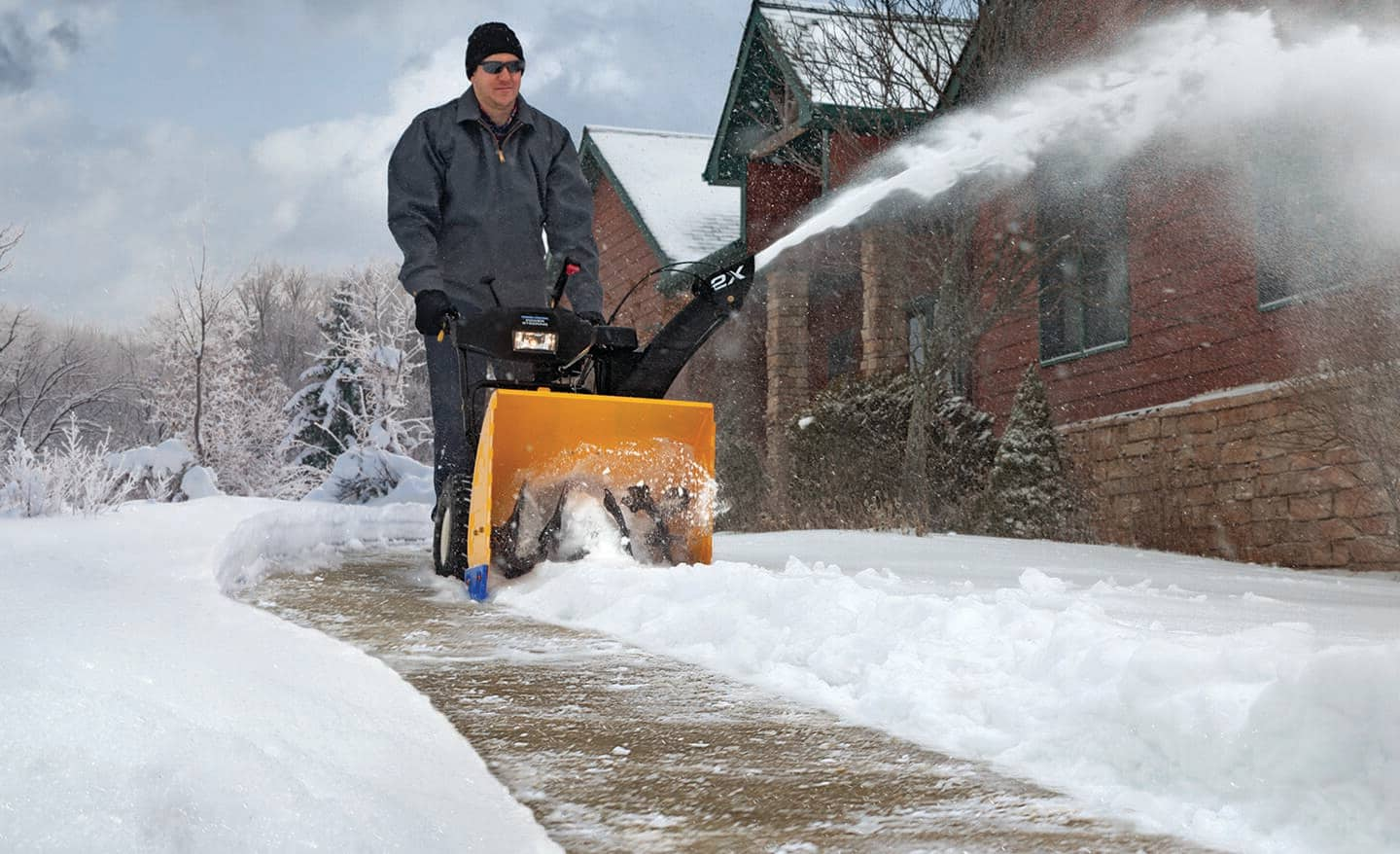
Clearing driveways with a snow blower requires some planning. Start by clearing a path down the center of the driveway. This gives you a base to work from.
Next, work your way outward, throwing the snow to the sides. This prevents the snow from piling up in the middle. Make sure the chute is directed away from your driveway and walkways.
Use a consistent, steady pace. Avoid rushing. This ensures even snow removal and prevents clogging. Be mindful of any obstacles like rocks or garden edges.
Handling Heavy Snowfall
Handling heavy snowfall can be challenging. Use a powerful snow blower to tackle thick snow. If the snow is very deep, remove it in layers. This prevents the snow blower from getting stuck.
Adjust the height of the snow blower to match the snow depth. This ensures efficient clearing without straining the machine. Use the slowest speed setting to handle heavy snow more effectively.
When clearing heavy snow, take breaks. This prevents overheating and ensures the machine runs smoothly. Keep an eye on the chute to avoid clogs. Clear any blockages immediately.
Consider using a de-icer to prevent ice buildup. This makes the snow easier to clear and improves traction.
Post-use Maintenance
Proper post-use maintenance of your snow blower ensures its longevity and efficiency. Regular care keeps your equipment in top shape for the next snow season. Below are essential steps for maintaining your snow blower after each use.
Cleaning The Snow Blower
After using your snow blower, removing any snow or debris is crucial. Follow these steps:
- Turn off the snow blower and disconnect the spark plug.
- Use a brush to clear snow from the chute and auger.
- Inspect and remove any debris trapped in the blades.
- Wipe down the exterior with a dry cloth to prevent rust.
Regular cleaning prevents blockages and ensures smooth operation.
Storage Tips
Proper storage is vital for your snow blower’s health. Here are some tips:
- Drain the fuel tank or add a fuel stabilizer.
- Lubricate the moving parts to prevent rust.
- Check and replace any worn-out parts.
- Store in a dry, sheltered place to avoid moisture damage.
Use a cover to protect your snow blower from dust and dirt.
Following these steps will keep your snow blower ready for the next snowfall.
Common Problems And Solutions
Using a snow blower can sometimes come with challenges. Understanding common problems and their solutions can make your snow removal tasks smoother. Here are some frequent issues and how to resolve them.
Clogged Chute
A clogged chute is a common problem. Snow buildup can block the chute, stopping snow from being expelled properly. To prevent this, clear snow regularly. Use a clean-out tool to remove snow. Never use your hands to clear a clogged chute. This is dangerous. Turn off the machine before clearing the chute. Apply a non-stick spray to the chute to reduce snow buildup.
Engine Issues
Engine problems can be frustrating. A common issue is the engine not starting. Check the fuel level first. Use fresh fuel. Old fuel can cause problems. Ensure the spark plug is clean and connected. Dirty or loose spark plugs can prevent the engine from starting. Another issue is the engine stalling. This can be due to a blocked fuel line. Check and clear any blockages. Regular maintenance is key to avoiding these issues.
Expert Tips For Longevity
Maintaining your snow blower is key to its longevity. Proper care ensures that your machine runs efficiently. Here are expert tips to help you get the most out of your snow blower. Follow these guidelines to keep your snow blower in top shape for many winters to come.
Regular Servicing
Regular servicing is crucial. Schedule maintenance checks before the winter season starts. This ensures your snow blower is ready for action.
- Oil Change: Change the oil after every 20 hours of use. Clean oil keeps the engine running smoothly.
- Spark Plugs: Inspect and replace spark plugs once a year. This ensures proper ignition.
- Air Filter: Clean or replace the air filter every season. A clean filter improves engine performance.
Regular servicing prevents unexpected breakdowns. It also extends the life of your snow blower.
Upgrading Parts
Upgrading parts can improve performance. It can also extend the life of your snow blower.
| Part | Upgrade Benefit |
|---|---|
| Skid Shoes | Metal skid shoes last longer than plastic ones. |
| Shear Pins | Hardened shear pins are more durable. |
| Impeller Kit | Improves snow throwing distance. |
Upgrading these parts can save you money on repairs. It also makes your snow blower more efficient.
In summary, regular servicing and upgrading parts are essential for longevity. Take care of your snow blower, and it will take care of you. Stay ahead of the game with these expert tips.
Frequently Asked Questions
How Do I Start A Snow Blower?
To start a snow blower, first check the fuel and oil levels. Then, set the choke to full, turn the key, and pull the starter cord. Once it starts, adjust the choke as needed.
What Type Of Fuel Is Used In Snow Blowers?
Most snow blowers use unleaded gasoline. Always check your manufacturer’s manual to confirm the recommended fuel type. Using the correct fuel ensures optimal performance and longevity of your snow blower.
How Do I Maintain My Snow Blower?
Regular maintenance includes checking and changing the oil, replacing spark plugs, and inspecting belts. Also, clean the snow blower after each use. Proper maintenance ensures your snow blower runs efficiently and lasts longer.
Can I Use A Snow Blower On Gravel?
Yes, but use a two-stage snow blower with adjustable skid shoes. This prevents the auger from picking up gravel. Adjust the skid shoes to keep the auger high enough to avoid gravel.
Conclusion
Operating a snow blower doesn’t have to be difficult. Follow these steps for success. Start with safety gear and check the weather conditions. Clear the area of obstacles. Use the machine in straight lines. Adjust the chute for proper snow direction.
Maintain your snow blower for long life. With practice, clearing snow becomes quick and easy. Keep these tips in mind and you’ll handle winter snow effortlessly. Happy snow blowing!

