

A snow blower helps clear snow from driveways and sidewalks. It does this efficiently and quickly.
In winter, snow can pile up fast. Shoveling can be tiring and time-consuming. This is where a snow blower comes in handy. But how does it work? Understanding the mechanics can help you use it better. A snow blower has a motor that powers an auger.
This auger scoops up the snow and throws it out of the way. Some models also have impellers for extra throwing distance. Knowing these basics can make your snow clearing tasks much easier. So, let’s dive into the details of how a snow blower works and what makes it so effective.
Introduction To Snow Blowers
Snow blowers are powerful machines designed to clear snow from areas. They are essential tools in regions with heavy snowfall. Understanding how they work helps you use them effectively. This section will cover the basics of snow blowers, including their history and importance in snow management.
Brief History
The first snow blower was invented in Canada. Arthur Sicard, a Montreal native, created it in 1925. His invention made clearing snow easier and faster. Over the years, snow blowers have evolved. Today, they come in various sizes and types. Each model serves different needs and preferences.
Importance In Snow Management
Snow blowers play a vital role in snow management. They help keep driveways, sidewalks, and roads clear. This ensures safe travel during winter months. Using a snow blower reduces manual labor. It also minimizes the risk of injuries related to shoveling snow. Here are some key benefits:
- Efficient snow removal
- Reduced physical strain
- Improved safety
- Time-saving
Snow blowers are important for both residential and commercial use. Homes and businesses alike benefit from these machines. They keep properties accessible and safe throughout the winter.

Types Of Snow Blowers
Snow blowers are essential tools for clearing snow from driveways, sidewalks, and other areas. They come in different types, each designed for specific snow clearing needs. Understanding the different types can help you choose the best one for your needs.
Single-stage
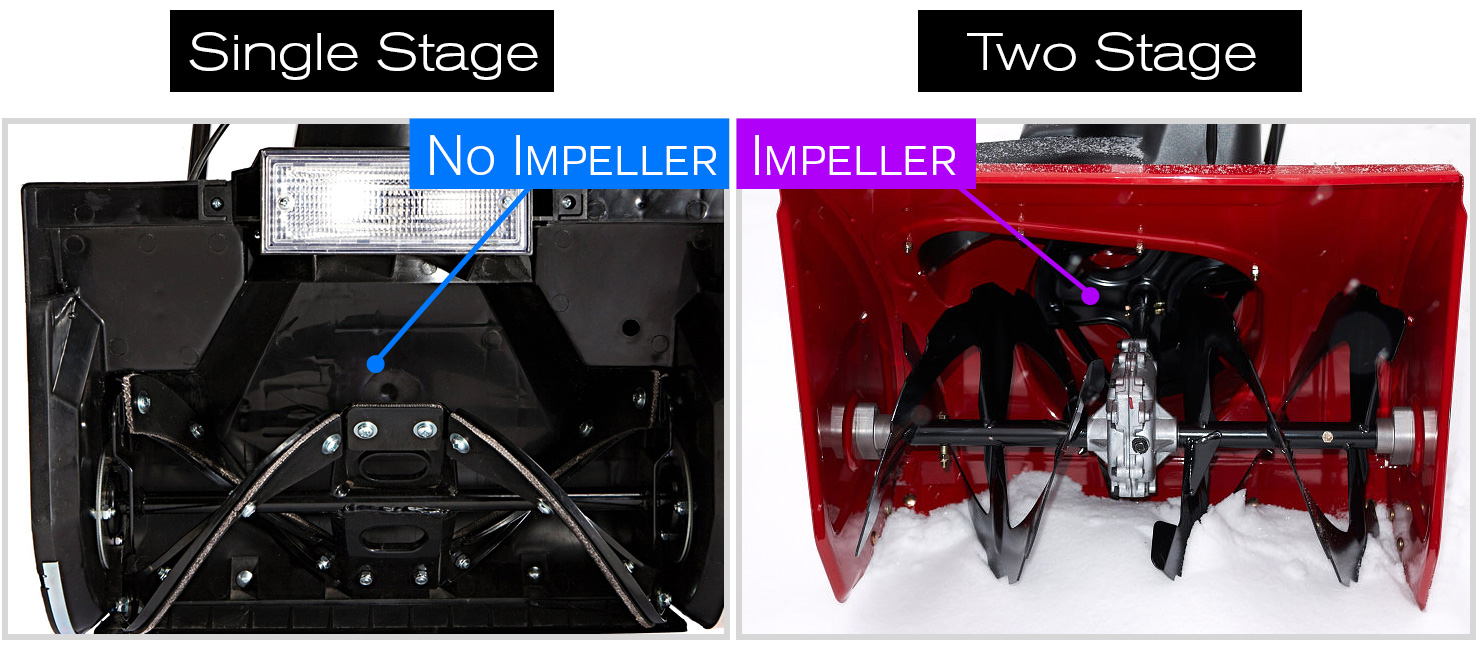
Single-stage snow blowers are lightweight and easy to use. They are perfect for light to moderate snowfalls. These machines have a single auger that scoops up the snow and throws it out of the chute in one motion. They are ideal for small driveways and walkways.
- Lightweight and easy to maneuver
- Best for light to moderate snow
- Suitable for small areas
Two-stage
Two-stage snow blowers are more powerful than single-stage models. They use an auger to collect the snow and a separate impeller to discharge it. This makes them suitable for heavy and wet snow. They are also equipped with larger tires for better traction on uneven surfaces.
- Powerful and efficient
- Handles heavy, wet snow
- Great for larger areas
Three-stage
Three-stage snow blowers are the most powerful option. They have an accelerator in addition to the auger and impeller. This third stage breaks down ice and heavy snow more efficiently. They are perfect for clearing large areas with deep snow.
- Most powerful option
- Breaks down ice and heavy snow
- Ideal for large areas
Core Components
Understanding the core components of a snow blower can help you use it more effectively. These parts work together to clear snow efficiently. Let’s look at the main components: the auger, the impeller, and the discharge chute.
Auger
The auger is the first part that contacts the snow. It consists of rotating blades at the front of the snow blower. The auger scoops up the snow and directs it towards the center of the machine. There are two types of augers:
- Single-stage augers: These handle light to moderate snowfalls.
- Two-stage augers: These are suitable for heavy and compacted snow.
Impeller
The impeller works with the auger to move snow through the machine. It is a fan-like component located behind the auger. The impeller spins quickly, helping to break up the snow and push it through the discharge chute. This process ensures the snow is thrown far away from the cleared path. Here’s a quick comparison of impeller types:
| Type | Use |
|---|---|
| Single-stage | Light snow |
| Two-stage | Heavy snow |
Discharge Chute
The discharge chute is the exit point for the snow. It directs the snow away from the cleared area. You can adjust the chute to control the direction and distance of the snow throw. This flexibility is essential for avoiding obstacles and ensuring the snow lands where you want it.
In summary, understanding the core components of a snow blower—the auger, impeller, and discharge chute—can help you use the machine more efficiently. Each part has a specific role, contributing to the snow blower’s overall performance.

Engine And Power Source
Understanding the engine and power source of a snow blower is crucial. It determines how efficiently the machine clears snow. Different engines and power sources offer various benefits. Let’s explore them in detail.
Gasoline Engines
Gasoline engines are powerful and reliable. They are common in larger snow blowers. These engines use gasoline to produce power. They can handle heavy, wet snow easily. Gasoline engines provide more torque. This means they can clear deep snow quickly. You need to maintain them regularly. Check oil levels and change spark plugs often. Gasoline engines are louder than electric motors. They also produce emissions. Ensure proper ventilation when using them.
Electric Motors
Electric motors are quieter and cleaner. They are great for small to medium jobs. These motors use electricity from a power outlet or battery. They require less maintenance than gasoline engines. No need to check oil or change spark plugs. Electric motors are easier to start. Just press a button or flip a switch. They are ideal for clearing light, fluffy snow. However, they may struggle with heavy, wet snow. Consider your snow clearing needs before choosing.
Auger Mechanics
The auger is the heart of a snow blower. It is a rotating blade that scoops up the snow. Understanding how it works helps in using the snow blower effectively.
Snow Intake
The auger begins its work with snow intake. As the machine moves forward, the auger blades cut through the snow. These blades are often made of steel or heavy-duty plastic. They are designed to handle different snow types. Wet, heavy snow or light, powdery snow, the auger takes it all in.
Snow Movement
Once the snow is inside, the auger keeps it moving. The rotating motion pushes the snow toward the center of the machine. From there, the snow moves up to the discharge chute. The auger’s design ensures continuous movement. This makes clearing the driveway or sidewalk quicker and easier.
Impeller Function
The impeller is a crucial component of a snow blower. It plays a key role in ejecting snow. Understanding how the impeller works can help you use your snow blower more effectively. Let’s break down its function.
Snow Ejection
The impeller’s main job is to eject snow from the machine. Snow first moves through the auger. The auger chops and pushes snow toward the impeller. The impeller then catches the snow and throws it out of the chute. This process clears snow from your path quickly and efficiently.
Throw Distance
Throw distance refers to how far the impeller can eject snow. Many factors affect throw distance. The impeller’s speed, the snow’s condition, and the chute’s direction all play a role. A powerful impeller can throw snow farther. This helps to clear large areas without needing to move the snow blower often. Proper maintenance of the impeller ensures optimal performance.
Discharge Chute Operation
The discharge chute is a crucial part of a snow blower. It directs where the snow goes. Understanding its operation helps in clearing snow efficiently. Let’s dive into how it works and what you need to know.
Directional Control
The directional control of the discharge chute determines where the snow is thrown. Most snow blowers have a handle or joystick for this. You can adjust the chute left or right. This helps in directing snow away from driveways and sidewalks.
Some snow blowers have a remote chute control. This feature allows you to adjust the chute direction while operating the machine. It adds convenience and saves time. Always make sure the chute is pointing in a safe direction before starting the blower.
Clog Prevention
Clogging can be a common issue with snow blowers. Wet, heavy snow can easily block the chute. To prevent clogs, keep the chute clean and free of debris. Regular maintenance is key.
Many snow blowers come with a clearing tool. Use it to remove snow from the chute safely. Never use your hands, as this can be dangerous. If the chute gets clogged, turn off the blower before attempting to clear it.
Some advanced models have an anti-clogging system. This system helps prevent blockages by monitoring snow flow. It adjusts the machine’s speed to keep snow moving smoothly.
Maintenance Tips
Regular maintenance is key to keeping your snow blower in top shape. Following a few simple tips can help extend its lifespan. You will also ensure it works efficiently during snow season.
Regular Inspection
Check your snow blower before and after each use. Look for loose bolts, worn-out belts, and damaged parts. Inspect the auger and impeller for any obstructions. Make sure the tires are properly inflated. This helps the machine move smoothly. Tighten any loose parts. Replace worn-out components promptly.
Lubrication And Storage
Lubricate the moving parts regularly. This includes the auger, impeller, and chute. Use the type of oil recommended by the manufacturer. Proper lubrication reduces friction. It also prevents rust and wear.
Store your snow blower in a dry place. Before storage, clean it thoroughly. Remove any snow and ice. This prevents rust and damage. Cover the machine with a protective cover. This keeps dust and dirt away. Disconnect the spark plug. This ensures safety during storage.
Safety Considerations
Operating a snow blower can be risky without knowing the right safety measures. Ensuring safe usage prevents accidents and keeps the machine in good condition. Here, we discuss proper usage and common hazards associated with snow blowers.
Proper Usage
To use a snow blower safely, follow these important steps:
- Read the manual: Always read and understand the user manual before using the snow blower.
- Wear protective gear: Use safety goggles, gloves, and sturdy boots to protect yourself.
- Check the area: Clear the area of any debris, rocks, or objects that could get stuck in the machine.
- Use proper fuel: Ensure you use the correct type of fuel as recommended by the manufacturer.
- Start the blower outside: Never start the snow blower in an enclosed space to avoid carbon monoxide buildup.
Common Hazards
Being aware of common hazards helps to avoid injuries and damages:
| Hazard | Prevention |
|---|---|
| Clogged Chute | Turn off the machine and use a cleaning tool to clear blockages. |
| Slippery Surfaces | Wear boots with good traction and take small steps. |
| Flying Debris | Ensure there are no loose objects in the path of the snow blower. |
| Exhaust Fumes | Operate the blower in well-ventilated areas. |
By following these safety considerations, you can operate your snow blower effectively and safely.
Frequently Asked Questions
How Does A Snow Blower Operate?
A snow blower uses an auger to collect snow and a fan to discharge it. The engine powers these components, making snow removal efficient.
What Are The Main Parts Of A Snow Blower?
A snow blower has an engine, auger, discharge chute, and impeller. These components work together to clear snow from surfaces.
Is A Snow Blower Easy To Use?
Yes, a snow blower is user-friendly. Most models come with simple controls and ergonomic designs for ease of use.
Can A Snow Blower Handle Wet Snow?
Yes, but performance may vary. Single-stage blowers struggle with wet snow, while two-stage models handle it better.
Conclusion
Understanding how a snow blower works can save you time and effort. This machine clears snow efficiently, keeping your pathways safe. Knowing its parts and functions helps in using it correctly. Regular maintenance ensures the blower works smoothly during winter.
Choose a snow blower that fits your needs and climate. With this knowledge, you can tackle snow with confidence and ease. Stay warm and enjoy a hassle-free winter season.

