

Your riding lawn mower won’t start. This can be frustrating.
There are several reasons why this might happen. Having a riding lawn mower that doesn’t start can ruin your day. It could be a simple fix, or something more serious. In this post, we will explore common issues that can prevent your mower from starting.
Understanding these problems can help you troubleshoot and get back to mowing. Whether it’s a battery issue, fuel problem, or a faulty spark plug, knowing the cause is the first step to fixing it. Let’s dive into the details and get your mower running again.
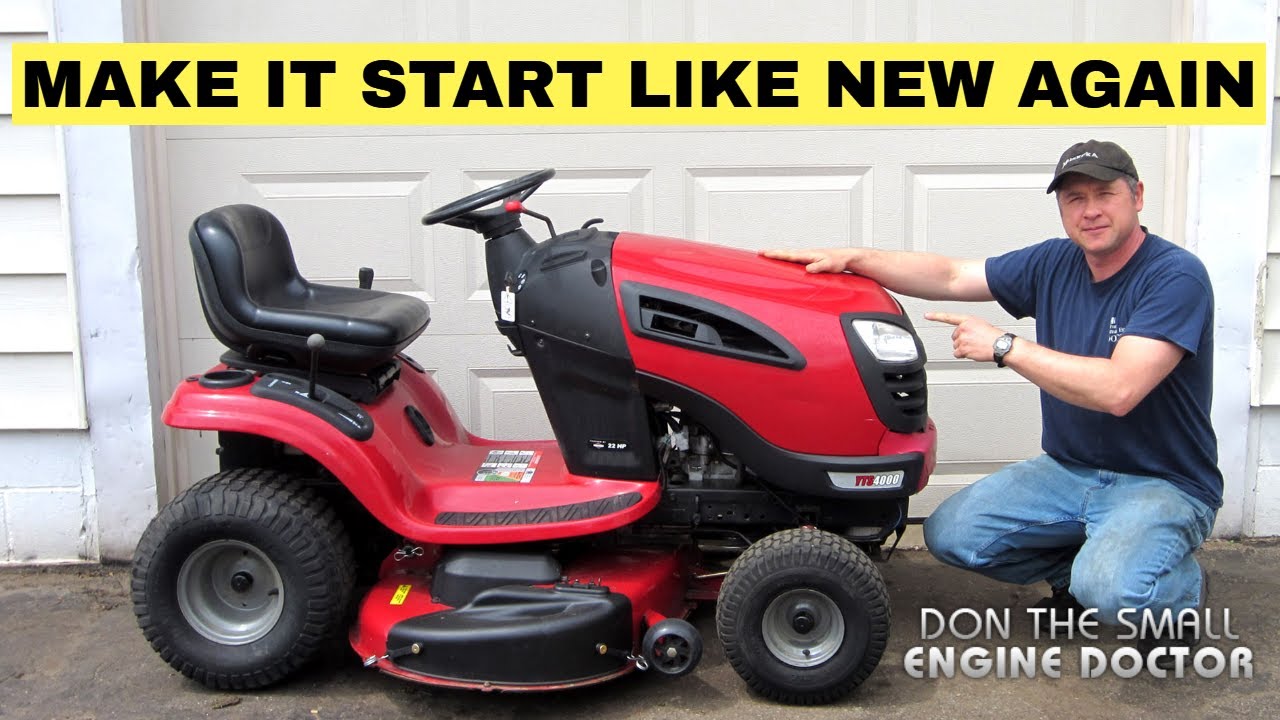
Common Reasons For Mower Issues
Is your riding lawn mower giving you trouble? You are not alone. Many people face issues with their mowers. Here are the most common reasons why your mower won’t start.
Empty Fuel Tank
An empty fuel tank is a simple but often overlooked issue. Check if there’s gas in the tank. Even if you filled it up recently, gas can evaporate over time.
To ensure your fuel tank is not the problem:
- Open the fuel cap and look inside.
- If it’s empty, fill it with fresh gasoline.
- Make sure the gas is not old or contaminated.
Old gas can cause issues. Always use fresh fuel for the best performance.
Dirty Air Filter
A dirty air filter can choke the engine. It restricts airflow and affects fuel combustion. This can prevent your mower from starting.
Follow these steps to check and clean your air filter:
- Locate the air filter cover.
- Remove the cover and take out the filter.
- Check if the filter is dirty or clogged.
- If dirty, clean it or replace it with a new one.
Keeping your air filter clean can improve the performance of your mower. It helps the engine breathe better.
Battery Problems
Is your riding lawn mower not starting? The battery might be the issue. Battery problems are common. They stop the mower from starting. Let’s explore the key steps to diagnose and fix this.
Checking Connections
First, ensure the battery connections are tight and clean. Loose or corroded connections can prevent the mower from starting. Follow these steps:
- Turn off the mower and remove the key.
- Locate the battery, usually under the seat or hood.
- Inspect the terminals for corrosion. A white, powdery substance indicates this.
- If corrosion is present, clean it with a wire brush or baking soda solution.
- Ensure all connections are tight. Wiggle the cables to check for looseness.
After securing the connections, try starting the mower again.
Testing The Battery
If the mower still doesn’t start, test the battery. A weak or dead battery can cause issues. Here’s how to test it:
- Use a voltmeter or multimeter.
- Set the device to measure DC voltage.
- Place the red probe on the positive terminal and the black probe on the negative terminal.
- A healthy battery should read around 12.6 volts. If the reading is below 12.4 volts, the battery may be weak.
If the battery is weak, try charging it with a battery charger. If it doesn’t hold a charge, you might need a replacement. Always follow the manufacturer’s instructions for battery maintenance and replacement.
Spark Plug Issues
One common issue that can prevent your riding lawn mower from starting is a problem with the spark plug. The spark plug is crucial for igniting the fuel and air mixture in the engine. If it’s not working properly, your mower won’t start. This section will guide you on how to inspect and replace the spark plug.
Inspecting The Spark Plug
First, you need to locate the spark plug. It’s typically on the side of the engine. Remove the spark plug wire by pulling on the boot, not the wire itself. Use a spark plug socket to remove the spark plug. Check the plug for any visible damage or wear.
Here are some things to look for:
- Carbon buildup: Black, sooty deposits.
- Oil fouling: Oily deposits on the plug.
- Electrode wear: The tip looks worn down or damaged.
If you see any of these signs, it’s time to replace the spark plug.
Replacing The Spark Plug
Replacing the spark plug is simple and can be done in a few steps:
- Purchase the correct spark plug for your mower. Check the owner’s manual for the specifications.
- Install the new spark plug. Hand-tighten it first to avoid cross-threading.
- Use a spark plug socket to tighten it snugly. Do not over-tighten.
- Reconnect the spark plug wire. Ensure it is firmly attached.
Once you have replaced the spark plug, try starting your mower again. If it still doesn’t start, there may be another issue.
Fuel System Troubles
Fuel system troubles are one of the main reasons your riding lawn mower won’t start. Issues with the fuel system can prevent the engine from getting the fuel it needs to run. Let’s explore two common fuel system problems that might be causing your mower’s startup woes.
Clogged Fuel Lines
Clogged fuel lines can stop fuel from reaching the engine. Dirt, debris, or old fuel can block the lines. Check the fuel lines regularly for signs of clogging. If you find any blockages, clean or replace the fuel lines to restore proper fuel flow.
Contaminated Fuel
Contaminated fuel can cause your mower to stall or not start at all. Water, dirt, and other impurities can enter the fuel tank. Always use clean, fresh fuel to avoid contamination. If you suspect contaminated fuel, drain the tank and refill it with fresh fuel.
Carburetor Challenges
One common reason your riding lawn mower won’t start is carburetor issues. The carburetor mixes air and fuel for the engine. If it’s not working right, your mower won’t start. The two main problems are a dirty carburetor or one that needs adjusting.
Cleaning The Carburetor
A dirty carburetor can block the fuel flow. This prevents the engine from starting. First, remove the carburetor from the mower. Use a carburetor cleaner to remove dirt and debris. Ensure all passages are clear. Reassemble and reinstall it back on the mower.
Regular cleaning keeps the carburetor in good shape. It ensures smooth fuel flow. Clean it every season or after heavy use. This prevents clogs and keeps your mower running well.
Adjusting The Carburetor
Sometimes, the carburetor needs adjusting. Incorrect settings can affect fuel mixture. This can stop the engine from starting. Find the adjustment screws on the carburetor. Use a screwdriver to turn them slightly. Check the mower’s manual for exact settings.
Start the engine and listen. If it runs rough, adjust the screws again. Make small adjustments until the engine runs smoothly. Proper adjustment helps the mower start easily. It also ensures better fuel efficiency.

Starter Motor Failures
Starter motor failures are a common reason your riding lawn mower won’t start. The starter motor plays a key role in igniting the engine. If it fails, the mower remains silent. Understanding and addressing these issues can get your mower running again.
Identifying Starter Issues
The first step is to identify if the starter is the problem. Listen for a clicking sound when you turn the key. A click means the starter is trying to work but failing. No sound at all could indicate a completely dead starter.
Check the battery and connections. A weak battery or loose connection can mimic starter problems. Ensure the battery is fully charged and connections are tight.
If the battery is fine, inspect the starter motor itself. Look for signs of damage or wear. Rust or corrosion on the terminals can also cause issues.
Fixing Or Replacing The Starter
Once you identify the problem, you can decide to fix or replace the starter. Start by cleaning any rust or corrosion on the terminals. Use a wire brush for this task.
If cleaning doesn’t work, you may need to replace the starter. Disconnect the battery before removing the old starter. This ensures safety during the process.
Install the new starter by following the reverse steps of removal. Reconnect the battery once the new starter is in place. Test the mower to see if it starts.
Fixing or replacing the starter can be a straightforward task. It often solves the issue of a non-starting lawn mower.
Ignition Switch Problems
One of the common reasons your riding lawn mower won’t start is due to ignition switch problems. The ignition switch is crucial for starting your mower. It sends a signal to the starter motor, allowing it to turn over the engine. If the ignition switch fails, the mower won’t start. Understanding and diagnosing these issues can save you time and frustration.
Testing The Ignition Switch
First, you need to test the ignition switch. Follow these steps:
- Turn off the mower and remove the key.
- Access the ignition switch by removing the panel.
- Use a multimeter to test the switch’s continuity.
Set the multimeter to the Ohms setting. Place the probes on the switch terminals. If you see a reading, the switch is working. If not, it needs replacing.
Replacing The Ignition Switch
If testing shows the ignition switch is faulty, replace it. Here’s how:
- Buy a compatible ignition switch for your mower model.
- Disconnect the battery to prevent electric shock.
- Remove the faulty switch by unscrewing it.
- Install the new switch in its place and secure it.
- Reconnect the battery and test the new switch.
These steps should help fix ignition switch problems. This will ensure your mower starts smoothly.

Routine Maintenance Tips
Experiencing trouble with your riding lawn mower starting? Regular maintenance like checking the battery and spark plugs can help prevent issues. Ensure fuel is fresh and clean to keep the engine running smoothly.
Routine maintenance is key to keeping your riding lawn mower running smoothly. Regular checks and proper care can prevent most starting issues. Follow these simple tips to keep your mower in top shape.Regular Inspection
Inspect your mower regularly. Check for loose bolts, worn belts, and dirty filters. Clean or replace the air filter. A clean filter ensures proper airflow and engine performance. Check the spark plug. A dirty or worn spark plug can prevent the engine from starting. Replace it if necessary. Look at the fuel system. Old or dirty fuel can cause starting problems. Use fresh fuel and check for any blockages in the fuel line. Inspect the battery. Ensure it is charged and the terminals are clean. Tighten any loose connections to avoid starting issues.Seasonal Tune-ups
Perform a seasonal tune-up before mowing season starts. Change the oil and oil filter. Clean oil keeps the engine lubricated and running smoothly. Sharpen the blades. Sharp blades make mowing easier and more efficient. Check the tire pressure. Properly inflated tires ensure even cutting and prevent damage to your lawn. Inspect the belts and replace any that show signs of wear. Worn belts can slip or break, causing the mower to stop working. By following these routine maintenance tips, you can avoid common problems and keep your riding lawn mower in excellent condition. Regular care and attention will ensure reliable performance every time you mow. “`Frequently Asked Questions
What Causes A Riding Lawn Mower Not To Start?
A riding lawn mower may not start due to a dead battery, bad spark plug, or clogged fuel line. Check these components first.
How Do I Know If My Mower Battery Is Dead?
You can test your mower battery with a multimeter. If the voltage is below 12. 6 volts, it might be dead.
Why Is My Mower Engine Not Turning Over?
Your mower engine might not turn over due to a faulty starter motor, solenoid, or ignition switch. Inspect these parts.
How Can I Fix A Clogged Fuel Line?
To fix a clogged fuel line, disconnect it and blow compressed air through it. Reconnect and test.
Conclusion
Troubles with starting your riding lawn mower can be frustrating. Check the battery first. Ensure fuel is fresh and clean. Examine the spark plug and air filter. Inspect the ignition switch and safety features. Regular maintenance helps prevent issues. If problems persist, seek professional help.
Proper care keeps your lawn mower running smoothly. Happy mowing!
