

Who invented the lawn mower? The answer is simple: Edwin Beard Budding.
He was an English engineer who created the first lawn mower in 1830. Imagine a time when lawns were cut by hand using scythes. It was hard work and took a lot of time. Edwin Beard Budding saw this and thought of a better way.
He studied a machine used to trim cloth in factories. With this idea, he built the first lawn mower. His invention made garden care easier and faster. This changed how people maintained their lawns. Today, lawn mowers are common in homes and parks, all thanks to Budding’s smart thinking. In this blog, we’ll dive deeper into Budding’s invention and its impact on our lives.

Introduction To Lawn Mowers
The lawn mower is a household tool many take for granted. Its invention changed lawn care forever. But who invented this essential garden tool? To understand, let’s first explore the history of lawn care.
Early Lawn Care Methods
Before lawn mowers, people used scythes and sickles. These tools required a lot of effort. Gardens and lawns were mostly maintained by hand. Wealthy estates employed many workers for this task. Maintaining a neat lawn was labor-intensive and time-consuming.
The Need For Lawn Maintenance
As cities grew, so did the desire for well-kept lawns. Public parks and private gardens became popular. A neat, green lawn became a status symbol. This increased the demand for better lawn care solutions. People needed a more efficient way to maintain their lawns.
The lawn mower was invented to meet this need. It allowed people to maintain their lawns with less effort. This invention made lawn care accessible to everyone. Today, it’s hard to imagine life without it.
The Inventor Of The Lawn Mower
The lawn mower, a common garden tool, has an interesting history. It was invented by Edwin Budding. He changed how we maintain lawns today. Let’s learn more about him and his invention.
Edwin Budding’s Background
Edwin Budding was born in England in 1796. He worked as an engineer and mechanic. Budding had a strong interest in machinery. He designed tools to make work easier. He also worked in the textile industry. This experience helped him invent the lawn mower.
Inspiration Behind The Invention
Budding found inspiration in the textile industry. He saw a machine that cut fabric evenly. This machine gave him an idea. He thought it could cut grass the same way. Budding then created the first lawn mower in 1830. His invention was a push mower with blades. It made lawn care simpler and more efficient.
| Key Points | Details |
|---|---|
| Inventor | Edwin Budding |
| Year of Invention | 1830 |
| Profession | Engineer and Mechanic |
| Inspiration | Textile industry cutting machine |
Budding’s invention has a lasting impact. Today, lawn mowers are used worldwide. They help keep our lawns neat and tidy. Thanks to Edwin Budding, lawn care is easier for everyone.
The First Lawn Mower Design
The first lawn mower design marked a significant step in gardening history. Edwin Beard Budding, an engineer from England, invented this groundbreaking tool in 1830. His invention transformed the laborious task of lawn maintenance into a more manageable chore. Let’s delve into the key features of his prototype and the challenges he faced during its creation.
Key Features Of The Prototype
Budding’s lawn mower had a simple yet effective design. It consisted of a cylindrical cutting reel and a rear roller. The cutting reel was made of sharp blades that rotated when pushed. This motion allowed the blades to cut grass evenly. The rear roller ensured a uniform cut and made the mower easy to push. Budding’s design also included gears. These gears helped transfer power from the roller to the cutting reel.
Challenges Faced
Creating the first lawn mower was no easy task. Budding had to address several issues. One major challenge was ensuring the blades remained sharp. Dull blades could damage the grass rather than cut it. Another challenge involved making the mower lightweight. A heavy mower would be difficult to push and use. Budding also needed to ensure the mower could cut grass evenly. Uneven cuts would make lawns look unattractive. Despite these challenges, Budding’s invention laid the foundation for modern lawn mowers.
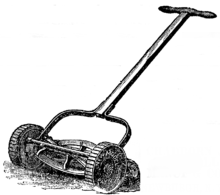
Patent And Initial Production
Edwin Beard Budding invented the lawn mower in 1830. His invention transformed lawn care, making it easier and more efficient. Early models looked like push reel mowers.
The lawn mower, a tool we often take for granted, has an interesting history. The journey from concept to production involved key steps and milestones. Let’s delve into the patent process and the initial manufacturing efforts.Securing The Patent
In 1830, Edwin Beard Budding, an engineer from England, invented the lawn mower. He saw the need for a machine to cut grass evenly. Budding designed his mower based on a cloth-cutting machine. He tested his invention on local fields and lawns. Confident in its potential, he decided to secure a patent. On August 31, 1830, Budding obtained the patent for his lawn mower. This patent protected his design and idea. It granted him exclusive rights to produce and sell the mower. Securing the patent was a crucial step for Budding. It marked the official recognition of his invention.First Manufacturing Efforts
After securing the patent, Budding partnered with John Ferrabee. Ferrabee owned a foundry in Stroud, Gloucestershire. Together, they began the production of the first lawn mowers. Their initial models were made of wrought iron. These early mowers were pushed by hand. The first lawn mowers were large and heavy. They were intended for sports grounds and large gardens. Despite the size, they gained popularity quickly. People appreciated the even cut and efficiency of the mowers. Budding and Ferrabee’s collaboration proved successful. The early success of the lawn mower set the stage for future improvements. Over time, the design evolved. New materials and features were introduced. But the fundamental concept remained the same. The lawn mower became an essential tool for maintaining lawns and gardens. “`Impact On Lawn Care
The invention of the lawn mower had a significant impact on lawn care. It changed how people maintained their lawns, making it easier and more efficient.
Revolutionizing Lawn Maintenance
The lawn mower made it possible to cut grass evenly. Before its invention, people used scythes and shears. These tools required much effort and time. With the lawn mower, maintaining a neat lawn became less labor-intensive. The machine’s sharp blades cut grass quickly and uniformly. This innovation allowed homeowners to achieve a well-manicured look with less effort. It also reduced the time spent on lawn care tasks.
Adoption By The Public
After the lawn mower’s invention, it quickly gained popularity. Many people saw its benefits and wanted one for their own lawns. As production increased, the price of lawn mowers decreased. This made them more accessible to the general public. Soon, having a lawn mower became a common household norm. The widespread use of lawn mowers changed neighborhood landscapes. Well-kept lawns became a symbol of pride and care. The ease of lawn maintenance encouraged more people to invest in their outdoor spaces.
Evolution Of Lawn Mowers
The lawn mower has a rich history. It has evolved significantly since its invention. Early models required much manual effort. Over time, technological advancements made lawn care easier and more efficient. This evolution reflects our desire for well-maintained green spaces. Let’s explore how lawn mowers have changed over the years.
Technological Advancements
Early lawn mowers were simple. They relied on human push power. Inventors sought ways to reduce effort. Steam-powered mowers appeared in the late 1800s. These were bulky and expensive. The 20th century brought gasoline engines. These made mowers more affordable. Electric mowers followed, offering quiet operation. Battery-powered models are the latest trend. They provide convenience and are eco-friendly.
Diverse Designs And Models
Lawn mowers come in many designs. Reel mowers were the first type. They use a rotating blade to cut grass. Rotary mowers became popular later. They have a single blade that spins horizontally. Hover mowers glide over the lawn. These are perfect for uneven surfaces. Robotic mowers are the newest innovation. They operate autonomously, saving time and effort. Each design caters to different needs and preferences.
Global Spread
The invention of the lawn mower transformed gardens across the globe. This simple machine made it easier to maintain lawns. Its popularity spread quickly from its origin country to many others.
Adoption In Different Countries
In the UK, the lawn mower became a status symbol. People wanted tidy lawns. It symbolized neatness and order. It soon traveled to the US. Here, it found a new market among suburban homeowners. Australia and New Zealand also embraced the mower. Their vast gardens made it essential.
In France and Germany, people loved their gardens. The mower became popular there too. It helped maintain their beautiful lawns. Japan saw a different kind of adoption. Their small, precise gardens needed a smaller, more efficient mower. It suited their unique gardening style.
Cultural Impact
The lawn mower changed how people viewed their gardens. It made lawn care easier. This led to the growth of garden clubs. People shared their tips and tricks. Competitions for the best lawn became common. It added a new social element to gardening.
In the US, the mower supported the rise of suburban culture. Neat lawns became a sign of a good neighborhood. In the UK, it kept traditional gardens looking their best. It helped maintain the beauty of historical homes and estates.
The lawn mower also influenced other inventions. Garden tools became more advanced. People wanted easier ways to care for their lawns. This push for innovation continued. It led to the development of new garden machinery. The lawn mower’s impact is still felt today.
Modern Lawn Mowers
The lawn mower has come a long way since its invention. Modern lawn mowers are more efficient, environmentally friendly, and easier to use. They also come with a variety of features to suit different needs. Let’s explore some of the current innovations and environmental considerations in the world of lawn mowers.
Current Innovations
Today’s lawn mowers are packed with cutting-edge technology. Here are some key innovations:
- Battery-powered mowers: These mowers are quieter and produce no emissions.
- Self-propelled mowers: They reduce the physical effort needed to mow your lawn.
- Smart mowers: These can be controlled via smartphone apps for convenience.
There are also robotic mowers that work autonomously. They can mow your lawn while you relax. These innovations make lawn care easier and more efficient.
Environmental Considerations
Environmental impact is a major concern today. Modern lawn mowers address this with several features:
- Electric mowers: These reduce carbon emissions compared to gas-powered models.
- Mulching capabilities: They help recycle grass clippings back into the lawn.
- Energy-efficient engines: These use less fuel and produce fewer emissions.
Choosing an eco-friendly mower helps protect the environment. It also ensures a healthier lawn. Consider these factors when selecting your next lawn mower.
Legacy Of Edwin Budding
Edwin Budding’s invention of the lawn mower changed the world of gardening. Born in 1796, Budding was an engineer and inventor. He designed the first lawn mower in 1830. This invention brought a new era for lawns and gardens.
Budding’s lawn mower featured a cutting cylinder. This was inspired by cloth-cutting machines. The mower made lawn maintenance easier and faster. His design laid the foundation for modern lawn mowers. Budding’s legacy lives on through his groundbreaking invention.
Recognition And Awards
Edwin Budding received recognition for his innovative work. His lawn mower design earned him several awards. The Royal Horticultural Society praised his invention. Budding’s contribution to gardening was widely acknowledged. His mower became popular across England and beyond.
Budding’s invention was awarded patents. This protected his unique design. It also encouraged further innovation in the field. Many celebrated Budding’s work during his lifetime. His mower remains a symbol of ingenuity and progress.
Influence On Modern Inventions
Budding’s lawn mower had a lasting impact on modern tools. His design inspired many other inventions. Lawn mowers today still use similar cutting technology. Budding’s work paved the way for powered mowers. These include electric and gas-powered models.
Modern gardening tools owe much to Budding’s invention. His mower set a standard for efficiency and ease. Many garden tools now focus on user-friendly designs. Budding’s influence reaches far beyond lawn mowers. His legacy continues in the tools we use today.
Frequently Asked Questions
Who Invented The Lawn Mower?
The lawn mower was invented by Edwin Budding in 1830. He was an engineer from England. His invention revolutionized lawn care.
Why Did Edwin Budding Invent The Lawn Mower?
Edwin Budding invented the lawn mower to cut grass on sports grounds. He aimed to create a more efficient method than using scythes.
How Did The First Lawn Mower Work?
The first lawn mower used a reel or cylinder design. It featured rotating blades that cut grass when pushed forward by the user.
When Was The Lawn Mower Patented?
The lawn mower was patented in 1830 by Edwin Budding. This patent marked the beginning of modern lawn care equipment.
Conclusion
The invention of the lawn mower changed how we care for our lawns. Edwin Budding’s creation in 1830 started it all. His idea made lawn care easier and more efficient. Now, we enjoy neat lawns with less effort. Lawn mowers have evolved since then, but Budding’s impact remains.
Understanding this history gives us appreciation for our modern tools. Next time you mow, remember the humble beginnings. Lawn care has come a long way, thanks to Budding’s invention.
