

Lawn mower maintenance can be tricky. One common question is: Which way does a lawn mower blade go on?
Installing a lawn mower blade correctly is crucial. The wrong way can damage your mower or lawn. Blades have a specific orientation for cutting efficiently. Usually, the blade’s sharp edge should face the ground. The curved part faces up, towards the mower deck.
This setup helps in lifting the grass for a clean cut. But why is it so important? Proper blade alignment ensures safety, better performance, and a healthier lawn. Let’s explore the details to make sure your lawn mower works at its best.

Importance Of Correct Blade Installation
Correct blade installation is crucial for safe and efficient lawn mowing. Installing the blade improperly can lead to various issues. These range from poor cutting performance to potential safety hazards.
Safety Concerns
Incorrectly installed blades can be dangerous. They can fly off during operation, causing injury. Ensure the blade is tightly secured to prevent accidents.
A loose blade might also damage the mower. This can be costly and time-consuming to repair. Always double-check the installation.
Optimal Performance
Proper blade installation ensures optimal cutting performance. A correctly installed blade cuts grass evenly. This results in a healthy and attractive lawn.
An improperly installed blade can tear grass. This leads to uneven patches and a poor lawn appearance. It also stresses the grass, making it prone to disease.
Follow the manufacturer’s instructions for the best results. This ensures the blade is aligned and secured properly.
| Benefit | Correct Installation | Incorrect Installation |
|---|---|---|
| Safety | Blade stays secure | Risk of blade flying off |
| Performance | Even grass cutting | Uneven grass cutting |
| Lawn Health | Healthy grass growth | Stressed grass |
Identifying The Blade’s Orientation
Understanding the correct orientation of a lawn mower blade is essential for proper lawn care. Incorrect installation can lead to poor performance and potential damage. Let’s explore how to identify the blade’s orientation.
Blade Design Features
Lawn mower blades have distinct design features that help determine their orientation. Look for these characteristics:
- Cutting Edge: This is the sharp edge of the blade. It should face the grass.
- Lift Wings: These are curved parts on the blade. They help lift grass for a clean cut. They should face the mower deck.
Top And Bottom Sides
The blade has a top and bottom side. Identifying these sides is crucial for correct installation:
| Feature | Top Side | Bottom Side |
|---|---|---|
| Markings | Often has brand and model information | Usually plain or less detailed |
| Blade Design | Lift wings face up | Cutting edge faces down |
Check for any stamps or writing on the blade. Words like “This Side Up” can be helpful.
Install the blade with the cutting edge facing the grass. Ensure the lift wings face the mower deck. This setup provides the best performance.
Tools Needed For Blade Installation
Installing a lawn mower blade can seem daunting. With the right tools, the job becomes easier. Knowing which tools are essential helps. This guide will help you gather everything you need.
Essential Tools
To install a lawn mower blade, you need several tools. First, grab a socket wrench. It helps you remove and install the blade bolt. A blade removal tool or clamp keeps the blade from moving. This tool ensures safety and precision. Finally, have a torque wrench. This tool ensures the blade is tightened correctly. Proper torque prevents accidents and extends blade life.
Safety Gear
Safety is a priority when working on lawn mowers. Always wear heavy-duty gloves. They protect your hands from sharp edges. Safety glasses shield your eyes from debris. Ear protection is also important. Lawn mowers can be loud. Protect your hearing with earplugs or earmuffs. Lastly, wear sturdy shoes. Avoid sandals or flip-flops. Proper footwear offers better grip and protection.
Steps To Remove The Old Blade
Changing a lawn mower blade can seem tricky. But it’s quite simple with the right steps. First, let’s talk about removing the old blade. This process involves some preparation and careful handling. Here are the steps to remove the old blade and make way for the new one.
Preparation Steps
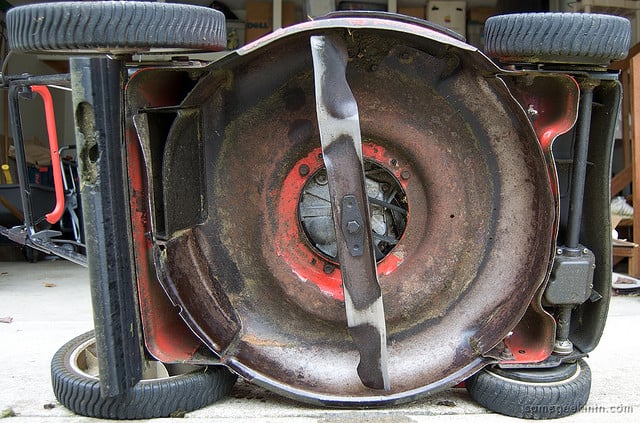
Before starting, gather the necessary tools. You will need gloves, a wrench, and a block of wood. Safety goggles are also a good idea. Begin by disconnecting the spark plug. This ensures the mower won’t start accidentally. Tilt the mower on its side, with the air filter facing up. This prevents oil and fuel leaks. Secure the mower to avoid tipping over. Place the block of wood between the blade and the mower deck. This will stop the blade from moving while you work.
Loosening The Blade
Now, it’s time to loosen the blade. Use the wrench to turn the blade bolt counterclockwise. This may require some force. If the bolt is stuck, apply some penetrating oil. Allow the oil to sit for a few minutes. Then, try loosening the bolt again. Once the bolt is loose, remove it completely. Carefully take off the blade. Remember, the blade edges are sharp. Handle it with care to avoid cuts.
With the old blade removed, you are ready for the next steps. The preparation and careful loosening make this process safe and efficient. Stay tuned for the next part on how to install a new blade.
Installing The New Blade
Installing the new blade on your lawn mower is vital for smooth operation. Proper installation ensures efficient cutting and extends the life of your mower. Follow these simple steps to install the new blade correctly.
Securing The Blade
First, position the blade on the mower. The cutting edge should face the grass. Align the bolt holes with the mower’s spindle. Carefully place the bolt through the blade and spindle.
Use a wrench to tighten the bolt. Ensure the blade sits flat against the spindle. Tighten the bolt securely, but don’t overdo it. Over-tightening can damage the blade or spindle.
Torque Specifications
Next, check the mower’s manual for torque specifications. Each mower has different requirements. Proper torque ensures the blade stays in place during operation.
Use a torque wrench to tighten the bolt to the specified level. This tool helps achieve accurate torque. Set the wrench to the recommended setting and tighten the bolt. Double-check the torque to ensure it’s correct.
Now, your new blade is securely installed and ready for use. Regular maintenance, including blade inspection, will keep your mower performing well.
Double-checking The Installation
Double-checking the installation of your lawn mower blade is crucial. It ensures the blade works efficiently and safely. Incorrect installation can lead to damage and poor performance. Let’s dive into the essential steps to verify your blade setup.
Blade Alignment
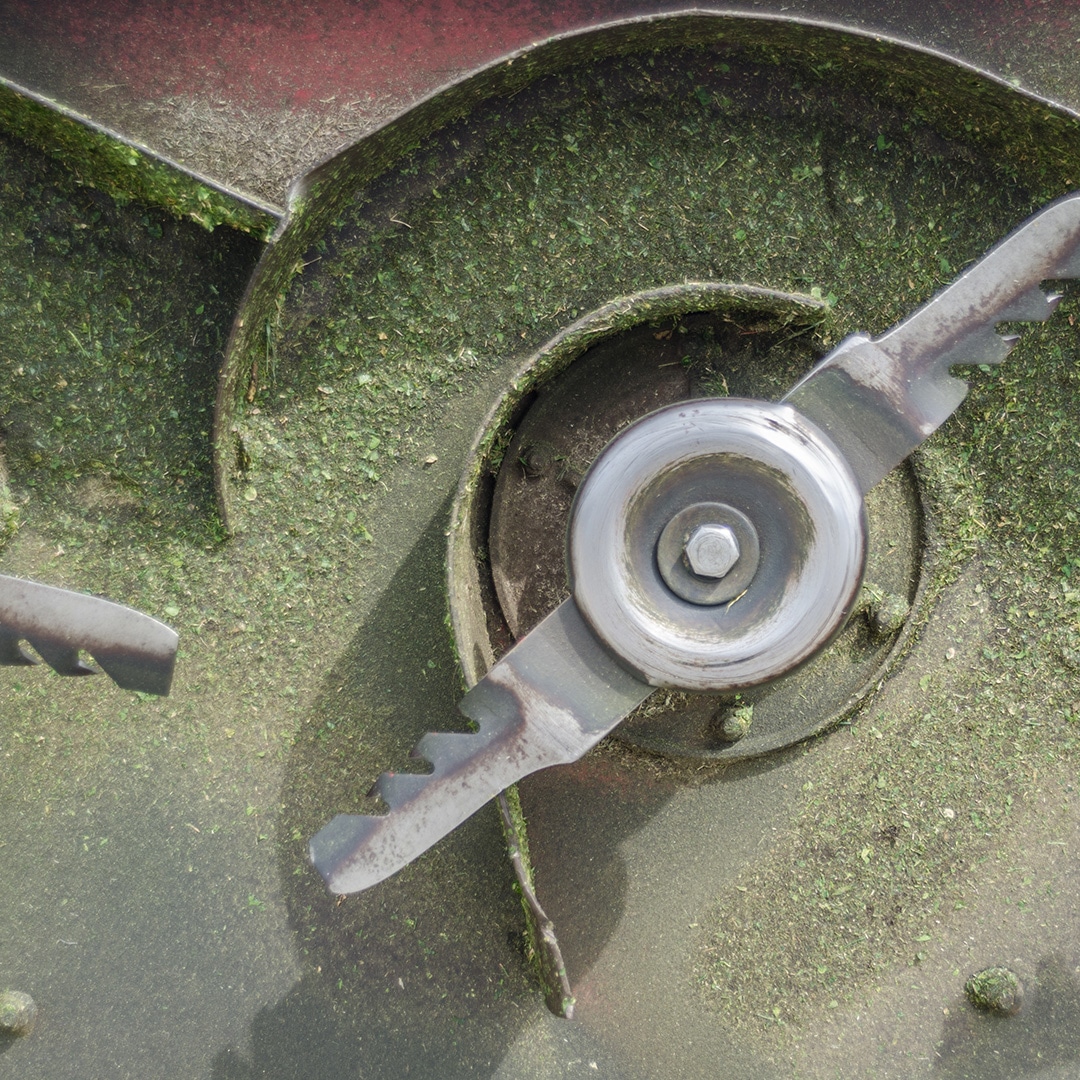
Make sure the blade is aligned correctly. The cutting edge should face the grass. The dull edge should face up towards the mower deck. This positioning ensures proper cutting and grass discharge.
Tightness Check
Check the tightness of the blade bolt. It should be snug but not overly tight. Use a torque wrench if available. Refer to the mower’s manual for the correct torque specification. A loose blade can be dangerous. An overly tight blade can damage the mower.
Common Mistakes To Avoid
Installing a lawn mower blade might seem simple. But many people make common mistakes. These errors can affect mower performance. They can even damage your mower. Let’s look at some common mistakes to avoid.
Incorrect Orientation
One common mistake is installing the blade upside down. The blade has a cutting edge and a dull edge. The cutting edge should face the grass. The dull edge faces the mower deck. If reversed, it won’t cut properly. Check the manual for guidance. Look for any markings on the blade. These usually indicate the correct orientation.
Over-tightening
Over-tightening the blade bolt is another mistake. It seems like tightening it more would be better. But it can damage the blade and the mower. Tighten the bolt according to the manufacturer’s specifications. Use a torque wrench if you have one. This ensures the bolt is tight enough, but not too tight. A properly tightened blade improves the mower’s performance.
Maintenance Tips For Lawn Mower Blades
Maintaining your lawn mower blades is crucial for a healthy lawn. Proper maintenance ensures a clean cut and extends the life of your mower. Here are some essential maintenance tips for lawn mower blades.
Regular Sharpening
Sharp blades are essential for an even cut. Dull blades tear grass, causing damage. Sharpen your blades after every 20-25 hours of mowing. Use a file or a bench grinder. Follow the original angle of the blade. This maintains the correct cutting edge.
Check for nicks and dents. Replace blades if they are too damaged. Sharp blades reduce the strain on your mower. This makes it run more efficiently. Regular sharpening also ensures a healthier lawn.
Periodic Inspections
Inspect your blades before each mowing session. Look for any signs of wear or damage. Clean the blades to remove debris and grass clippings. This helps in maintaining the sharpness.
Check for balance. An unbalanced blade can cause vibrations. This may damage the mower. Use a blade balancer to check balance. If needed, grind off small amounts from the heavier side. This ensures smooth operation.
| Inspection Task | Frequency |
|---|---|
| Check for damage | Before each use |
| Clean debris | Before each use |
| Check balance | Monthly |
Regular maintenance of your lawn mower blades ensures a clean, healthy lawn. Follow these tips for the best results.
Frequently Asked Questions
Which Way Up Does A Lawn Mower Blade Go?
The lawn mower blade should be installed with the sharp edge facing the grass and the dull edge facing the mower deck.
How Do I Know If My Lawn Mower Blade Is Upside Down?
Check the blade’s sharp edges; they should face the ground. Look for the manufacturer’s logo; it should be visible.
How To Install A Lawn Mower Blade?
Disconnect the spark plug. Secure the mower. Use a wrench to remove the old blade. Attach the new blade. Tighten securely.
Are Lawn Mower Blades Counterclockwise?
Most lawn mower blades rotate counterclockwise. Check your mower’s manual for confirmation. Ensure blades are installed correctly for optimal performance.
Conclusion
Knowing the correct way to install a lawn mower blade is crucial. It ensures proper cutting and extends the blade’s lifespan. Always check the blade’s orientation before installing. The sharp edge should face the grass. Regular maintenance keeps your mower running smoothly.
Follow these tips for a healthy, well-cut lawn. Happy mowing!
