

Choosing the right oil for your lawn mower is essential. It ensures smooth operation and longevity.
Your lawn mower, like any other machine, needs proper maintenance. The type of oil you use directly impacts its performance. Using the wrong oil can lead to engine damage, reduced efficiency, and costly repairs. Understanding the different types of oil available helps you make an informed decision.
This blog will guide you through various oil options, ensuring your lawn mower runs efficiently and lasts longer. By the end, you’ll know which oil is best for your mower and why it’s crucial to choose wisely. Let’s dive into the world of lawn mower oils and keep your machine in top shape!

Choosing The Right Oil
Choosing the right oil for your lawn mower is essential. It keeps your mower running smoothly and extends its life. The type of oil you need depends on the quality and type of engine. Let’s explore how to choose the best oil for your mower.
Importance Of Oil Quality
The quality of oil affects your mower’s performance. High-quality oil provides better lubrication and reduces engine wear. It also helps with heat dissipation, preventing your engine from overheating. Using low-quality oil can lead to engine damage and costly repairs.
Types Of Lawn Mower Engines
Lawn mowers come with different types of engines. Each type requires specific oil. Here are the common types:
- Two-Stroke Engines: These engines need a specific mix of oil and gasoline. They are usually found in smaller, handheld mowers.
- Four-Stroke Engines: These engines have separate compartments for oil and gasoline. They are common in larger, push, and riding mowers.
Check your mower’s manual for the recommended oil type. Using the correct oil ensures optimal performance and longevity of your lawn mower.
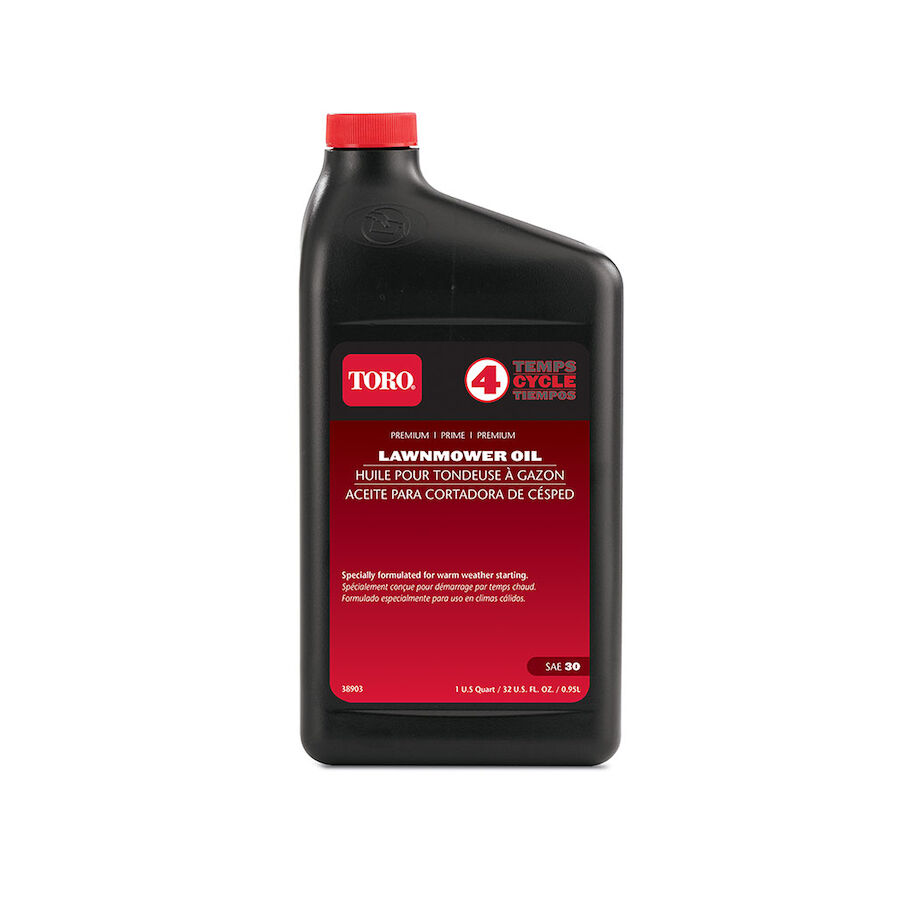
Types Of Oil
Choosing the right oil for your lawn mower is crucial. It helps keep the engine running smoothly. Different types of oil are available. Each has its own benefits and uses. Here are the main types of oil for your lawn mower.
Conventional Oil
Conventional oil is the most common type. It is made from crude oil. This oil offers good protection for your engine. It is also more affordable. Conventional oil is suitable for small engines. It works well in older lawn mowers. Regular oil changes are needed.
| Benefits | Considerations |
|---|---|
| Affordable | Needs frequent changes |
| Widely available | Less effective in extreme temperatures |
Synthetic Oil
Synthetic oil is man-made. It offers superior engine protection. This oil performs well in extreme temperatures. It lasts longer than conventional oil. It is more expensive but worth the price.
- Better performance in hot and cold weather
- Longer intervals between oil changes
- Reduces engine wear
Synthetic oil is ideal for high-performance mowers. It can also help extend the life of your engine.
Oil Viscosity Grades
Choosing the right oil for your lawn mower is crucial for optimal performance. Oil viscosity grades determine how well the oil will perform in different temperatures. This guide helps you understand these grades and pick the best one for your climate.
Understanding Sae Ratings
The Society of Automotive Engineers (SAE) sets the standards for oil viscosity grades. These ratings show the oil’s thickness at different temperatures. For example, SAE 30 is a common rating for lawn mowers. Lower numbers, like 10W-30, indicate the oil is thinner and better for cold starts. The “W” stands for winter, showing it’s suitable for lower temperatures.
Best Viscosity For Different Climates
Choosing the right oil depends on your local climate. Here’s a simple guide:
| Climate | Recommended Viscosity |
|---|---|
| Hot (Above 80°F or 27°C) | SAE 30 or 10W-30 |
| Cold (Below 40°F or 4°C) | 5W-30 or 10W-30 |
| Moderate (40-80°F or 4-27°C) | 10W-30 |
In hot climates, SAE 30 provides the best protection. In cold regions, 5W-30 helps with easy starts. For moderate temperatures, 10W-30 is versatile and reliable.
Seasonal Oil Recommendations
Choosing the right oil for your lawn mower is essential. It ensures your mower runs smoothly throughout the year. Different seasons require different oil types. This guide will help you select the best oil for summer and winter.
Summer Oil Choices
In summer, high temperatures can affect your lawn mower’s performance. It’s important to use oil that can withstand the heat.
- SAE 30: This is a common choice for warm weather. It provides good protection in temperatures above 40°F (4°C).
- 10W-30: This oil is versatile. It works well in both warm and cooler temperatures. However, it may consume more oil in hotter conditions.
- Synthetic 5W-30: This synthetic oil offers excellent protection. It works well in both high and low temperatures. It also reduces oil consumption.
Winter Oil Options
Cold weather demands a different type of oil. It’s crucial to use oil that performs well in low temperatures.
- 5W-30: This is a good choice for winter. It flows well at low temperatures. It ensures easy starts and effective lubrication.
- Synthetic 0W-30: This oil provides superior performance in extreme cold. It offers excellent flow and protection. It’s ideal for temperatures below 32°F (0°C).
- SAE 5W-20: This oil works well in cold weather. It ensures smooth starts and protects engine parts.
Using the right oil for each season helps maintain your lawn mower. It ensures optimal performance and extends the life of your equipment.
Synthetic Vs Conventional Oil
Choosing the right oil for your lawn mower is essential for its performance and longevity. One of the main decisions you will face is deciding between synthetic and conventional oil. Each type has its own benefits and ideal use cases. Below, we will explore these aspects to help you make an informed choice.
Benefits Of Synthetic Oil
Synthetic oil is engineered to provide superior lubrication. It reduces engine wear. This type of oil performs well in extreme temperatures. Cold starts and hot summers become less of a problem. It also lasts longer than conventional oil. You will need fewer oil changes, saving time and money.
Synthetic oil also keeps your engine cleaner. It prevents sludge and deposit build-up. Your lawn mower will run smoother and more efficiently.
When To Use Conventional Oil
Conventional oil is a good option for older lawn mowers. These engines often run well on the thicker viscosity of conventional oil. It is also cheaper than synthetic oil. If you are on a budget, conventional oil can be a cost-effective choice.
Conventional oil is sufficient for light-duty mowers. If you only mow a small yard, this type of oil will work fine. Regular oil changes are necessary to keep your engine in good shape.
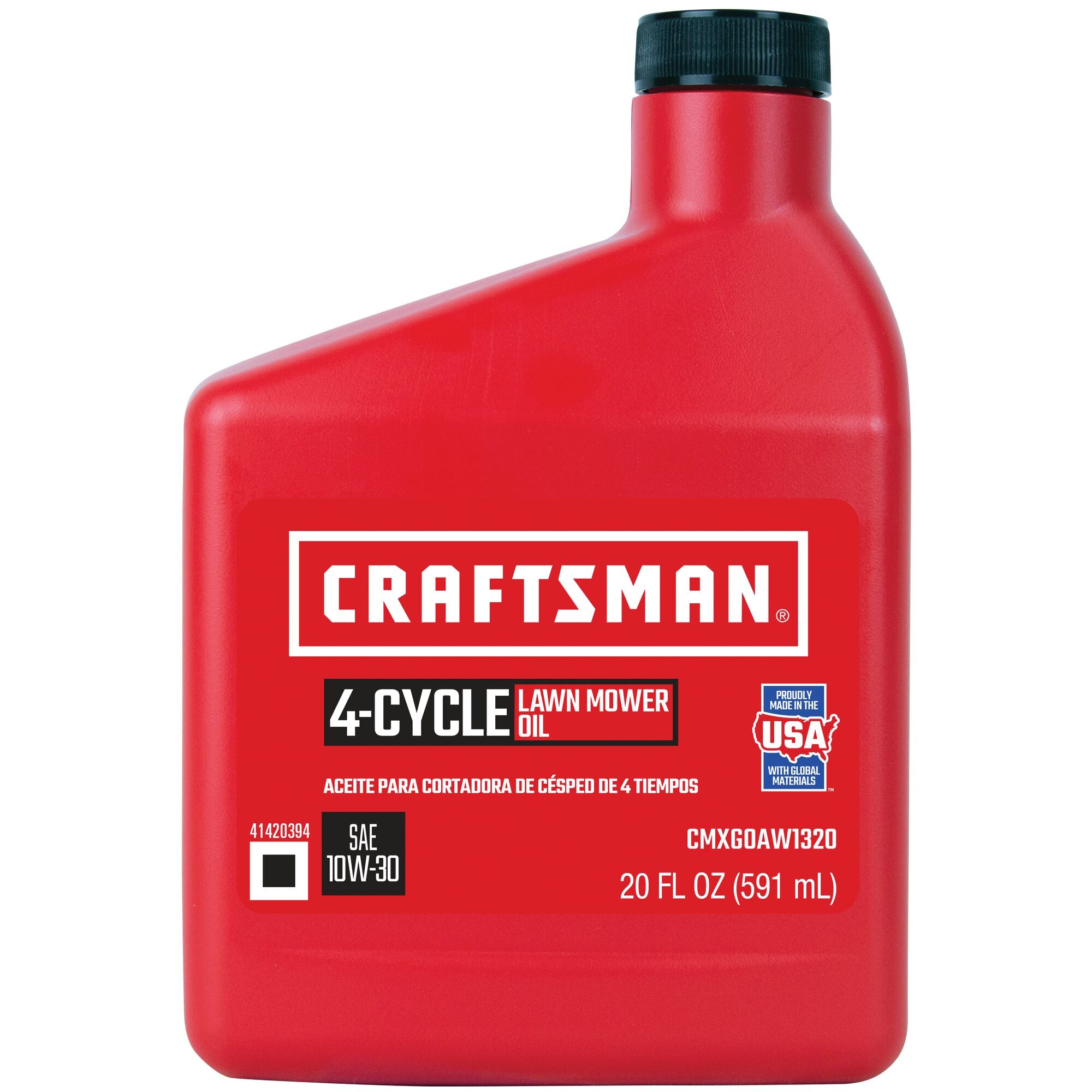
How To Change Lawn Mower Oil
Changing the oil in your lawn mower is essential for its longevity. Regular oil changes keep the engine running smoothly and efficiently. Here is a comprehensive guide on how to change lawn mower oil.
Step-by-step Guide
- Warm Up the Engine: Run the mower for a few minutes to warm up the oil. This makes it easier to drain.
- Disconnect the Spark Plug: Ensure safety by disconnecting the spark plug wire to prevent accidental starts.
- Drain the Old Oil: Tip the mower to its side and remove the oil cap. Let the oil drain into a container.
- Replace the Oil Filter: If your mower has an oil filter, remove and replace it with a new one.
- Refill with Fresh Oil: Add the recommended type and amount of new oil. Refer to your mower’s manual for specifics.
- Check the Oil Level: Use the dipstick to ensure the oil level is correct. Add more if necessary.
- Reconnect the Spark Plug: Reattach the spark plug wire.
- Run the Mower: Start the mower to circulate the new oil and check for leaks.
Tools Needed
- Wrench set
- Oil drain pan
- Funnel
- Rags
- New oil filter (if applicable)
- New oil (check your mower manual for the right type)
- Gloves
Changing your lawn mower oil is straightforward. Follow this guide to ensure your mower runs efficiently.
Maintaining Oil Levels
Keeping the right oil levels in your lawn mower is crucial. It helps in the smooth running and long life of your machine. Regular checks and maintenance are essential. Here’s how to ensure your lawn mower’s oil levels are always in check.
Checking Oil Levels
Regularly checking your mower’s oil levels is simple. First, make sure the engine is cool. This prevents burns and gives an accurate reading. Follow these steps:
- Locate the oil dipstick or oil fill cap.
- Remove the dipstick and wipe it clean.
- Reinsert the dipstick fully, then remove it again.
- Check the oil level against the markings on the dipstick.
If the oil level is between the low and high marks, it’s fine. If not, add oil as needed. Always use the type of oil recommended in your mower’s manual.
Signs Of Low Oil
Knowing the signs of low oil can prevent damage. Look for these signs:
- Engine Overheating: The engine gets too hot.
- Strange Noises: Unusual knocking or clattering sounds.
- Poor Performance: The mower runs sluggishly.
- Oil Warning Light: Some mowers have a light to indicate low oil.
If you notice any of these signs, check the oil level right away. Running the engine with low oil can cause serious damage.
Expert Tips
Choosing the right oil for your lawn mower can be tricky. Follow these expert tips to ensure you pick the best oil and avoid common mistakes. Proper oil maintenance will prolong the engine life of your mower.
Common Mistakes To Avoid
Many make simple mistakes when selecting lawn mower oil. Avoiding these can save you time and money:
- Using car oil: Car oil is not always suitable for lawn mowers. It can cause damage.
- Ignoring the manual: Always read your mower’s manual. It specifies the correct oil type.
- Skipping oil changes: Old oil can harm the engine. Change the oil regularly.
- Overfilling: Too much oil can cause leaks and damage. Use the right amount.
Prolonging Engine Life
Proper oil care can extend your lawn mower’s engine life. Follow these steps:
- Check oil level often. Ensure it is at the correct level before each use.
- Use high-quality oil. Cheap oils can harm the engine over time.
- Change oil filter. Replace the filter when changing oil to keep it clean.
- Store mower correctly. Keep it in a dry place to avoid oil contamination.
Here is a table for quick reference:
| Oil Type | Temperature Range |
|---|---|
| SAE 30 | 40°F and above |
| SAE 10W-30 | 0 – 100°F |
| SAE 5W-30 | -22°F and above |
By avoiding common mistakes and following these tips, your lawn mower will run smoothly for years.
Frequently Asked Questions
What Type Of Oil Is Best For Lawn Mowers?
The best oil for lawn mowers is SAE 30. It is ideal for small engines operating at high temperatures.
Can I Use Synthetic Oil In My Lawn Mower?
Yes, you can use synthetic oil. It provides better protection and performance, especially in extreme temperatures.
How Often Should I Change Lawn Mower Oil?
Change your lawn mower oil every 50 hours of use or annually. Regular maintenance ensures optimal performance.
What Happens If I Use The Wrong Oil?
Using the wrong oil can damage the engine. It may lead to poor performance and reduced lifespan.
Conclusion
Choosing the right oil for your lawn mower is crucial. It ensures smooth operation and extends engine life. Always check your mower’s manual for specific recommendations. Synthetic oil works well in most conditions. Regular maintenance keeps your mower running efficiently.
So, choose wisely and keep your lawn looking great. Proper oil selection and care make a big difference. Happy mowing!
