

A lawn mower needs the right oil to run smoothly. But which type is best?
This can be confusing for many. Using the right oil ensures your lawn mower works efficiently. The wrong oil can harm the engine, reducing its lifespan. Different mowers might need different oils. So, it’s crucial to know which type your mower requires.
In this guide, we’ll explain the different types of oils available. We’ll also help you choose the best one for your lawn mower. By the end, you’ll know exactly what your mower needs. Let’s dive in and keep your mower running perfectly!
Types Of Lawn Mower Engines
Choosing the right oil for your lawn mower is vital. It depends on the type of engine your mower has. Understanding the differences between two-stroke and four-stroke engines helps you make the right choice. Let’s dive into the specifics of each type.
Two-stroke Engines
Two-stroke engines are common in smaller, handheld lawn mowers. They are lightweight and simple. These engines complete a power cycle in two strokes of the piston. Because of this, they are powerful despite their size.
In a two-stroke engine, you mix oil with the gasoline. This blend lubricates and powers the engine. It is essential to use the correct oil-to-gas ratio. Typically, a 50:1 or 40:1 ratio is recommended. Always check your mower’s manual for the exact ratio.
Use two-stroke oil specifically designed for these engines. This oil burns clean and reduces deposits. It also protects the engine from wear. Using the right oil extends the life of your mower and ensures efficient operation.
Four-stroke Engines
Four-stroke engines are found in larger, more powerful lawn mowers. These engines have separate compartments for oil and gasoline. They complete a power cycle in four strokes of the piston. This results in smoother and quieter operation.
For four-stroke engines, you need SAE 30 oil in warm weather. In colder climates, use 10W-30 oil. Always check the viscosity rating in your mower’s manual. Regularly check and change the oil to keep the engine in good condition.
Maintaining a four-stroke engine involves more steps. Regular oil changes and using high-quality oil are key. This ensures the engine runs smoothly and lasts longer. Below is a quick comparison:
| Aspect | Two-Stroke Engine | Four-Stroke Engine |
|---|---|---|
| Oil Type | Two-stroke oil | SAE 30, 10W-30 |
| Fuel Mix | Oil and gas mixed | Separate oil and gas |
| Maintenance | Simple | Moderate |
Knowing the type of engine in your lawn mower helps you choose the right oil. This keeps your mower running efficiently and extends its lifespan.
Importance Of Using The Right Oil
Choosing the right oil for your lawn mower is crucial. It ensures your mower runs smoothly and lasts longer. Using the wrong oil can damage your mower’s engine. Let’s explore why using the right oil is so important.
Engine Performance
The right oil helps your lawn mower’s engine perform its best. Different oils have different viscosities. This affects how well they lubricate the engine’s moving parts.
Using the correct oil reduces friction. It keeps the engine parts from wearing out too fast. With the right oil, your mower will start more easily. It will also run more quietly.
Temperature also plays a role. Certain oils work better in different temperatures. Using the right oil for the season helps keep the engine in good shape.
Longevity Of The Mower
The right oil extends the life of your lawn mower. Regular oil changes with the correct oil prevent sludge buildup. Sludge can clog engine parts and cause damage.
Proper lubrication protects the engine from overheating. Overheating can lead to serious damage and expensive repairs.
Using the right oil also maintains the mower’s efficiency. An efficient mower uses less fuel and cuts grass more effectively.
Here is a simple table to show some common oil types and their benefits:
| Oil Type | Benefits |
|---|---|
| SAE 30 | Good for warm weather, enhances performance |
| 10W-30 | All-season oil, improves cold start performance |
| Synthetic | Offers better protection, extends engine life |
By choosing the right oil, you keep your mower running well. Your lawn will thank you, and so will your wallet.
Conventional Vs. Synthetic Oil
Choosing the right oil for your lawn mower can be confusing. The debate often boils down to conventional vs. synthetic oil. Each type has its pros and cons. Understanding these can help you make an informed decision.
Benefits Of Conventional Oil
Conventional oil is a popular choice for many lawn mower owners. It is derived from crude oil and has been used for decades. Here are some benefits:
- Cost-effective: It is usually cheaper than synthetic oil.
- Readily available: You can find it in most stores.
- Sufficient for older models: Many older mowers run well on conventional oil.
Advantages Of Synthetic Oil
Synthetic oil is engineered to offer superior performance. It is made through a complex process that enhances its properties. Here are some advantages:
- Better protection: It provides better engine protection under extreme conditions.
- Longer intervals: You can go longer between oil changes.
- Cleaner engine: Synthetic oil reduces deposits and sludge.
Choosing between conventional and synthetic oil depends on your needs. Consider the age of your lawn mower and the conditions it operates in. This can guide you to make the best choice.
Recommended Oil Grades
Choosing the right oil for your lawn mower ensures it runs smoothly. Different oil grades suit different engines and climates. Below, we discuss the recommended oil grades for lawn mowers.
Sae 30
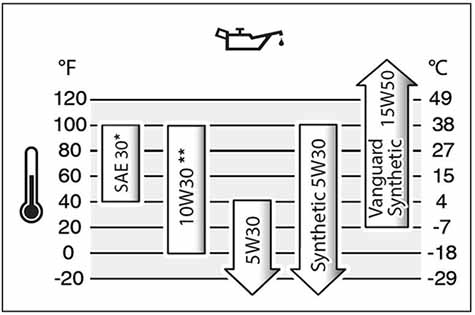
SAE 30 oil is ideal for warmer temperatures. It provides excellent protection for small engines. This oil grade is perfect for push mowers. It keeps the engine running efficiently. SAE 30 is a single-grade oil. It works best in temperatures above 40°F. If you live in a warm climate, SAE 30 is a good choice.
10w-30
10W-30 oil is versatile. It works in a wide range of temperatures. This multi-grade oil is perfect for varying weather conditions. It provides good protection in both hot and cold climates. 10W-30 also helps with easy starts in colder weather. This oil grade is suitable for most modern lawn mowers. It ensures the engine runs smoothly year-round.
Seasonal Considerations
Choosing the right oil for your lawn mower is important. Different seasons affect how the oil performs. Knowing what oil to use in summer and winter will keep your mower running smoothly. Let’s explore the best oil types for each season.
Summer Use
During the summer, the weather is hot. This affects the oil in your lawn mower. SAE 30 oil is great for summer use. It works well in temperatures above 40°F (4°C). This oil type keeps the engine cool and lubricated.
For high temperatures, you might consider SAE 10W-30. This oil type is versatile. It works in different temperatures. It also provides better performance and protection. Always check your lawn mower’s manual. Make sure you use the recommended oil type for summer.
Winter Use
Winter brings cold weather. This affects your lawn mower’s oil. SAE 5W-30 is ideal for winter. It performs well in temperatures below 32°F (0°C). This oil flows better in cold weather. It ensures easy starts and proper lubrication.
Another good option is SAE 10W-30. It works in both cold and warm temperatures. This makes it a good choice for year-round use. Always check your lawn mower’s manual. Use the recommended oil type for winter to avoid engine damage.
| Season | Recommended Oil Type | Temperature Range |
|---|---|---|
| Summer | SAE 30 | Above 40°F (4°C) |
| Summer | SAE 10W-30 | Above 40°F (4°C) |
| Winter | SAE 5W-30 | Below 32°F (0°C) |
| Winter | SAE 10W-30 | Below 32°F (0°C) |
Checking And Changing The Oil
Maintaining your lawn mower is essential to keep it running smoothly. One key task is checking and changing the oil. This simple process ensures the engine stays lubricated, preventing damage. Let’s break it down into easy steps.
How To Check Oil Levels
Start by placing the lawn mower on a flat surface. Locate the oil dipstick, usually near the engine. Pull out the dipstick and wipe it clean with a cloth. Insert it back into the tube and pull it out again. Check the oil level on the dipstick. It should be between the full and add marks. If the oil is low, top it up. Use the type of oil recommended by the manufacturer.
Steps To Change The Oil
First, run the engine for a few minutes. This warms the oil, making it easier to drain. Turn off the engine and disconnect the spark plug wire. Place a container under the oil drain plug. Remove the plug and let the oil drain completely. Once drained, replace the plug. Now, add fresh oil through the oil fill cap. Use a funnel to avoid spills. Check the oil level with the dipstick. Do not overfill. Reconnect the spark plug wire. You’re done!
Common Mistakes To Avoid
Maintaining your lawn mower is essential for its longevity and performance. But many people make common mistakes that can damage the engine. Below, we discuss these mistakes and how to avoid them.
Using The Wrong Oil
One of the most frequent errors is using the wrong type of oil. Lawn mowers need specific oils to run smoothly. Using the wrong oil can harm the engine.
Refer to your lawn mower’s manual to know the correct oil type. Generally, SAE 30 oil is recommended for warmer temperatures. For colder climates, SAE 10W-30 or synthetic oil works better.
Using the wrong oil can lead to poor lubrication. This causes engine wear and tear. Over time, this mistake can ruin your lawn mower.
Skipping Regular Maintenance
Regular maintenance is crucial for a lawn mower’s health. Skipping maintenance can cause many problems.
Check the oil level before each use. Make sure it is at the right level. Running a lawn mower with low oil can damage the engine.
Change the oil regularly as per the manual’s recommendation. Usually, it’s advised to change the oil every 50 hours of use or at least once a season.
Other maintenance tasks include:
- Cleaning or replacing the air filter
- Checking the spark plug
- Sharpening the blades
Skipping these steps can lead to poor performance and engine issues.
Tips For Maintaining Your Lawn Mower
Maintaining your lawn mower is vital for its longevity and efficiency. Regular upkeep ensures your machine runs smoothly and cuts grass perfectly. Follow these simple tips to keep your lawn mower in top shape.
Regular Cleaning
Clean your lawn mower after every use. Remove grass clippings from the blades and the undercarriage. This prevents rust and keeps the blades sharp. Use a brush or hose to clean hard-to-reach areas. Dry the mower thoroughly to avoid moisture damage.
Storing Properly
Store your lawn mower in a dry, cool place. Avoid leaving it outside, exposed to the elements. Use a cover to protect it from dust and dirt. Ensure the fuel tank is empty before storing for long periods. This prevents gum deposits and fuel degradation.
Frequently Asked Questions
What Type Of Oil Is Best For Lawn Mowers?
SAE 30 is ideal for most lawn mowers. It’s suitable for warmer temperatures. For varying temperatures, use SAE 10W-30.
Can I Use Car Oil In My Lawn Mower?
Car oil, like SAE 30 or 10W-30, can be used in lawn mowers. Check your manual first.
How Often Should I Change Lawn Mower Oil?
Change the oil every 25-50 hours of use. For push mowers, change annually. Follow the manufacturer’s recommendation.
What Happens If I Use The Wrong Oil?
Using the wrong oil can cause engine wear, overheating, and damage. Always use the recommended oil type.
Conclusion
Choosing the right oil keeps your lawn mower running smoothly. Regularly check your mower’s manual for oil type and maintenance tips. Always use high-quality oil to prolong your mower’s life. Proper oil ensures efficient performance and reduces wear. Don’t forget to change the oil as recommended.
This simple task prevents costly repairs. Keep your lawn looking great with a well-maintained mower. Happy mowing!
