

Testing a lawn mower coil ensures your mower runs smoothly. A faulty coil can cause many issues.
A lawn mower’s ignition coil is vital for starting the engine. If your mower isn’t starting, the coil might be the problem. Knowing how to test it can save you time and money. This guide will show you easy steps to check your lawn mower coil.
By following these steps, you can identify if the coil is the issue. Fixing it yourself can be simple and rewarding. Let’s dive into the process and get your lawn mower back in top shape.
Tools And Materials Needed
Testing a lawn mower coil requires specific tools and materials. This section will cover the necessary items to get started. Having the right tools and materials on hand ensures a smooth and efficient testing process.
Essential Tools
- Multimeter: A multimeter helps measure voltage, resistance, and current. It’s crucial for checking the coil’s electrical output.
- Socket Wrench Set: A socket wrench set is needed to remove and reattach parts of the mower.
- Feeler Gauge: A feeler gauge measures the gap between the flywheel and coil. Accurate measurement is essential for proper functioning.
- Screwdrivers: Both flathead and Phillips screwdrivers are necessary for loosening and tightening screws.
Additional Materials
- Safety Gear: Wear gloves and safety glasses to protect yourself while working.
- Cleaning Supplies: Use a cloth and cleaner to wipe away dirt and debris from the coil and surrounding parts.
- Replacement Parts: Have spare spark plugs and ignition coils in case any parts need replacing.
- Manual or Guide: Keep the lawn mower’s manual handy for reference. It often contains valuable information about the coil and other components.
With these tools and materials, you are ready to test your lawn mower coil effectively. Proper preparation ensures accurate results and a well-functioning mower.
Locating The Coil
Before you can test your lawn mower coil, you need to locate it. The coil is essential for your mower’s ignition system. Finding it can sometimes be tricky, but with the right steps, you can do it easily.
Identifying Coil Position
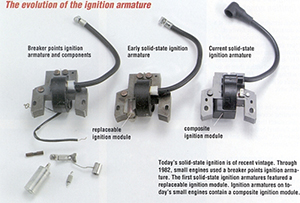
To start, you need to identify the position of the coil. The coil is usually near the engine and connected to the spark plug. Check your mower’s manual for a diagram. This can help you see where the coil is located.
Look for a small, square or rectangular part. It’s often covered by a protective casing. The coil will have wires leading to it, which makes it easier to spot.
Accessing The Coil
Once you know where the coil is, you need to access it. First, turn off your lawn mower and disconnect the spark plug wire. This ensures safety while working on the mower.
Next, remove any covers or shrouds that protect the coil. Use a screwdriver to unscrew these parts. Keep the screws in a safe place so you can reassemble everything later.
After removing the covers, you should see the coil clearly. It will be a small, box-like part with wires attached. Gently move the wires aside to get a better view.
Now you are ready to test the coil. Make sure you have all your tools ready for the next steps.
Preparing For Testing
Before testing your lawn mower coil, proper preparation is essential. Ensuring the coil is in optimal condition makes the testing process smoother. Follow these steps to get your lawn mower ready for coil testing.
Disconnecting The Spark Plug
First, disconnect the spark plug. This step is crucial for safety. It prevents the mower from accidentally starting. Locate the spark plug wire and pull it off the plug. Use a spark plug wrench if needed. Ensure the wire is clear of the plug during testing.
Cleaning The Coil Area
Next, clean the coil area. Dirt and debris can affect testing accuracy. Use a soft brush to remove any buildup around the coil. A clean cloth can also help. Ensure the area is completely clean before proceeding. This step ensures accurate test results.

Using A Multimeter
Testing a lawn mower coil with a multimeter is a reliable method. This process helps determine if the coil is functioning correctly. By following a few simple steps, you can ensure your lawn mower runs smoothly.
Setting Up The Multimeter
First, turn the multimeter to the ohms setting. This setting measures resistance. Make sure the multimeter is set to the lowest ohms range. This is usually marked as 200 ohms. Next, connect the multimeter probes to the multimeter. The black probe goes into the COM port. The red probe goes into the VΩ port.
Testing The Coil’s Primary Windings
Locate the primary windings on your lawn mower coil. These are the two small terminals on the coil. Touch the black probe to one terminal. Touch the red probe to the other terminal. The multimeter should show a reading. If it shows infinite resistance or zero, the coil is faulty. A good coil usually shows resistance between 0.3 and 1 ohms.
Interpreting Results
Interpreting the results of testing your lawn mower coil is crucial. It helps you understand the condition of your coil and ensures your lawn mower runs efficiently. In this section, we will discuss how to read and understand the results from your coil test. We will also determine the condition of your coil based on these readings.
Understanding Resistance Readings
First, use a multimeter to measure the resistance of the coil. Set the multimeter to the ohms setting. Connect the multimeter probes to the coil terminals. Note the resistance reading displayed on the multimeter.
The resistance reading should fall within the range specified by the manufacturer. Typically, this range is between 2,500 and 5,000 ohms. Check your lawn mower’s manual for the exact range. If the reading is outside this range, your coil might be faulty.
Determining Coil Condition
After understanding the resistance reading, you can determine the condition of your coil. If the resistance is within the specified range, your coil is in good condition. The lawn mower should start and run smoothly.
If the resistance is too high, it indicates a possible break in the coil winding. If the resistance is too low, it might suggest a short circuit within the coil. Both conditions mean the coil needs replacement.
Regularly check the coil to maintain your lawn mower’s performance. Replace a faulty coil to ensure your lawn mower runs efficiently.
Alternative Testing Methods
Testing your lawn mower coil is essential to ensure it functions correctly. Two effective methods for testing the coil are the Spark Test Method and the Bench Test Method. Each method provides a clear indication of the coil’s health and performance.
Spark Test Method
The Spark Test Method is a quick way to check the coil’s functionality. Here’s how you can perform it:
- Remove the spark plug from the engine.
- Reconnect the spark plug to the ignition cable.
- Ground the spark plug against a metal part of the engine.
- Pull the starter cord and watch for a spark at the plug’s tip.
If you see a spark, the coil is functioning well. If there is no spark, the coil may be faulty.
Bench Test Method
The Bench Test Method involves using a multimeter to measure the coil’s resistance. Follow these steps:
- Remove the coil from the lawn mower.
- Set your multimeter to the ohms setting.
- Measure the resistance between the primary terminals. The reading should be in the range specified in your manual.
- Measure the resistance between the secondary terminal and the ground. Again, compare the reading to the manual’s specifications.
Check the readings against the manufacturer’s specifications. If they fall outside the specified range, the coil is likely defective.
Troubleshooting Common Issues
Facing issues with your lawn mower can be frustrating. Understanding how to troubleshoot common issues with the coil can save time and money. Below, we will discuss two common problems: the coil failing to deliver a spark and inconsistent performance.
Coil Fails To Deliver Spark
If the coil fails to deliver a spark, your lawn mower won’t start. Follow these steps to diagnose and fix the problem:
- Check the spark plug: Remove the spark plug and inspect it. Ensure it is clean and properly gapped.
- Inspect the coil: Examine the coil for visible damage. Replace if necessary.
- Test the coil: Use a multimeter to test the coil’s resistance. Refer to the manufacturer’s specifications for correct values.
- Check connections: Ensure all electrical connections are tight and clean.
Inconsistent Performance
Inconsistent performance can indicate issues with the coil. Here’s how to troubleshoot:
- Engine runs rough: Check for loose connections and inspect the spark plug.
- Intermittent starting: Test the coil with a multimeter. Replace if resistance values are out of range.
- Stalling: Ensure the coil is mounted securely. Vibrations can cause connection issues.
| Issue | Possible Cause | Solution |
|---|---|---|
| No Spark | Faulty Spark Plug | Clean or Replace Spark Plug |
| Inconsistent Performance | Loose Connections | Tighten Connections |
| Stalling | Vibration | Secure Coil Mounting |
Replacing A Faulty Coil
Is your lawn mower not starting or running poorly? The coil might be faulty. Replacing a faulty coil can restore your lawn mower’s performance. Here’s a step-by-step guide to help you through the process.
Selecting A Replacement Coil
Before you start, you need the right coil. Follow these tips to select the correct replacement coil:
- Check the lawn mower’s model number.
- Refer to the owner’s manual.
- Visit a local hardware store or search online.
- Ensure the new coil matches your mower’s specifications.
Choosing the right coil is crucial for your lawn mower’s performance.
Installing The New Coil
Now that you have the right coil, it’s time to install it. Follow these steps:
- Turn off the lawn mower and disconnect the spark plug.
- Remove the engine cover to access the coil.
- Locate the faulty coil and disconnect its wires.
- Remove the faulty coil using a screwdriver.
- Install the new coil in the same position.
- Reconnect the wires to the new coil.
- Replace the engine cover and reconnect the spark plug.
Ensure all connections are tight and secure. Your lawn mower should now start easily and run smoothly.
Replacing a faulty coil can seem daunting, but with the right tools and steps, you can do it yourself.

Frequently Asked Questions
How Do I Know If My Lawn Mower Coil Is Bad?
To know if your lawn mower coil is bad, check for spark. If there’s no spark when pulling the starter cord, the coil might be faulty.
What Tools Are Needed To Test A Lawn Mower Coil?
You need a multimeter and a spark tester to test a lawn mower coil. These tools help check for continuity and spark.
Can A Bad Coil Cause A Lawn Mower Not To Start?
Yes, a bad coil can cause a lawn mower not to start. Without a functioning coil, the engine won’t ignite.
How Often Should I Test My Lawn Mower Coil?
Test your lawn mower coil at the start of each mowing season. Regular checks ensure your mower runs smoothly.
Conclusion
Testing a lawn mower coil ensures your mower runs smoothly. Follow the steps carefully. Always prioritize safety during testing. Use proper tools and equipment. Regular maintenance prolongs mower life. A well-maintained coil boosts efficiency. Don’t ignore signs of a faulty coil.
Address issues early to avoid bigger problems. Keep your lawn looking great with a reliable mower. Happy mowing!
