
A smoking lawn mower can be alarming. But don’t worry, it’s fixable.
Lawn mowers are essential for a neat yard. Seeing smoke from your mower can be scary, but it often points to common issues. Understanding these problems and knowing how to address them can save time and money. In this guide, we will explore easy steps to diagnose and fix a smoking lawn mower.
Get ready to learn some practical tips that can help you keep your lawn mower running smoothly.
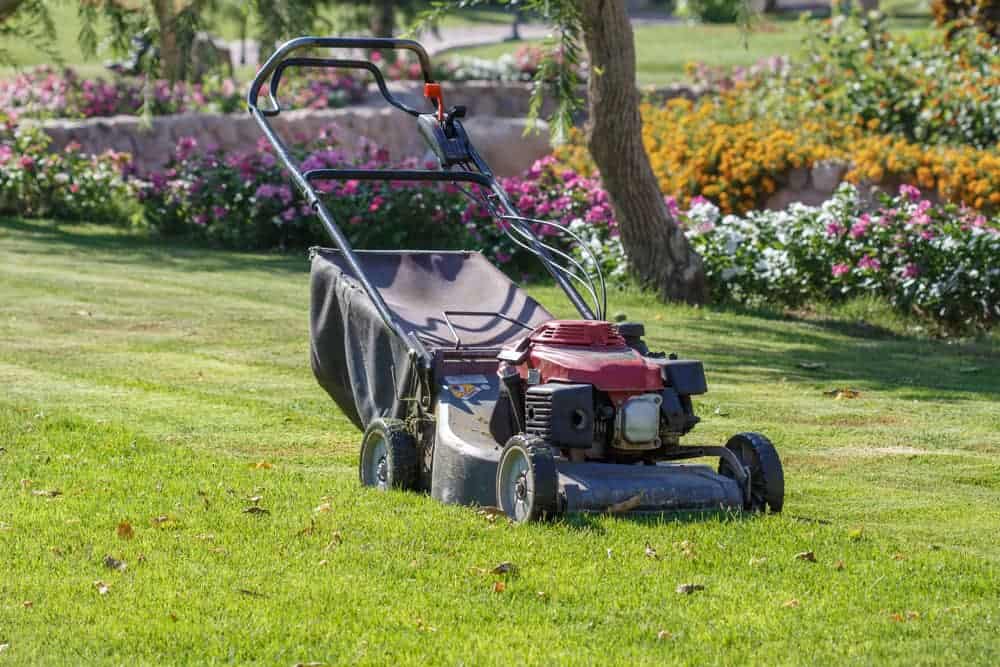
Identifying The Issue
Identifying the issue with a smoking lawn mower is the first step to fixing it. A smoking lawn mower can be alarming. Knowing how to identify the type and cause of the smoke can help you address the problem quickly.
Types Of Smoke
There are different types of smoke your lawn mower might emit. Each type can indicate a different issue.
White Smoke: White smoke usually means oil is burning. This can happen if oil spills onto the engine.
Black Smoke: Black smoke indicates that the engine is burning too much fuel. This might be a sign of a clogged air filter or carburetor issue.
Blue Smoke: Blue smoke is a sign that oil is leaking into the combustion chamber. This could mean worn-out piston rings or a damaged cylinder.
Common Causes
Several common causes can lead to a smoking lawn mower. Understanding these causes can help you fix the issue efficiently.
Overfilled Oil: If the oil level is too high, it can cause white smoke. Check the oil level and drain some if necessary.
Clogged Air Filter: A dirty air filter can cause black smoke. Clean or replace the air filter to allow proper airflow.
Worn Piston Rings: Worn piston rings can cause blue smoke. This issue might require professional repair.
Oil Spillage: Spilled oil on the engine can also cause white smoke. Clean any oil spills to prevent smoking.
By identifying the type and cause of the smoke, you can take the right steps to fix your lawn mower. This helps keep your mower running smoothly and efficiently.
Safety Precautions
Fixing a smoking lawn mower requires some safety precautions. This ensures you stay safe and avoid any mishaps. Before starting any repairs, it’s important to follow these guidelines for a smooth and safe process.
Necessary Gear
Gather the right gear before you begin. Wear safety gloves to protect your hands. Safety goggles are a must to shield your eyes from debris. Use ear protection to guard against loud noises. Have a fire extinguisher nearby as a precaution.
Initial Checks
First, turn off the lawn mower and unplug the spark plug. This prevents accidental starting while you work. Check for any visible damages or leaks. Look at the fuel and oil levels. Ensure the mower is on a flat and stable surface.
Inspect the air filter for dirt and debris. A clogged filter can cause the mower to smoke. Clean or replace it if necessary. Examine the oil for any signs of contamination. Dark, dirty oil needs to be changed.
Finally, check the blade for any obstructions. Debris stuck in the blade can cause smoking. Remove any grass or other objects that may be causing an issue.
Checking The Air Filter
Is your lawn mower smoking? This can be a sign of a clogged air filter. Checking the air filter is a simple step that can fix the issue. A dirty or clogged air filter restricts airflow. This can cause the engine to smoke.
Removing The Filter
First, locate the air filter on your lawn mower. It is usually on the side of the engine. To remove it, unscrew or unclip the cover. Be careful not to lose any screws or clips. Once the cover is off, you can take out the air filter.
Cleaning Or Replacing
Next, inspect the air filter. If it is just dusty, you can clean it. Use a brush to remove dust and debris. For a foam filter, wash it with soap and water. Let it dry completely before putting it back.
If the air filter is very dirty, damaged, or oily, replace it. Buy a new filter that matches your lawn mower model. Insert the new filter and secure the cover. This simple step can help your lawn mower run smoothly and stop smoking.
Inspecting The Oil Level
Is your lawn mower smoking? A common cause is an oil problem. Inspecting the oil level can help fix this issue. Let’s break it down step by step.
Proper Levels
First, check the oil level. Locate the oil dipstick. Pull it out and wipe it clean. Reinsert the dipstick fully, then pull it out again. Look at the oil mark. The oil should be between the “Full” and “Add” lines. If it’s too high, it can cause smoking.
Draining Excess Oil
If the oil level is too high, you need to drain some. Find the oil drain plug. Place a container under the plug. Loosen the plug carefully and let the excess oil drain out. Tighten the plug once the oil level is correct. Check the dipstick again to ensure proper levels.
Examining The Fuel System
A smoking lawn mower can be frustrating. One common cause is the fuel system. Examining the fuel system can help you find the problem. This section will guide you through two essential steps: checking fuel quality and cleaning the fuel line.
Checking Fuel Quality
The quality of your fuel can impact your lawn mower’s performance. Old or contaminated fuel can cause smoking. Check the fuel in your mower.
- Look for water or debris in the fuel tank.
- Smell the fuel. If it smells sour, replace it.
- Use fresh fuel. Buy it from a reputable source.
A clean fuel system starts with good fuel. Ensure you always use high-quality fuel.
Cleaning The Fuel Line
A clogged fuel line can cause your mower to smoke. Cleaning it is simple but essential.
- Turn off the mower and let it cool.
- Disconnect the fuel line from the carburetor.
- Use compressed air to blow out any debris.
- Reconnect the fuel line securely.
Keeping the fuel line clean ensures a smooth fuel flow. This helps prevent smoking.
Regular maintenance of the fuel system can prevent many issues. Follow these steps for a healthier lawn mower.
Spark Plug Maintenance
Maintaining the spark plug is crucial to fixing a smoking lawn mower. The spark plug ignites the fuel in the engine. A dirty or damaged spark plug can cause smoke. Regular maintenance ensures your mower runs smoothly.
Removing The Plug
First, locate the spark plug on your mower. It is usually near the front of the engine. Use a socket wrench to loosen the spark plug. Turn the wrench counterclockwise. Carefully remove the plug from the engine. Make sure to wear gloves for safety.
Cleaning Or Replacing
Inspect the spark plug for dirt or damage. If it is dirty, clean it with a wire brush. Gently scrub off any debris. For severe buildup, use a spark plug cleaner. If the plug is damaged, replace it with a new one. Ensure the new plug matches your mower’s specifications.
Insert the cleaned or new spark plug back into the engine. Tighten it with the socket wrench. Turn the wrench clockwise this time. Ensure it is snug but not overly tight. Check your mower’s manual for the correct torque.
Checking The Muffler
When your lawn mower starts smoking, the muffler could be the culprit. The muffler helps control the exhaust from the engine. A blocked or damaged muffler can cause smoke. Let’s explore how to check and fix it.
Signs Of Blockage
There are several signs that the muffler is blocked:
- Excessive smoke from the exhaust.
- Engine running rough or stalling.
- Strange noises from the muffler area.
If you notice these signs, it’s time to inspect the muffler.
Clearing Obstructions
Follow these steps to clear any obstructions in the muffler:
- Turn off the lawn mower and let it cool.
- Locate the muffler, usually on the side of the engine.
- Remove the muffler using a wrench or screwdriver.
- Inspect the inside for any blockages like grass, dirt, or soot.
- Use a brush or compressed air to clear the obstructions.
- Reattach the muffler securely.
After clearing the obstructions, start the lawn mower. Check if the smoke issue is resolved.

Final Testing
After you’ve made the necessary repairs to your lawn mower, it’s crucial to perform final testing. This ensures that the problem is fixed and your lawn mower runs smoothly. In this section, we’ll guide you through the final steps to get your mower back to full working condition.
Reassembling Parts
Start by carefully reassembling all the parts you removed. Ensure every bolt, nut, and screw is back in its place. Use a diagram or manual if needed. This helps avoid any mistakes.
Double-check that all connections are secure. Loose parts can cause more issues. Here’s a quick checklist to help:
- Check the air filter
- Reconnect the spark plug
- Secure the fuel lines
- Reattach the blade
Make sure everything is tight and in the right place. This step is crucial for the mower’s proper function.
Starting The Mower
With everything reassembled, it’s time to start the mower. Follow these steps:
- Move the mower to an open area
- Ensure the fuel tank has gas
- Prime the engine if needed
- Pull the starter cord
Once the mower starts, observe its operation. Look for any smoke coming from the engine. If you notice smoke, stop the mower and recheck your repairs.
If the mower runs smoothly without smoke, you’ve successfully fixed it. Allow it to run for a few minutes. This ensures the problem is resolved.
Pro Tip: Keep an eye on the engine temperature. It should not overheat during this test.

Frequently Asked Questions
Why Is My Lawn Mower Smoking?
A smoking lawn mower can be due to oil spill, overfilled oil, or clogged air filter. Identify the cause to fix it.
How Do I Fix A Smoking Lawn Mower?
Check the air filter, oil level, and spark plug. Replace or clean them if necessary. Maintain regular service.
What Causes White Smoke From Lawn Mower?
White smoke usually indicates burning oil. This can happen if the oil level is too high or the engine is tilted.
Can A Dirty Air Filter Cause Smoking?
Yes, a dirty air filter can restrict airflow, causing the engine to smoke. Clean or replace it regularly.
Conclusion
Fixing a smoking lawn mower can be simple. Regular maintenance helps prevent issues. Check the oil, air filter, and spark plug. Clean or replace parts as needed. Understanding common problems saves time and money. Now, your lawn mower runs smoothly.
Enjoy a well-maintained, smoke-free machine. Happy mowing!
