
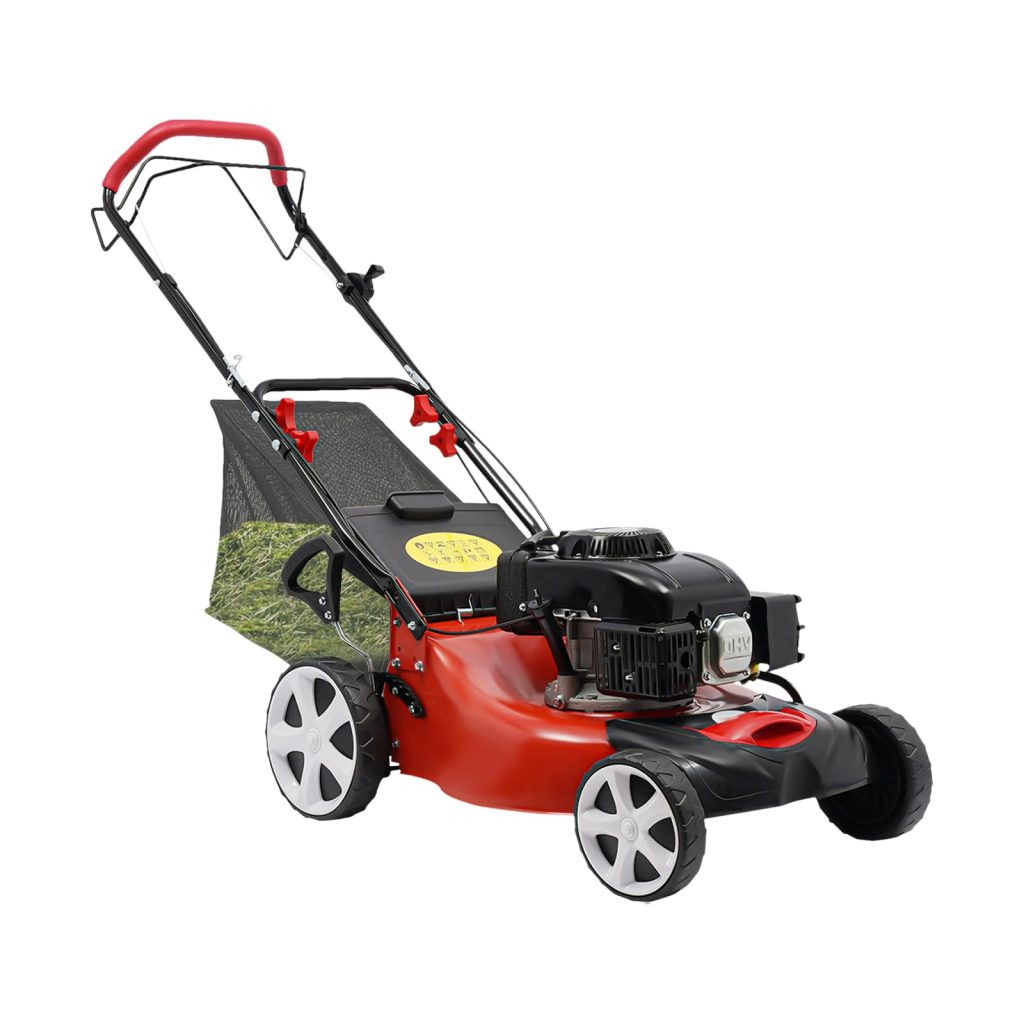
You should use unleaded gasoline in your lawn mower. The octane rating should be 87 or higher.
Gasoline is crucial for your lawn mower’s performance. Using the right type ensures smooth operation and extends the mower’s life. Many people wonder about the best fuel for their machines. Mistakenly using the wrong gas can cause engine problems. Regular unleaded gas, with a minimum octane rating of 87, is typically recommended.
Avoid ethanol blends over 10% as they can damage the engine. Sticking to these guidelines helps maintain your mower in top condition, ensuring your lawn stays neat and tidy. Knowing the correct gas prevents unnecessary repairs and saves money. Let’s explore more about why this specific fuel is essential for your lawn mower.
Choosing The Right Gas
Choosing the right gas for your lawn mower is essential. It ensures the mower runs smoothly and efficiently. Using the wrong gas can damage the engine and reduce its lifespan. So, what gas should you use in your lawn mower? Let’s explore the types of gasoline and the recommended octane rating.
Types Of Gasoline
There are different types of gasoline available. Regular unleaded gasoline is the most common. It has an octane rating of 87. Premium gasoline has a higher octane rating. Usually, it is around 91 or 93. Some mowers may run on ethanol-blended gasoline. This type of gasoline has a mix of ethanol and gasoline. E10 is a common blend, containing 10% ethanol. Always check your mower’s manual. It will specify the best type of gasoline for your machine.
Recommended Octane Rating
The octane rating measures gasoline’s ability to resist knocking. Most lawn mowers work well with regular unleaded gasoline. This has an octane rating of 87. High-performance mowers may need a higher octane fuel. Check the owner’s manual for the recommended octane rating. Using the correct octane fuel helps prevent engine damage. It also ensures your mower runs efficiently.
Understanding Ethanol Content
Choosing the right gas for your lawn mower is essential. Ethanol content plays a crucial role in fuel performance. Many people overlook this detail. Understanding ethanol content helps maintain your lawn mower’s engine.
Ethanol is often added to gasoline. It increases octane levels and reduces emissions. Ethanol comes from plants like corn. While good for cars, it can harm small engines. Let’s explore this in detail.
Ethanol And Small Engines
Small engines in lawn mowers react differently to ethanol. These engines operate at higher temperatures. Ethanol absorbs water from the air. This can lead to moisture build-up. Moisture is bad for small engines. It causes corrosion and rust.
Small engines lack advanced fuel management systems. They cannot handle ethanol well. This leads to poor performance. Your mower may stall. It could be hard to start. Ethanol can also damage rubber parts. This includes seals and hoses. Regular maintenance becomes essential.
Effects Of High Ethanol
Gas with high ethanol content can be harmful. Most lawn mowers prefer E10 fuel. This contains 10% ethanol. Higher ethanol levels, like E15 or E85, are not recommended. These fuels can cause overheating. They lead to engine knock and misfires.
High ethanol fuels can also decrease fuel efficiency. You might need to refill more often. In worst cases, engine damage can occur. Always check the ethanol content before refueling. Stick to the recommended levels for your mower.
Premium Vs. Regular Gas
Choosing the right gas for your lawn mower can be confusing. Should you use premium or regular gas? Both options have their own benefits and drawbacks. Let’s explore the differences between them to help you make an informed decision.
Performance Differences
Premium gas often has a higher octane rating. This can result in better engine performance. Your lawn mower might run smoother and start easier with premium gas. On the other hand, regular gas has a lower octane rating. It works just fine for most lawn mowers. Many lawn mowers are designed to run on regular gas. You may not notice a big difference in performance.
Cost Considerations
Premium gas is more expensive than regular gas. If you mow your lawn often, the cost can add up. Regular gas is more budget-friendly. It helps you save money in the long run. Think about how much you use your lawn mower. If you use it a lot, regular gas might be the better choice for your wallet.

Seasonal Considerations
Choosing the right gas for your lawn mower is crucial. The type of gas can affect its performance and lifespan. Seasonal changes also impact the kind of gas you should use. Understanding these seasonal considerations will help keep your lawn mower running smoothly all year.
Summer Fuel
In summer, temperatures are high. Use gasoline with a lower ethanol content, ideally 10% or less. Ethanol can cause issues in small engines during hot weather. It absorbs moisture and can lead to engine stalling or poor performance. Look for fresh gasoline to avoid gum deposits. Old gas can clog the carburetor and reduce efficiency.
Winter Fuel
Winter is different. Cold temperatures can thicken fuel and make it harder to start the engine. Use gasoline with a fuel stabilizer to prevent degradation. A stabilizer keeps the gas fresh for up to 24 months. It also helps in reducing moisture build-up. This ensures the engine starts easily and runs smoothly in winter.
Storing Gasoline Properly
Properly storing gasoline is crucial for maintaining the efficiency and safety of your lawn mower. Incorrect storage can lead to fuel degradation, which affects your mower’s performance and lifespan. Here are some essential tips on how to store gasoline properly.
Storage Containers
Use approved containers for gasoline storage. These containers are usually made of durable plastic or metal. They are designed to withstand the corrosive nature of gasoline. Always ensure the container is tightly sealed to prevent leaks and evaporation.
Store gasoline containers in a cool, dry place. Avoid direct sunlight and heat sources. Heat can cause the gasoline to expand and increase pressure inside the container. This can lead to dangerous situations.
Shelf Life Of Gas
Gasoline has a limited shelf life. Over time, it breaks down and loses its effectiveness. Typically, gasoline remains usable for three to six months. After this period, the fuel’s quality degrades, which can harm your lawn mower’s engine.
To extend the shelf life of gasoline, use fuel stabilizers. These additives keep gasoline fresh for a longer period. Always follow the manufacturer’s guidelines for using fuel stabilizers. This simple step can save you from costly repairs.

Signs Of Bad Gas
Bad gas can lead to various issues with your lawn mower. Knowing the signs of bad gas helps prevent damage to your mower. Below are some key indicators to watch for.
Engine Performance Issues
Bad gas often causes engine performance problems. The mower might start but then stall. You may notice the engine sputtering or surging. This happens because the gas doesn’t burn cleanly. It results in inconsistent power output. The mower might also produce black smoke. Another sign is the engine refusing to start at all. In such cases, the gas has likely degraded too much.
Preventative Measures
Preventing bad gas problems is essential for your lawn mower’s longevity. Always use fresh gas. Avoid gas that has been sitting for more than 30 days. Store gas in a clean, sealed container. Add a fuel stabilizer to extend the gas’s life. Drain the gas tank if you won’t use the mower for a long time. Regular maintenance is also key. Check and replace the fuel filter as needed. Following these steps ensures your mower runs smoothly.
Fuel Additives
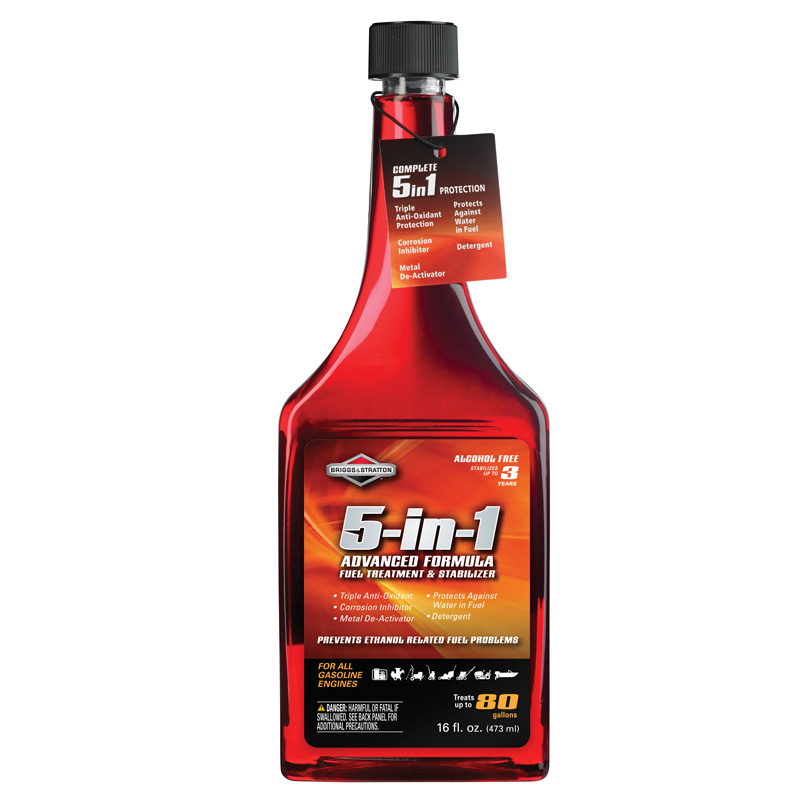
Fuel additives can significantly enhance the performance of your lawn mower. These special compounds mix with gasoline to keep the engine clean. They help prevent deposits, corrosion, and other issues that can hinder performance. Understanding their benefits and proper usage can make your lawn mower last longer and run smoother.
Benefits Of Additives
Fuel additives clean the engine by removing carbon deposits. They also prevent rust and corrosion, extending the life of engine parts. Additives help stabilize fuel, especially if the mower sits idle for long periods. This ensures the engine starts easily and runs efficiently each time.
How To Use Additives
First, read the label on the additive bottle. Follow the recommended amount for your lawn mower. Usually, you add it directly to the gas tank. Mix it well by shaking the mower gently after adding the fuel. Always use fresh gasoline and the correct ratio of additive. This keeps your engine in top shape and avoids any potential issues.
Maintenance Tips
Keeping your lawn mower in top condition is essential for a healthy lawn. Proper maintenance ensures your mower runs smoothly and lasts longer. Below are some key maintenance tips to help you keep your lawn mower in perfect shape.
Regular Engine Checks
Regular engine checks are vital for a smooth-running lawn mower. Check the oil level before each use to ensure proper lubrication. Clean the air filter regularly to keep dust and debris out of the engine. Replace the spark plug at least once a season for optimal performance.
Cleaning The Fuel System
Cleaning the fuel system helps maintain efficiency. Use fresh gasoline to avoid buildup and keep the engine running smoothly. Add a fuel stabilizer if storing the mower for long periods. Inspect the fuel lines for cracks or leaks and replace them if necessary.
| Maintenance Task | Frequency |
|---|---|
| Check Oil Level | Before Each Use |
| Clean Air Filter | Monthly |
| Replace Spark Plug | Once a Season |
| Use Fresh Gasoline | Every Refuel |
| Inspect Fuel Lines | Monthly |
Follow these tips to keep your lawn mower performing at its best. Regular maintenance saves you time and money in the long run.
Frequently Asked Questions
What Type Of Gas For Lawn Mower?
Lawn mowers typically use unleaded gasoline with an octane rating of 87 or higher. Avoid ethanol blends above E10.
Can I Use Regular Gas In My Lawn Mower?
Yes, you can use regular unleaded gasoline with an octane rating of 87 or higher in your lawn mower.
Is Premium Gas Better For Lawn Mowers?
No, premium gas isn’t necessary. Regular unleaded gasoline with an octane rating of 87 is sufficient for most lawn mowers.
How To Store Gas For Lawn Mower?
Store gas in a clean, sealed container away from direct sunlight. Use within 30 days to prevent degradation.
Conclusion
Choosing the right gas for your lawn mower is crucial. It ensures your mower runs smoothly and lasts longer. Regular unleaded gasoline works for most mowers. Check your manual for specific recommendations. Avoid ethanol blends above 10%. Always store gas in a proper container.
Fresh fuel is best, so don’t keep it for too long. Your lawn mower will thank you for the proper care. Happy mowing!
