
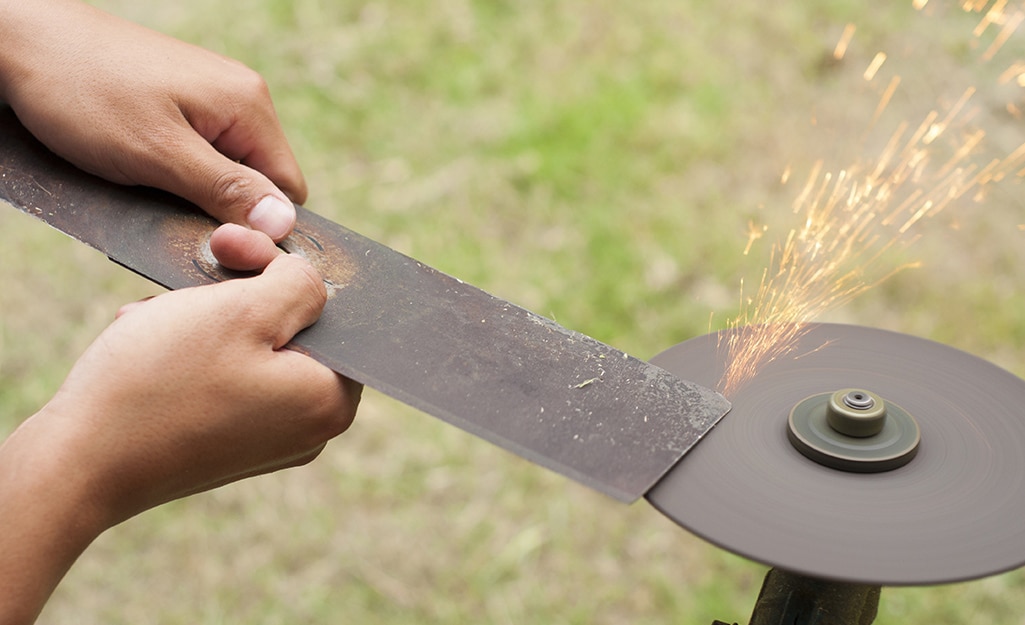
Yes, you can sharpen lawn mower blades. Sharpening the blades is essential for a healthy lawn.
It ensures a clean cut and prevents damage to the grass. A well-maintained lawn mower is key to a beautiful yard. Sharp blades make a big difference. They cut grass evenly and reduce the risk of disease. Dull blades, on the other hand, tear the grass, causing uneven cuts and stress.
This can lead to brown spots and a less attractive lawn. Regularly sharpening your lawn mower blades can keep your lawn looking its best. It also helps the mower run efficiently. In this blog post, we will explore how to sharpen your lawn mower blades, the tools you need, and the steps to follow for a perfect cut. Let’s dive in!
Sharpening Lawn Mower Blades
Sharpening lawn mower blades is a crucial part of lawn care. Sharp blades make clean cuts, promoting healthier grass. They also help your mower work more efficiently. Let’s explore the benefits of sharp blades and signs that indicate your blades need sharpening.
Benefits Of Sharp Blades
Sharp blades cut grass cleanly. This reduces stress on the grass, promoting better growth. Sharp blades also make mowing easier and faster. Your mower’s engine works less, saving fuel and reducing wear.
Signs Blades Need Sharpening
Check your grass after mowing. If it’s uneven or ragged, your blades are dull. You may also see brown tips on the grass, a sign of tearing. Another sign is if your mower struggles to cut through the grass. These are clear indicators that it’s time to sharpen your blades.
Tools And Materials Needed
Sharpening your lawn mower blades ensures a clean cut and a healthy lawn. To do this effectively, you need the right tools and materials. Below is a detailed guide on what you need to get started.
Essential Tools
Having the right tools makes the process easier and more efficient. Here’s a list of essential tools you’ll need:
- Bench Grinder: Quickly sharpens blades.
- Rotary Tool: Handy for minor touch-ups.
- File: Great for manual sharpening.
- Wrench: Removes and reattaches the blade.
- Blade Balancer: Ensures even sharpening.
Safety Gear
Safety should be your top priority. Always wear the right safety gear:
- Safety Glasses: Protects your eyes from flying debris.
- Gloves: Keeps your hands safe.
- Hearing Protection: Shields your ears from loud noises.
- Dust Mask: Prevents inhalation of metal particles.
Preparation Steps
Sharpening your lawn mower blades can extend the life of your mower and ensure a clean cut for your grass. Before diving into the sharpening process, it’s crucial to follow some preparation steps. These steps will help you work safely and effectively. Let’s break down the key preparation steps.
Disconnecting The Spark Plug
First, you need to disconnect the spark plug. This step prevents the mower from accidentally starting while you work on it. Follow these steps:
- Locate the spark plug wire. It’s usually near the front or side of the engine.
- Firmly grasp the rubber boot and pull it off the spark plug.
- Move the wire away from the plug to avoid accidental contact.
By disconnecting the spark plug, you ensure that the mower won’t start unexpectedly, keeping you safe.
Securing The Mower
Next, you need to secure the mower to prevent it from moving while you work. Here’s how:
- Find a flat, stable surface to work on.
- Use wheel chocks or bricks to block the wheels. This stops the mower from rolling.
- If you have a riding mower, engage the parking brake.
Securing the mower ensures stability, making it easier to remove and sharpen the blades.
Following these preparation steps will help you sharpen your lawn mower blades safely and efficiently. Remember, safety first!

Removing The Blade
Removing the blade from your lawn mower is the first step to sharpening it. It may seem daunting, but with a few simple steps, you can do it easily. Follow these instructions to safely and efficiently remove the blade.
Loosening The Blade Bolts
Start by securing your lawn mower. Place it on a flat surface and disconnect the spark plug. This prevents accidental starting. Use a wrench to loosen the blade bolts. These bolts hold the blade in place. Turn the wrench counterclockwise to loosen them.
If the bolts are too tight, apply some penetrating oil. Wait a few minutes and try again. Be sure to support the blade with one hand while loosening the bolts. This prevents the blade from falling and causing injury.
Marking Blade Orientation
Before removing the blade, mark its orientation. This helps during reassembly. Use a piece of chalk or a marker. Draw a line on the blade and the mower deck. This ensures you install the blade correctly.
Note the position of the cutting edge. The cutting edge should face the grass. Marking the orientation prevents mistakes and ensures efficient cutting. Once marked, you can safely remove the blade.
Sharpening Process
Regularly sharpening your lawn mower blades is essential. This helps maintain a healthy lawn. Dull blades tear grass, causing damage. Sharpening your blades can be done in a few ways. Below, we explore two common methods: using a file and using a grinder.
Using A File
Sharpening with a file is straightforward and cost-effective. Follow these steps to use a file:
- Remove the blade from the mower. Ensure it is secure before starting.
- Clamp the blade in a vice to keep it steady.
- Use a flat file to sharpen the edge. File in one direction.
- Follow the blade’s angle. Maintain the original edge angle for best results.
- Check the balance of the blade. An unbalanced blade causes vibration.
- Reattach the blade to the mower. Ensure it is tight and secure.
Using A Grinder
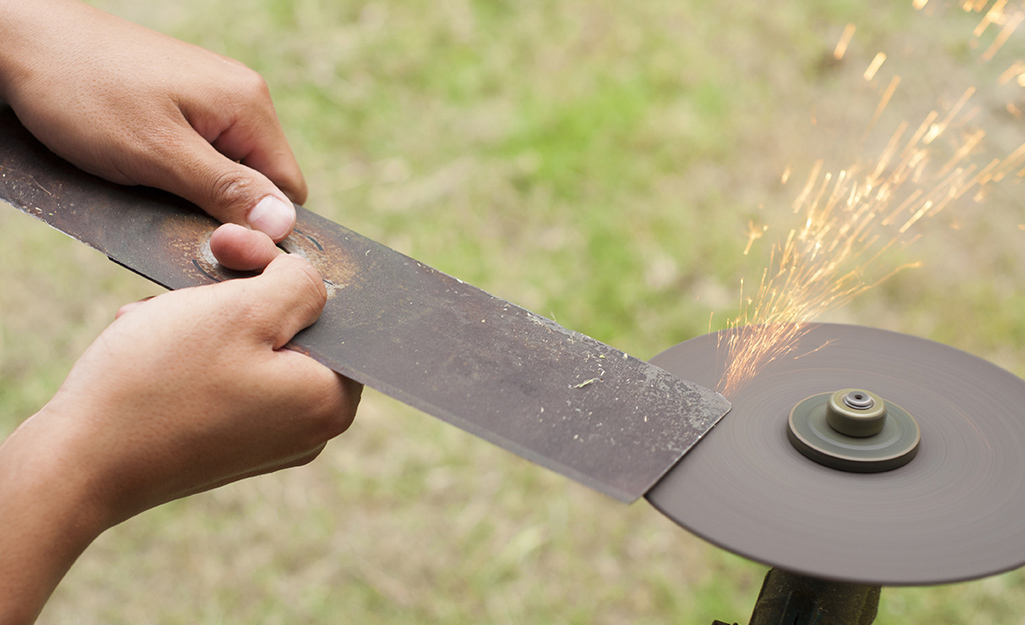
A grinder can make the sharpening process faster. Here’s how to use a grinder:
- Remove the blade from the mower. Secure it in a vice.
- Wear safety gear. Use goggles and gloves.
- Use a bench grinder to sharpen. Hold the blade against the grinder.
- Keep the blade moving. This prevents overheating and keeps the edge even.
- Follow the blade’s angle. Maintain the original bevel for a sharp edge.
- Check the balance of the blade. Rebalance if needed.
- Reattach the blade to the mower. Ensure it is secure.
Using these methods keeps your lawn mower blades in top shape. This ensures a clean cut and a healthy lawn.
Balancing The Blade
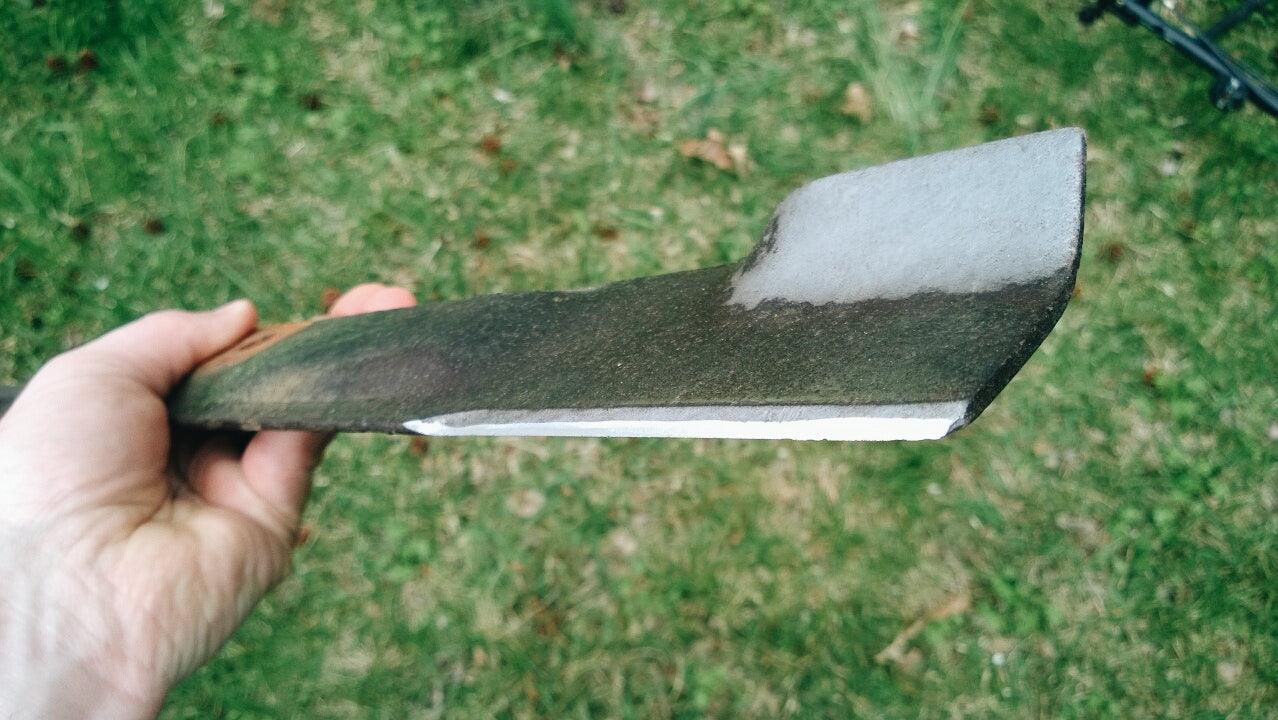
Ensuring your lawn mower blade is balanced is crucial. An unbalanced blade can cause uneven cuts and damage your mower. It also makes the engine work harder, reducing its lifespan. Below, we discuss why balance is important and how to check it.
Why Balance Is Important
A balanced lawn mower blade ensures even cutting. This helps your lawn look neat and healthy. An unbalanced blade can cause vibration, which is harmful. It may damage the mower’s engine and other parts.
An unbalanced blade also makes mowing less efficient. You might need to mow the same area multiple times. This wastes fuel and your time. Keeping your blade balanced saves you money and effort.
How To Check Balance
Checking the balance of your lawn mower blade is simple. You can use a blade balancer or a nail in the wall. Follow these steps to check the balance:
- Remove the blade from the mower carefully.
- Clean the blade to remove any debris.
- Place the blade on the balancer or hang it on the nail.
- Check if one side dips lower than the other.
If one side dips, the blade is unbalanced. You will need to grind the heavier side. Do this until the blade stays level when checked again.
Use a table to understand the process better:
| Step | Description |
|---|---|
| 1 | Remove the blade safely from the mower. |
| 2 | Clean the blade thoroughly. |
| 3 | Place on a balancer or nail. |
| 4 | Check for balance and grind if needed. |
Regularly checking and balancing your blade ensures a smooth mowing experience. It keeps your lawn healthy and your mower in good condition.
Reinstalling The Blade
Reinstalling the lawn mower blade is a crucial step. It ensures your mower cuts grass effectively. After sharpening, proper reinstallation is key. Incorrect installation can cause damage or safety issues. Follow these steps to reinstall your blade correctly.
Tightening The Bolts
Start by placing the blade back onto the mower. Use the bolts you removed earlier. Ensure they fit snugly. Tighten each bolt using a wrench. Do this evenly to prevent the blade from wobbling. A loose blade can be dangerous. It might also give uneven cuts.
Ensuring Correct Orientation
Check the orientation of the blade. The sharp edge should face the grass. The dull side should face up. Incorrect orientation can damage your mower. It can also lead to poor cutting performance. Double-check before you finish tightening the bolts.
Once the blade is secure, test it. Turn the mower on and check for vibrations. If it runs smoothly, the blade is installed correctly. If not, recheck the bolts and orientation. Proper reinstallation ensures a smooth mowing experience.
Maintenance Tips
Maintaining your lawn mower blades is essential for a clean, healthy lawn. Sharp blades cut grass evenly, promoting better growth. Follow these maintenance tips to keep your mower in top shape.
Regular Inspection
Inspect your lawn mower blades after every use. Look for nicks, dents, or bends. These can affect the cutting quality. Replace damaged blades promptly. Check for rust and clean the blades to prevent deterioration.
Storage Tips
Store your lawn mower in a dry, cool place. Moisture can lead to rust and damage. Clean the blades and remove any grass clippings before storage. This prevents buildup and keeps the blades sharp longer. Cover the mower to protect it from dust and debris.
Frequently Asked Questions
How Often Should You Sharpen Lawn Mower Blades?
You should sharpen lawn mower blades at least once a season. For optimal performance, consider sharpening them every 20-25 hours of use.
What Tools Do You Need To Sharpen Mower Blades?
To sharpen mower blades, you’ll need a wrench, a blade sharpener or a file, and safety gloves. A bench grinder can also be useful.
Can Dull Mower Blades Damage Your Lawn?
Yes, dull mower blades tear grass instead of cutting it. This can lead to brown, ragged edges and increase the risk of lawn diseases.
Is It Safe To Sharpen Mower Blades At Home?
Yes, sharpening mower blades at home is safe if proper precautions are taken. Always wear safety gloves and ensure the mower is unplugged or the spark plug is removed.
Conclusion
Sharpening your lawn mower blades can be simple and beneficial. It helps maintain a healthy lawn. Dull blades tear grass, causing damage. Sharp blades ensure clean cuts, promoting growth. Regular sharpening saves time and effort. It also extends the life of your mower.
Remember to follow safety guidelines. Wear protective gear and disconnect the spark plug. Investing in a sharpening tool is wise. Or, seek professional help for best results. Keep your mower blades sharp for a lush, green lawn. Happy mowing!
