
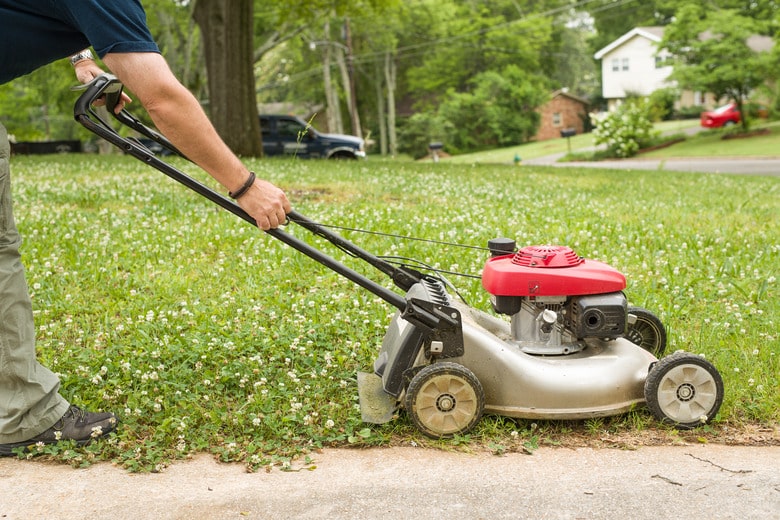
A flooded lawn mower can be a real headache. It often happens when the engine gets too much fuel.
Fixing a flooded lawn mower is easier than you might think. In this guide, we will walk you through the steps to get your lawn mower running again. Whether you are a seasoned gardener or a weekend warrior, these tips will save you time and frustration.
We will cover the common causes of flooding, how to identify them, and the tools you will need. You’ll also learn preventive measures to avoid future flooding issues. By the end of this post, you will have the knowledge to tackle a flooded lawn mower with confidence. Let’s dive in and get your mower back in action!
Identifying A Flooded Lawn Mower
A flooded lawn mower won’t start due to excess fuel in the carburetor. To fix, remove and dry the spark plug, then let the mower sit to allow fuel to evaporate.
A flooded lawn mower can cause a lot of frustration. Recognizing the signs early can save you time and effort. A lawn mower floods when too much fuel enters the engine. This prevents it from starting. Here’s how you can identify a flooded lawn mower.Signs And Symptoms
A flooded lawn mower will not start. You might notice a strong smell of gasoline. The engine might sputter or make a strange noise. Sometimes, white smoke comes out of the exhaust. The spark plug may be wet with fuel. These are clear signs of flooding.Common Causes
Over-priming is a common cause. This means pressing the primer bulb too many times. A clogged air filter can also cause flooding. It restricts the air needed for combustion. Another reason is trying to start the mower many times in quick succession. This can flood the engine with fuel. “`Immediate Steps To Take
Discovering your lawn mower is flooded can be frustrating. Acting quickly can save time and prevent further damage. Follow these immediate steps to get your mower back in action.
Safety Precautions
Before handling the flooded lawn mower, prioritize safety. Follow these precautions to protect yourself:
- Disconnect the spark plug: Prevent accidental starting.
- Wear gloves: Protect your hands from fuel and oil.
- Work in a well-ventilated area: Avoid inhaling fumes.
Initial Checks
Perform these initial checks to assess the extent of the flooding:
- Inspect the air filter: A wet filter can hinder performance.
- Check the fuel tank: Ensure there’s no water mixed with the fuel.
- Examine the oil level: Water in the oil can indicate severe flooding.
| Component | Action |
|---|---|
| Air Filter | Replace if wet |
| Fuel Tank | Drain and refill with fresh fuel |
| Oil | Change if contaminated |
Following these steps can help you address a flooded lawn mower swiftly. Always remember to prioritize safety and perform thorough checks to ensure your mower is ready for use.
Draining Excess Fuel
Draining excess fuel from a flooded lawn mower can solve many issues. This process helps prevent further damage to the engine. Follow these steps to safely remove extra fuel from your mower.
Removing The Spark Plug
First, remove the spark plug. This ensures the mower does not accidentally start. Use a socket wrench for this task. Once removed, set the spark plug aside. This step is crucial for safety.
Tilting The Mower
Next, tilt the mower. Tilt it so the carburetor faces upward. This prevents fuel from leaking into the air filter. Hold the mower steady in this position.
With the mower tilted, locate the fuel cap. Slowly unscrew the fuel cap. Allow the excess fuel to drain into a container. Be careful not to spill any fuel. Dispose of the fuel properly.
Cleaning The Carburetor
A flooded lawn mower can be frustrating. One common issue is a dirty carburetor. Cleaning it can often solve the problem. Let’s break down the process into simple steps.
Disassembling The Carburetor
First, remove the air filter cover. Then, take out the air filter. Use a wrench to remove the bolts holding the carburetor. Be careful not to lose any small parts.
Place the carburetor on a clean surface. Take a picture for reference. This helps when reassembling. Next, carefully remove the float bowl. This is located at the bottom of the carburetor.
| Step | Action |
|---|---|
| 1 | Remove air filter cover |
| 2 | Take out air filter |
| 3 | Use wrench to remove bolts |
| 4 | Place carburetor on clean surface |
| 5 | Take a reference picture |
| 6 | Remove float bowl |
Using Carburetor Cleaner
Next, use a carburetor cleaner to clean all parts. Spray it on the carburetor body. Pay extra attention to small holes and jets. These can get clogged easily.
Use a brush to scrub away dirt. Be gentle to avoid damage. Let the parts dry completely. This ensures no cleaner remains.
- Spray cleaner on carburetor body
- Focus on small holes and jets
- Use a brush to scrub dirt
- Let parts dry completely
Reassemble the carburetor. Refer to your picture if needed. Reattach the carburetor to the lawn mower. Finally, reinstall the air filter and cover.
- Reassemble carburetor
- Reattach to lawn mower
- Reinstall air filter and cover
Checking The Air Filter
One of the first steps to fix a flooded lawn mower is to check the air filter. A clogged or wet air filter can prevent your mower from starting or running smoothly. Let’s look at how to examine, clean, and replace the air filter.
Removing The Air Filter
Start by locating the air filter on your lawn mower. Typically, it is housed in a plastic or metal cover on the side of the mower. Use a screwdriver to remove the screws or clips holding the cover in place.
Once the cover is off, carefully remove the air filter. Be gentle to avoid damaging it. Take note of how the air filter is positioned for easier reinstallation.
Cleaning And Replacing
Inspect the air filter for dirt, debris, and moisture. If it is wet or clogged, it needs cleaning or replacing.
- Foam Filters: Wash with soap and water, then let it dry completely.
- Paper Filters: Tap gently to remove dirt, but do not wash. Replace if too dirty.
After cleaning or replacing, reinsert the air filter in its original position. Secure the cover back with screws or clips.
Your air filter is now ready, and this should help your lawn mower run better. Regular maintenance of the air filter ensures a longer life for your lawn mower and a cleaner running machine.

Inspecting The Fuel System
A flooded lawn mower usually means the engine has more fuel than it can handle. This often results from over-priming or a stuck carburetor float. The first step in fixing this issue is to inspect the fuel system. This will help identify where the problem lies. The fuel system includes components like fuel lines, filters, and the fuel itself.
Checking Fuel Lines
Start by checking the fuel lines. These are the hoses that carry fuel from the tank to the engine. Look for any cracks, leaks, or blockages. Damaged fuel lines can cause fuel to leak or prevent it from reaching the engine. If you find any issues, replace the damaged fuel lines immediately. Clean fuel lines ensure smooth fuel flow.
Replacing Old Fuel
Old or stale fuel can cause a lawn mower to flood. Over time, fuel loses its effectiveness and can clog up the system. Empty the old fuel from the tank and dispose of it safely. Refill the tank with fresh, high-quality fuel. Fresh fuel ensures the engine runs smoothly and reduces flooding risks.
Reassembling And Testing
After fixing the flooded lawn mower, reassembling and testing it is crucial. This ensures that all parts are in place and the mower functions properly. Follow these steps to make sure your lawn mower is ready for use.
Reinstalling Components
Begin by reinstalling the spark plug. Use a wrench to tighten it securely. Next, place the air filter back in its position. Ensure it fits snugly without gaps.
Then, attach the fuel line to the carburetor. Make sure there are no leaks. Reconnect the battery if your mower has one. Secure all screws and bolts.
Starting The Mower
Once all components are in place, it’s time to start the mower. First, press the primer button a few times to push fuel into the carburetor. Pull the starter cord firmly. Listen for the engine to catch.
If the mower doesn’t start, check the fuel level and spark plug. Ensure everything is reconnected properly. Repeat the starting process until the mower runs smoothly.
Now, your lawn mower should be ready for action. Regular maintenance prevents flooding and keeps your mower in good shape.
Preventive Measures
Preventing a flooded lawn mower is easier than fixing one. By taking some simple precautions, you can keep your mower in top shape. Let’s explore some key preventive measures.
Regular Maintenance Tips
Regular maintenance is crucial for a well-functioning lawn mower. Follow these steps to ensure your mower stays in good condition:
- Check the oil level: Ensure the oil is clean and at the right level.
- Clean the air filter: A clogged filter can cause engine problems.
- Inspect the spark plug: Replace it if it’s dirty or worn out.
- Sharpen the blades: Sharp blades cut grass efficiently and reduce engine strain.
- Clean the deck: Remove grass clippings and debris to prevent rust.
Proper Storage
Storing your lawn mower properly extends its lifespan. Follow these storage tips:
- Store in a dry place: Keep the mower in a shed or garage to avoid moisture.
- Use a cover: Protect the mower with a waterproof cover.
- Drain the fuel: Empty the fuel tank before long-term storage to prevent clogs.
- Disconnect the battery: Remove the battery to prevent drainage and corrosion.
- Elevate the mower: Place it on a stand to prevent tire damage.
Following these preventive measures can save you time and money. Maintaining and storing your lawn mower properly ensures it runs smoothly for years.

Frequently Asked Questions
How Do You Know If Your Lawn Mower Is Flooded?
If your lawn mower won’t start and emits a strong gasoline smell, it may be flooded.
How Long To Wait For A Flooded Mower?
Wait about 15-20 minutes to allow the excess fuel to evaporate before trying to start it again.
What Causes A Lawn Mower To Flood?
A lawn mower floods when too much fuel enters the carburetor, often due to over-priming or a stuck choke.
How To Prevent A Flooded Lawn Mower?
To prevent flooding, avoid over-priming and ensure the choke is properly adjusted and maintained.
Conclusion
Fixing a flooded lawn mower is simpler than it seems. Follow these steps: remove the spark plug, drain the fuel, and check the air filter. Always maintain your mower to prevent future flooding. Regular checks and cleaning extend its life.
Remember, safety first. Disconnect the spark plug before any maintenance. Now, enjoy a smoothly running mower and a well-kept lawn. Your mower will thank you. So, get out there and keep your yard looking great!
