
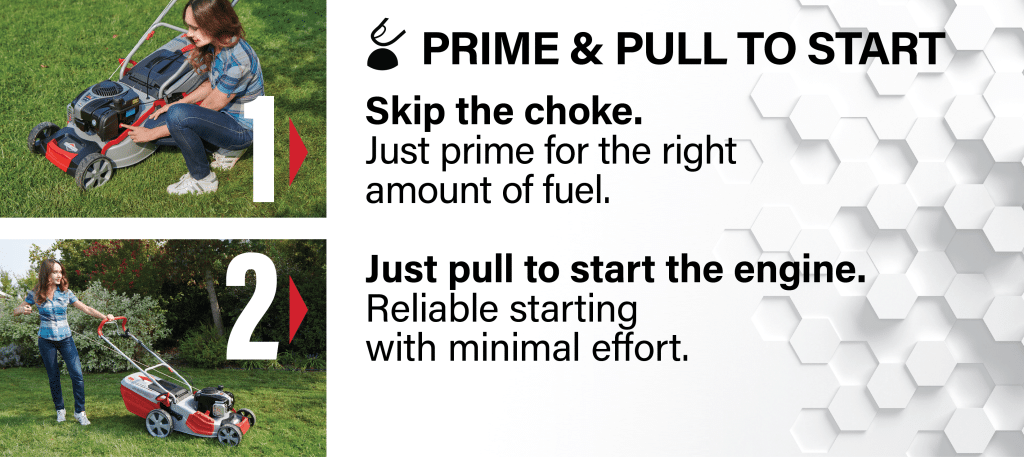
To prime a lawn mower, you need to prepare the engine for starting. This involves getting fuel into the carburetor for a smooth start.
Starting a lawn mower can sometimes be tricky, especially if it hasn’t been used for a while. Priming the mower ensures that fuel reaches the engine, making it easier to start. This simple step can save you time and effort, preventing frustration on your lawn care days.
Whether you’re a new homeowner or an experienced gardener, understanding how to prime your lawn mower is essential. This guide will walk you through the process, helping you get your mower ready to tackle the grass with ease. Let’s dive in and get your mower primed and ready for action.
Introduction To Lawn Mower Priming
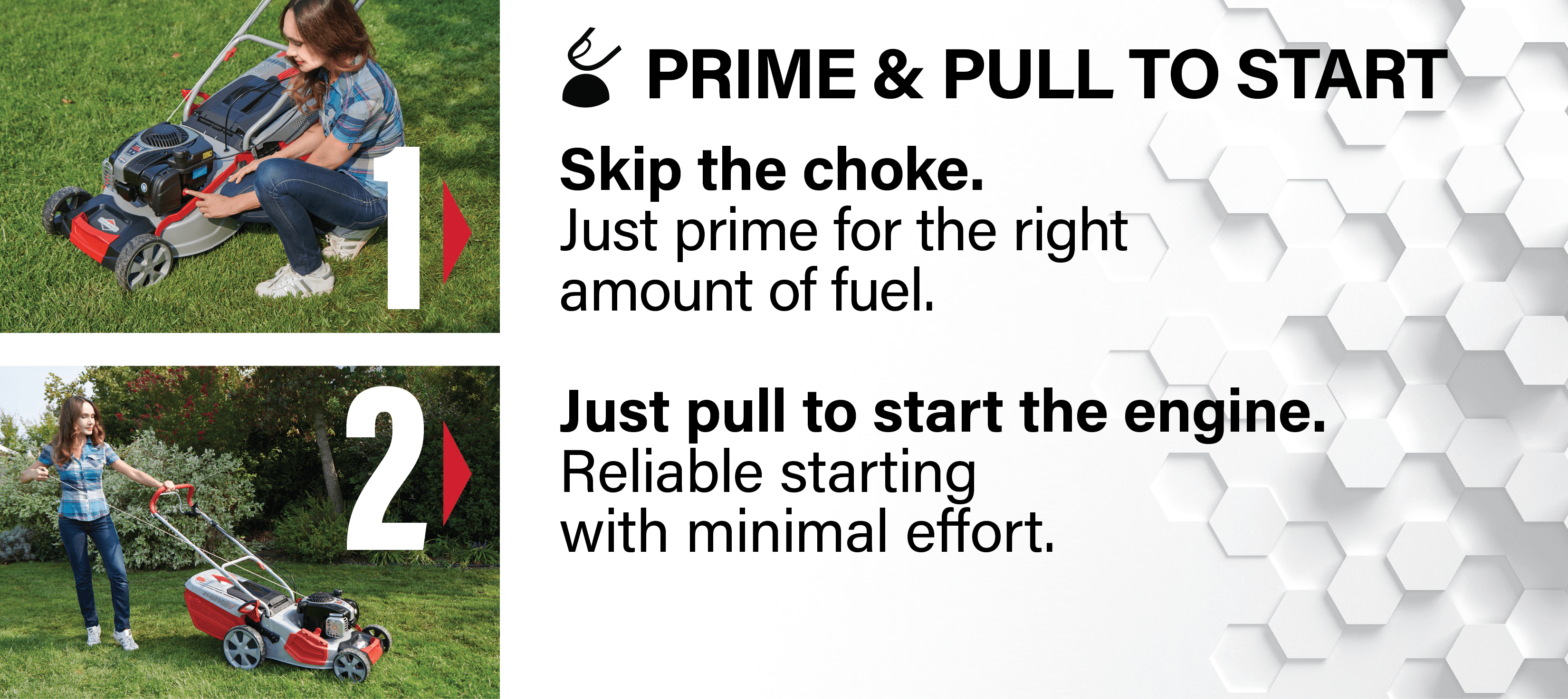
Priming your lawn mower is a simple but crucial step. It ensures your mower starts smoothly and runs efficiently. Priming involves preparing the engine to start by injecting fuel into the carburetor. This process helps your mower function effectively, especially after long periods of inactivity.
Importance Of Priming
Priming is vital for several reasons:
- Ensures easy starting of the mower.
- Prevents engine damage due to dry starts.
- Improves overall performance.
Skipping this step can lead to engine troubles. Always prime your mower to extend its lifespan.
When To Prime Your Mower
Knowing when to prime your mower is essential. Here are key times to do it:
- Before the first use of the season.
- After the mower has been idle for a long time.
- If the engine struggles to start.
Priming is a simple step that ensures your mower is always ready to tackle your lawn.

Safety Precautions
Priming a lawn mower might seem like a simple task. But safety is key to prevent injuries. Let’s look at the necessary safety gear and how to prepare your workspace.
Necessary Safety Gear
Before you start, ensure you have the right safety gear. Here’s a list of what you need:
- Gloves: Protects your hands from cuts and dirt.
- Safety Glasses: Shields your eyes from debris and splashes.
- Closed-toe Shoes: Prevents foot injuries from falling objects.
Wearing this gear keeps you safe. It minimizes the risk of injury while working with the lawn mower.
Preparing The Workspace
A clean and organized workspace is essential. Follow these steps to prepare:
- Clear the Area: Remove any debris or obstacles.
- Ensure Good Lighting: Proper lighting helps you see clearly.
- Secure the Mower: Place the mower on a flat surface to avoid tipping.
Having a well-prepared workspace ensures a safer and more efficient task completion. Always prioritize safety to avoid accidents.
Tools And Materials Needed
Priming a lawn mower ensures it starts smoothly and runs efficiently. To get the job done right, you need specific tools and materials. This section will guide you on what you need to have on hand.
Essential Tools
Gather these basic tools before you start. A screwdriver will help you open the mower’s cover. You will need a wrench set to disconnect and reconnect parts. A clean cloth is useful for wiping away dirt and grease. A fuel stabilizer keeps the fuel fresh during the process.
Optional Accessories
While not required, these accessories can make the job easier. A pair of gloves will protect your hands from grime and injury. Safety goggles shield your eyes from debris. A funnel ensures you pour fuel without spilling. Keep a small container handy to catch any old fuel during draining.
Locating The Primer Bulb
Priming your lawn mower is a key step to ensure a smooth start. The first task is to locate the primer bulb. This small but essential component helps fuel flow into the engine. Without proper priming, the lawn mower might struggle to start or run inefficiently. Let’s dive into how to find this important part.
Finding The Bulb
Finding the primer bulb on your lawn mower is usually straightforward. The bulb is often on the side of the engine. Look near the carburetor or air filter. It is typically a small, round, rubber button.
Here is a simple step-by-step method to locate it:
- Turn off the lawn mower and let it cool.
- Open the engine cover if necessary.
- Inspect the area near the carburetor.
- Look for a small, round bulb, usually black or red.
If you still can’t find it, consult the user manual. It usually has diagrams showing the exact location.
Identifying Different Models
Different lawn mower models may have the primer bulb in various places. Knowing the model of your mower can help.
Here are some common placements based on mower types:
| Lawn Mower Type | Primer Bulb Location |
|---|---|
| Push Mower | Near the carburetor, usually on the side |
| Riding Mower | Close to the engine, often under the seat |
| Electric Start Mower | Near the battery or electric start button |
For some older models, the primer bulb may be hidden. Check under protective covers or near the fuel line.
Knowing where to look can save time and hassle. Always refer to your specific model’s manual for the most accurate information.
Steps To Prime The Mower
Priming a lawn mower is an essential step before starting it. Proper priming ensures that the mower runs smoothly and starts easily. Here are the steps to prime a lawn mower, broken down into simple, easy-to-follow instructions.
Checking Fuel Levels
Before priming, check the fuel levels. Ensure the fuel tank is filled with fresh gasoline. Old gasoline can make starting difficult.
- Open the fuel cap.
- Look inside the tank.
- Add gasoline if the tank is low.
Use a funnel to avoid spills. Close the fuel cap tightly after filling.
Pressing The Primer Bulb
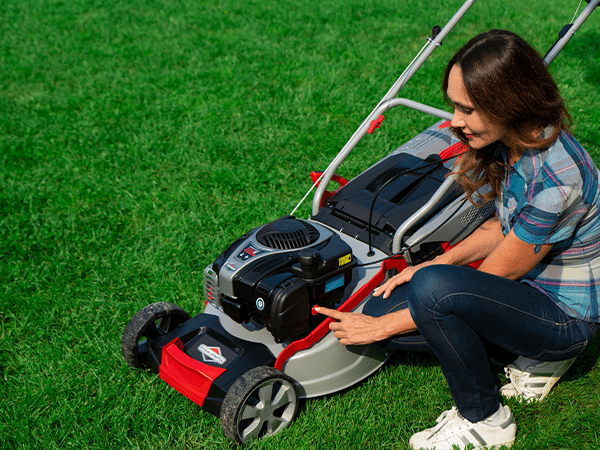
Locate the primer bulb on the side of the mower’s engine. The primer bulb is usually a small, round button.
- Press the primer bulb firmly.
- Release it to allow fuel to flow.
- Repeat this step 3 to 5 times.
Do not over-press the primer bulb. Over-priming can flood the engine.
After pressing the primer bulb, the mower is ready to start.
Following these steps ensures your mower is primed correctly. Proper priming helps in easy and smooth starting of your lawn mower.
Troubleshooting Common Issues
Encountering issues while priming your lawn mower can be frustrating. Understanding common problems and their solutions can save you time and effort. This section helps you troubleshoot frequent issues with your lawn mower.
Engine Fails To Start
Sometimes, the engine doesn’t start after priming. Check the fuel level first. Ensure there is enough fuel in the tank. Stale fuel can cause problems. Replace old fuel with fresh gasoline.
Inspect the air filter. A dirty filter blocks airflow, preventing the engine from starting. Clean or replace the air filter if needed. Verify the choke position. The choke should be in the correct position for starting. Adjust it as necessary.
Look for a clogged carburetor. Debris can block fuel flow, stopping the engine from starting. Clean the carburetor to remove any obstructions. Finally, examine the spark plug. A faulty spark plug can hinder starting. Replace the spark plug if it appears damaged or worn.
Weak Or No Spark
A weak or no spark can prevent the engine from starting. Begin by checking the spark plug. Remove it and inspect the tip. It should be clean and dry. If it’s dirty, clean it with a wire brush.
If the spark plug is wet, it might be flooded. Let it dry before reinserting. Ensure the spark plug gap is correct. Consult your lawn mower’s manual for the proper gap measurement. Adjust it if necessary.
Examine the ignition coil. A damaged coil can cause a weak spark. Test the ignition coil with a multimeter. Replace it if it shows signs of wear or damage.
Check the spark plug wire for any visible damage. Replace the wire if it’s frayed or broken. Finally, ensure all connections are secure. Loose connections can cause weak or no spark.
Maintaining Your Lawn Mower
Maintaining your lawn mower is key to a healthy, green lawn. Regular upkeep ensures the mower runs efficiently, cutting grass evenly. Neglecting maintenance can lead to engine problems or even complete breakdowns. Follow these tips to keep your lawn mower in top shape.
Regular Maintenance Tips
Check the oil level before each use. Low oil can damage the engine. Clean the air filter every few months. A clean filter improves engine performance. Replace the spark plug once a year. A new spark plug ensures smooth starts.
Sharpen the blades regularly. Sharp blades cut grass cleanly and evenly. Clean the mower deck after each use. Grass clippings can cause rust and corrosion. Inspect the belts and replace if worn. Worn belts can affect cutting performance.
Storage Recommendations
Store the lawn mower in a dry place. Moisture can cause rust. Drain the fuel at the end of the season. Old fuel can damage the engine. Disconnect the battery if storing for winter. This prevents battery drain. Cover the mower to protect it from dust and debris. A clean mower lasts longer.
Follow these tips to ensure your lawn mower is always ready to go. A well-maintained mower makes lawn care easier and more enjoyable.
Frequently Asked Questions
What Does Priming A Lawn Mower Mean?
Priming a lawn mower means preparing its engine for starting. This involves injecting fuel into the carburetor. This helps the engine start easily.
How Do I Prime My Lawn Mower?
To prime your lawn mower, locate the primer bulb. Press it 3-5 times. This will inject fuel into the carburetor.
Why Is Priming A Lawn Mower Important?
Priming a lawn mower is important because it ensures the engine starts smoothly. It provides the necessary fuel for ignition.
Can I Start A Lawn Mower Without Priming?
Starting a lawn mower without priming can be difficult. Priming ensures fuel reaches the carburetor. This makes starting easier.
Conclusion
Properly priming a lawn mower ensures smooth operation. Follow each step carefully. This will keep your mower in top shape. Regular maintenance extends its lifespan. It also saves you money on repairs. A well-primed mower starts easily. It cuts grass evenly.
This gives your lawn a neat appearance. Use these tips to prime like a pro. Happy mowing!
