

Is your lawn mower refusing to start? This can be frustrating.
A lawn mower that won’t start can turn a simple task into a headache. Whether you rely on your mower regularly or just for occasional use, this problem needs a quick fix. There are many reasons why your lawn mower might not start.
It could be due to fuel issues, spark plug problems, or even a dirty air filter. Understanding these common issues can save you time and money. Let’s explore the main reasons behind this problem and how you can get your mower up and running again. This guide will help you identify and solve the issue with ease.
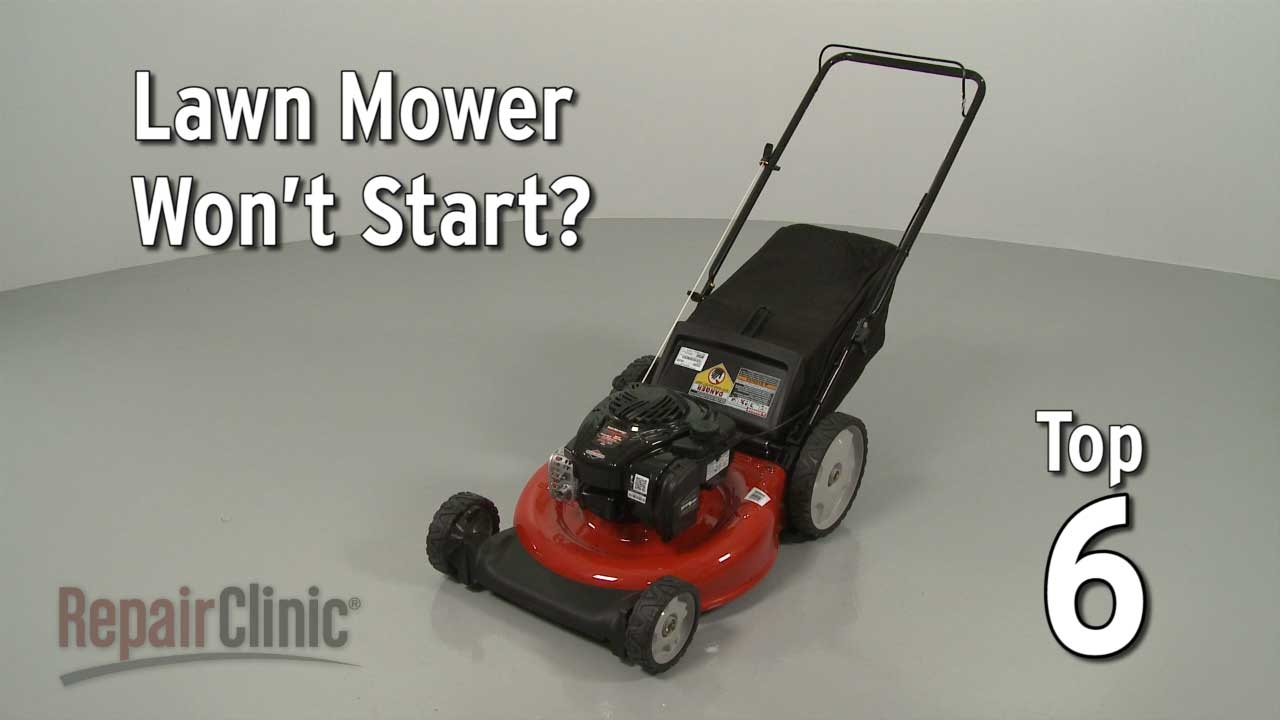
Common Causes
When your lawn mower won’t start, it can be frustrating. Understanding the common causes can help you diagnose the problem quickly. Let’s explore the most frequent issues that might be stopping your lawn mower from starting.
Fuel Issues
Fuel problems are often the main reason for a non-starting lawn mower. Check these common fuel-related issues:
- Empty fuel tank: Ensure there is enough gas in the tank.
- Old fuel: Gasoline can go bad. Replace old fuel with fresh gas.
- Clogged fuel filter: A dirty filter can block fuel flow. Clean or replace it.
- Fuel valve: Make sure the fuel valve is open if equipped.
Spark Plug Problems
The spark plug is crucial for igniting the fuel in the engine. If your mower won’t start, inspect the spark plug:
- Dirty spark plug: Clean any carbon buildup or dirt.
- Loose spark plug: Ensure the spark plug is tight.
- Damaged spark plug: Replace it if it’s cracked or worn out.
By checking these common issues, you can often get your lawn mower running again. Always refer to your mower’s manual for specific maintenance tips.
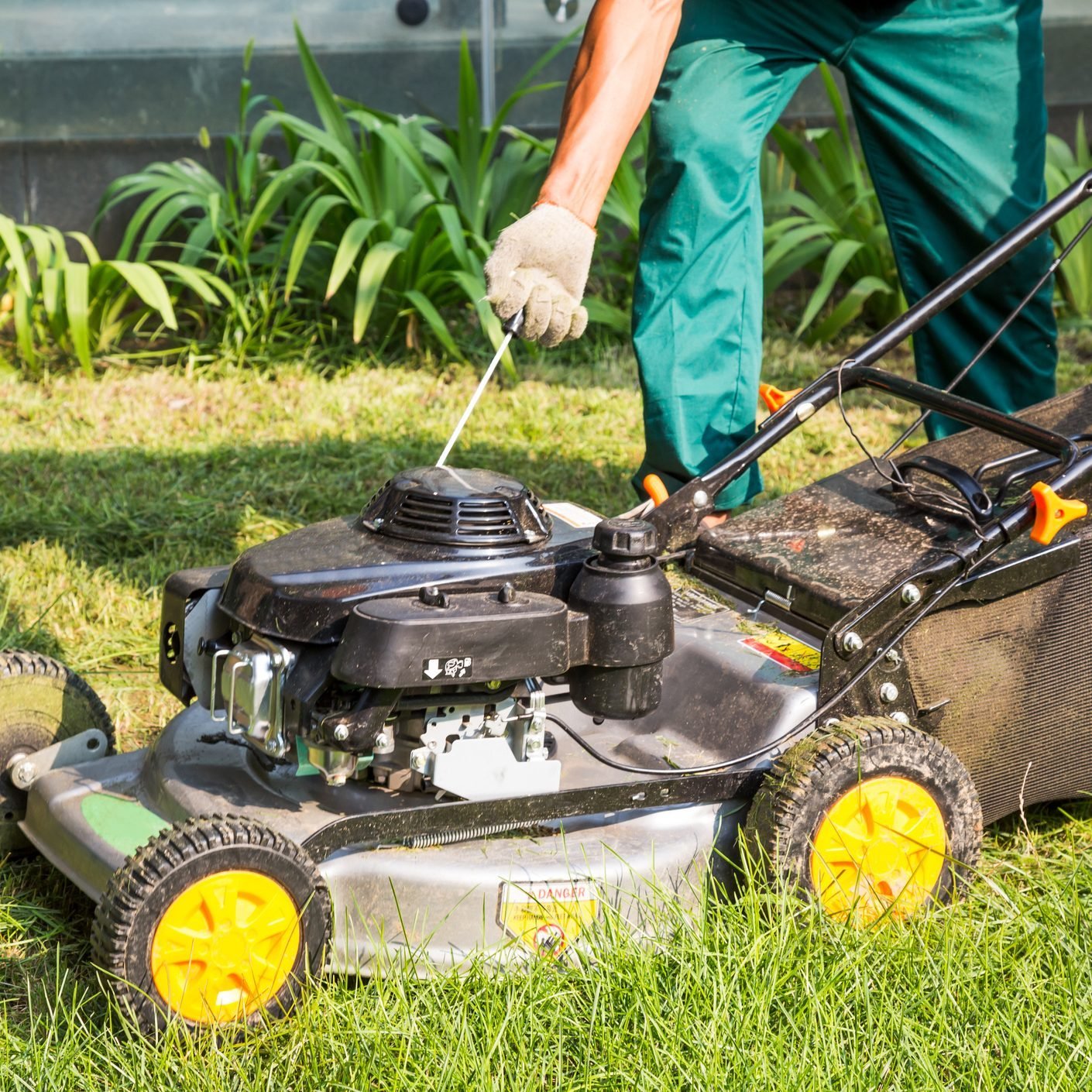
Inspecting The Fuel System
When your lawn mower won’t start, inspecting the fuel system is a crucial step. Ensuring the fuel system is in good condition can solve many starting issues. Let’s dive into two essential checks: the fuel level and the fuel filter.
Check Fuel Level
First, check the fuel level in your lawn mower. A low or empty tank is a common reason for starting problems. Make sure the tank has enough fuel. Use fresh gasoline for the best results. Old gas can cause the engine to sputter or fail to start.
Examine Fuel Filter
Next, examine the fuel filter. A clogged filter can prevent fuel from reaching the engine. Locate the fuel filter, usually found between the fuel tank and the carburetor. Remove it carefully and inspect for dirt or debris.
If the filter looks dirty, clean or replace it. A clean filter ensures a smooth fuel flow. This step is vital for maintaining the mower’s performance.
Testing The Spark Plug
One common reason why your lawn mower won’t start is a faulty spark plug. The spark plug is essential for igniting the fuel in your mower’s engine. Without it, your mower won’t run. Testing the spark plug is a straightforward task that can save you time and money. Below, we break down the steps to test your spark plug.
Remove And Inspect
First, you need to remove the spark plug. Use a spark plug socket or wrench to carefully unscrew it. Once removed, inspect the spark plug closely. Look for signs of wear and tear. Common issues include:
- Black soot or oil residue
- Cracks in the porcelain insulator
- Burnt or damaged electrodes
If you notice any of these signs, it may be time to clean or replace the spark plug.
Clean Or Replace
If the spark plug is dirty but otherwise in good condition, you can clean it. Use a wire brush to gently remove any dirt or carbon buildup. For oil residue, use a carburetor cleaner. Make sure the spark plug is completely dry before reinstalling.
If the spark plug is damaged, it’s best to replace it. New spark plugs are inexpensive and can make a big difference. To replace, simply screw in the new spark plug using your spark plug socket or wrench. Ensure it is snug but do not over-tighten.
Testing the spark plug can often solve the issue of a non-starting lawn mower. If you follow these steps and your mower still won’t start, there may be other issues at play.
Carburetor Troubleshooting
One common reason a lawn mower won’t start is carburetor problems. The carburetor mixes air and fuel for the engine. If it isn’t working right, the mower won’t start. Let’s look at some simple steps to fix this issue.
Clean The Carburetor
A dirty carburetor can cause many issues. Start by removing the carburetor from the mower. Use a carburetor cleaner spray to remove any dirt or grime. Make sure to clean all small parts and passages. This step can help the mower start smoothly.
Adjust Carburetor Settings
Sometimes, the carburetor settings need adjustment. Check the air-fuel mixture settings. Adjust them according to the lawn mower’s manual. Ensure the screws are tightened properly. This can improve the mower’s performance.
Battery And Electrical Issues
A lawn mower that won’t start can be very frustrating. Often, the problem lies in the battery and electrical system. These components are crucial for a mower’s operation. It’s essential to check them thoroughly. Let’s explore some common issues and how to address them.
Check Battery Charge
First, check if the battery has enough charge. A weak or dead battery will prevent the mower from starting. Use a voltmeter to measure the battery voltage.
- A fully charged battery should read around 12.6 volts.
- If the voltage is below 12.4 volts, the battery needs charging.
- If the battery doesn’t hold a charge, it might need replacing.
Ensure the battery terminals are clean. Corroded terminals can prevent the battery from functioning properly. Clean them with a wire brush if needed.
Inspect Wiring
Inspect the wiring connected to the battery and other electrical components. Look for any loose or damaged wires.
- Ensure all connections are tight and secure.
- Check for frayed or broken wires.
- Replace any damaged wiring to restore proper function.
Sometimes, the issue might be with the safety switches. These switches prevent the mower from starting if certain conditions are not met. Ensure all safety switches are engaged properly.
By addressing these electrical issues, you can often solve the problem of a non-starting lawn mower. Regular maintenance can help prevent these issues in the future.
Air Filter Maintenance
Maintaining your lawn mower’s air filter is essential for its performance. A dirty air filter can cause your lawn mower to fail to start. Regular maintenance ensures a clean, efficient engine. This section covers the steps to maintain your air filter properly.
Remove And Inspect
The first step is to remove and inspect the air filter. Locate the air filter housing on your lawn mower. Usually, it is near the engine. Open the housing by removing screws or clips. Carefully take out the air filter.
Inspect the air filter for dirt, debris, or damage. A dirty air filter can block airflow to the engine. This can cause starting problems. If the filter is clogged or damaged, it needs attention.
Clean Or Replace
If the air filter is not too dirty, you can clean it. Use a soft brush to remove loose dirt and debris. For foam filters, wash them with soapy water. Rinse thoroughly and let it dry completely before reinstalling.
If the air filter is damaged or very dirty, it is best to replace it. Check the owner’s manual for the correct filter type. Install the new filter in the housing and secure it with screws or clips.
| Step | Action | Tools Needed |
|---|---|---|
| 1 | Remove air filter | Screwdriver, hands |
| 2 | Inspect for dirt or damage | None |
| 3 | Clean or replace filter | Brush, soapy water, new filter |
| 4 | Reinstall filter | Screwdriver, hands |
Regular air filter maintenance can prevent many common lawn mower issues. Keep your air filter clean or replace it when needed. This ensures your lawn mower runs smoothly and starts easily.
Blade And Deck Inspection
One common reason for a lawn mower not starting is issues with the blade and deck. Ensuring that the blade is in good condition and the deck is free of obstructions is crucial. Regular inspection can save you from unexpected breakdowns and keep your mower running smoothly. Let’s dive into two key areas: checking for obstructions and inspecting the blade condition.
Check For Obstructions
Obstructions under the deck can prevent the blade from spinning. This is a common issue for lawn mowers that won’t start. Here’s how to check for obstructions:
- Turn off the mower and remove the spark plug for safety.
- Tip the mower on its side carefully.
- Look under the deck for any debris like grass clippings or sticks.
- Remove any visible obstructions using a stick or tool, not your hands.
Ensuring the deck is clean and clear can help your mower start and operate efficiently.
Inspect Blade Condition
A damaged or dull blade can also cause starting issues. Follow these steps to inspect the blade:
- Ensure the mower is turned off and the spark plug is disconnected.
- Tip the mower on its side to access the blade.
- Check the blade for any visible damage like cracks or bends.
- If the blade is dull, consider sharpening it or replacing it if damaged.
Keeping the blade in good condition ensures a clean cut and helps the mower run smoothly.
Regular blade and deck inspection is essential for maintaining your lawn mower. By checking for obstructions and inspecting the blade condition, you can prevent many common issues.

Preventative Maintenance
Preventative maintenance is essential to keep your lawn mower running smoothly. Taking care of your machine can save you time and money. Avoid frustrating breakdowns with regular checks and care. Below are some key areas to focus on for effective preventative maintenance.
Regular Servicing
Regular servicing ensures your lawn mower stays in top condition. Schedule service at least once a year. Regular service includes:
- Changing the oil
- Replacing the air filter
- Sharpening the blades
- Checking the spark plug
Each of these tasks helps maintain the mower’s performance. A clean air filter improves engine efficiency. Sharp blades make clean cuts, reducing strain on the engine. Regular oil changes keep the engine lubricated. Checking the spark plug ensures reliable starts.
Proper Storage
Proper storage is another important aspect of maintenance. Storing your lawn mower correctly prevents many common issues. Follow these steps for proper storage:
- Clean the mower after each use
- Drain the fuel before long storage periods
- Store in a dry place to prevent rust
Cleaning removes grass clippings and debris that can cause damage. Draining fuel prevents it from going stale and clogging the carburetor. A dry storage area keeps rust at bay and protects the engine components.
Maintaining your lawn mower with regular servicing and proper storage will ensure it starts easily and runs smoothly. By following these simple steps, you can avoid many common problems and extend the life of your machine.
Frequently Asked Questions
Why Won’t My Lawn Mower Start?
A lawn mower may not start due to fuel issues, spark plug problems, or a dirty air filter.
How Do I Fix A Lawn Mower That Won’t Start?
Check the fuel, clean or replace the spark plug, and clean the air filter.
What Causes A Lawn Mower To Not Start?
Common causes include stale fuel, a dirty air filter, or a faulty spark plug.
How Often Should I Change My Lawn Mower Spark Plug?
Change your lawn mower’s spark plug once every season or after 25 hours of use.
Conclusion
A lawn mower that won’t start can be frustrating. Check the basics first. Fuel, spark plug, and air filter issues are common culprits. Regular maintenance can prevent most problems. Clean parts and replace when necessary. Follow the user manual for guidance.
If issues persist, seek professional help. Keep your lawn mower in good condition. Enjoy a hassle-free mowing experience.
