

A bad spark plug can cause your lawn mower to struggle. It may not start or run smoothly.
Knowing the signs of a bad spark plug can save you time and effort. A well-maintained lawn mower is essential for a tidy yard. But when the spark plug goes bad, it can cause many problems. The spark plug is a small but crucial part of the engine.
It ignites the fuel, making the engine run. If it fails, the engine can misfire, lose power, or not start at all. Recognizing the symptoms of a faulty spark plug can help you fix the issue quickly. This guide will show you how to identify if your lawn mower’s spark plug is bad. It will also offer tips to keep your mower running smoothly.
Signs Of A Bad Spark Plug
Noticing the signs of a bad spark plug can save you from bigger problems. A bad spark plug can affect your lawn mower’s performance. Identifying these signs early can help in maintaining your mower’s efficiency.
Difficulty Starting The Mower
If your mower struggles to start, the spark plug may be bad. You might pull the starter cord multiple times with no luck. This is a common sign that the spark plug isn’t working properly. The spark plug creates the spark needed to ignite the fuel. Without a good spark, the engine won’t start easily.
Engine Misfires
A misfiring engine is another sign of a bad spark plug. The mower’s engine might run unevenly or sound rough. This happens because the spark plug isn’t igniting the fuel mixture correctly. You may notice the mower stuttering or losing power during use. Misfires can also lead to increased fuel consumption.
Visual Inspection
Performing a visual inspection is the first step in determining if your lawn mower spark plug is bad. This simple check can help you identify visible signs of wear or damage that might affect its performance. Let’s break down the key areas to look at during your inspection.
Checking For Damage
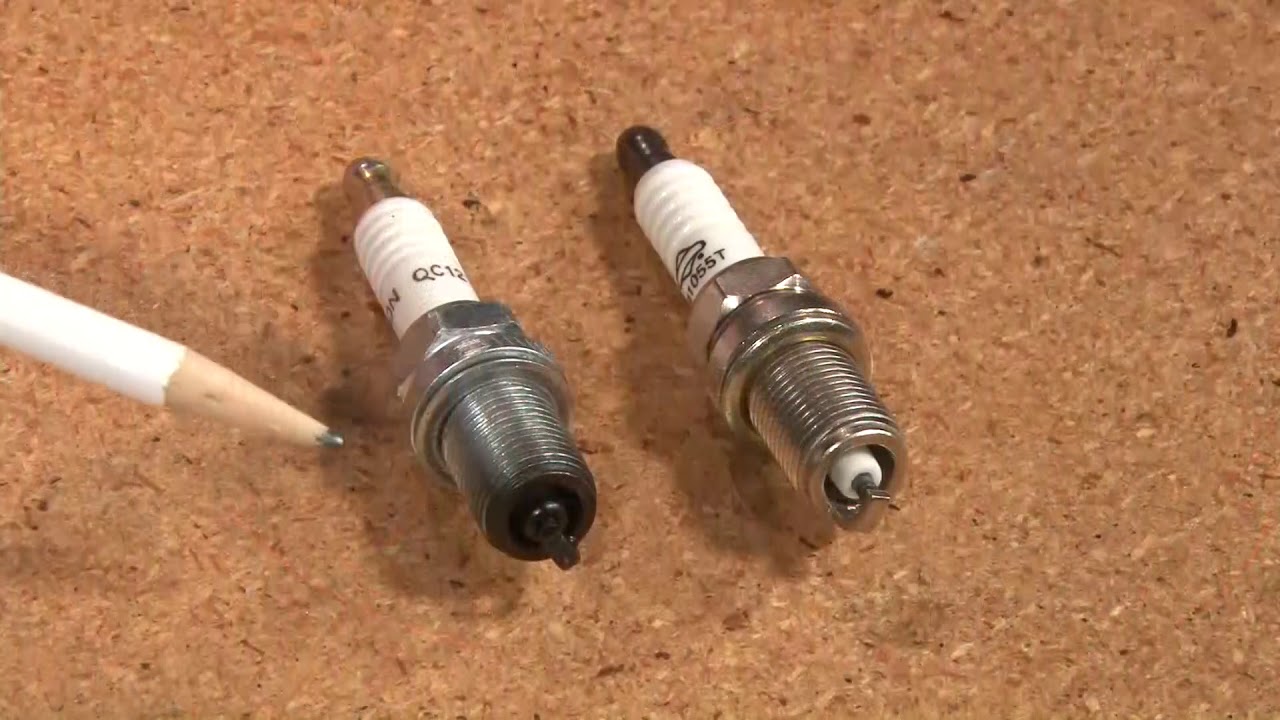
First, look for any obvious damage on the spark plug. Cracks, chips, or breaks in the ceramic insulator or electrode are clear signs. A damaged plug can’t function properly and will likely need replacement.
Use a clean cloth to wipe off dirt or grime. This makes it easier to see any damage. Also, check for any corrosion or rust on the metal parts. These are also indicators of a bad spark plug.
Examining Electrode Wear
Next, inspect the electrode at the tip of the spark plug. A healthy electrode should be sharp and clearly defined. Over time, the electrode may wear down, becoming rounded or eroded. This wear affects the spark plug’s ability to create a strong spark.
Use a magnifying glass if needed to get a closer look. Compare the electrode with a new spark plug if you have one available. If the electrode is significantly worn or damaged, it’s time to replace the spark plug.
Sometimes, the electrode can have a buildup of carbon or oil. This buildup can affect the spark plug’s performance. Cleaning might help, but if the buildup is severe, consider replacing the plug.
Testing The Spark Plug
Maintaining a healthy lawn mower involves several steps. One of these steps is testing the spark plug. A bad spark plug can cause your mower to perform poorly or not start at all. This section will guide you through the process of testing the spark plug. We will cover two main methods: using a spark plug tester and inspecting the spark color.
Using A Spark Plug Tester
A spark plug tester is a handy tool. It helps you check if the spark plug is working correctly. Follow these simple steps to use a spark plug tester:
- First, remove the spark plug from the engine.
- Connect the spark plug to the tester.
- Attach the tester to the spark plug wire.
- Turn the engine over. Observe the tester for a spark.
If you see a strong, blue spark, the spark plug is in good condition. If there is no spark or it is weak, the spark plug may be bad. Replace it with a new one.
Inspecting Spark Color
You can also check the spark plug condition by inspecting the spark color. Here’s how:
- Remove the spark plug from the engine.
- Reconnect the spark plug wire.
- Hold the spark plug against a metal part of the engine.
- Turn the engine over and observe the spark.
A strong, blue spark indicates a healthy spark plug. A weak, yellow, or no spark indicates a bad spark plug. In this case, replace the spark plug.
Testing the spark plug is a simple task. It helps ensure your lawn mower runs smoothly. Use these methods to keep your mower in top shape.
Cleaning The Spark Plug
A clean spark plug is crucial for a lawn mower’s performance. Dirt and carbon deposits can hinder the spark plug’s ability to ignite the fuel. This can lead to poor engine performance or even engine failure. Regular cleaning helps maintain the spark plug’s efficiency.
Removing Carbon Deposits
Carbon deposits build up over time due to incomplete combustion. This build-up can insulate the spark plug, preventing it from sparking correctly. To remove these deposits, first, ensure the engine is cool. Then, detach the spark plug wire and use a socket wrench to remove the spark plug from the engine.
Inspect the spark plug for a black, sooty appearance. This is a sign of carbon deposits. Use a wire brush or a spark plug cleaner to gently scrub away the carbon. Be careful not to damage the electrode or the ceramic insulator.
Proper Cleaning Techniques
Once you remove the carbon deposits, you need to clean the spark plug thoroughly. Here are some steps to follow:
- Place the spark plug in a container filled with a cleaning solution. A mixture of water and a small amount of dish soap works well.
- Let the spark plug soak for about 10 minutes to loosen any remaining dirt or grime.
- Use a soft brush to clean the spark plug’s threads and electrode. Avoid using hard or metal brushes as they can scratch and damage the spark plug.
- Rinse the spark plug with clean water to remove any soap residue.
- Dry the spark plug thoroughly with a clean cloth or allow it to air dry completely before reinstalling it.
After cleaning, inspect the spark plug again. Ensure there are no remaining deposits or damage. Reinstall the spark plug into the engine and reconnect the spark plug wire. This process helps ensure your lawn mower runs smoothly and efficiently.
Replacing The Spark Plug
Sometimes, a lawn mower’s spark plug goes bad. This can cause the engine to misfire or not start. Replacing the spark plug can fix this issue and get your mower running smoothly again. Below, we’ll discuss how to choose the right replacement and the steps to install a new spark plug.
Choosing The Right Replacement
First, identify the correct spark plug for your lawn mower. Check the owner’s manual for the exact specifications. You need to match the size, thread length, and heat range. You can also take the old spark plug to a hardware store for comparison.
Another way to find the right spark plug is by looking up the model number of your mower online. Many websites offer search tools that help you find compatible parts. Make sure to buy a high-quality spark plug. It will last longer and perform better.
Installation Steps
Start by turning off the lawn mower and disconnecting the spark plug wire. This ensures safety and prevents accidental starting. Next, use a spark plug wrench to remove the old plug. Turn it counterclockwise to unscrew it.
Once removed, check the new spark plug’s gap. Use a gap tool to adjust it if necessary. The correct gap ensures proper ignition. Now, thread the new spark plug into the engine by hand. This prevents cross-threading. After it’s hand-tight, use the spark plug wrench to tighten it further. Be careful not to over-tighten.
Finally, reconnect the spark plug wire. Make sure it’s secure. Start your mower to test the new spark plug. It should start easily and run smoothly.
Preventative Maintenance
A lawn mower spark plug might be bad if the engine struggles to start, runs roughly, or misfires. Check for visible damage or heavy deposits on the spark plug. Replacing a faulty spark plug can improve mower performance and efficiency.
Preventative maintenance is key to keeping your lawn mower running well. Regular checks ensure all parts function properly. This includes the spark plug, a vital component. Ignoring maintenance can lead to bigger problems.Regular Inspection Schedule
Create a regular inspection schedule for your lawn mower. Check the spark plug every month during mowing season. Look for signs of wear or damage. A black, oily spark plug needs cleaning or replacement. A cracked or broken plug must be replaced right away.Proper Mower Storage
Proper mower storage helps extend the life of the spark plug. Store your mower in a dry, cool place. Moisture can cause rust and damage to the spark plug. Drain the fuel before storing for long periods. This prevents old fuel from gumming up the spark plug. Clean the mower and spark plug before storage. Following these steps ensures your lawn mower runs smoothly. It also saves money on repairs and replacements. “`Common Spark Plug Issues
A faulty spark plug can cause many problems for your lawn mower. Understanding common spark plug issues can help you identify and fix them quickly. Two frequent problems are oil fouling and carbon buildup.
Oil Fouling
Oil fouling happens when oil seeps into the combustion chamber. This oil can coat the spark plug, making it hard for the plug to create a spark. Signs of oil fouling include:
- Black, wet deposits on the plug
- Difficulty starting the mower
- Rough engine performance
To fix oil fouling, check for oil leaks in the engine. You may need to replace worn-out seals or gaskets. Regular maintenance helps prevent oil fouling.
Carbon Buildup
Carbon buildup is another common spark plug issue. It occurs when carbon deposits form on the spark plug. This buildup can block the spark, causing the engine to misfire. Signs of carbon buildup include:
- Black, sooty deposits on the plug
- Engine misfires
- Loss of power
To clean carbon buildup, remove the spark plug and use a wire brush. Scrub away the deposits carefully. For severe buildup, consider replacing the spark plug.
Regularly checking and cleaning the spark plug can prevent these issues. A well-maintained spark plug ensures your lawn mower runs smoothly.
When To Seek Professional Help
Sometimes, diagnosing a bad lawn mower spark plug can be tricky. In such cases, it is best to seek professional help. This ensures your lawn mower remains in optimal condition. Below are situations when professional assistance is recommended.
Persistent Problems
If your lawn mower keeps having issues, you may need help. Persistent problems like frequent misfires or hard starts can indicate deeper issues. A professional mechanic can accurately diagnose and fix these issues.
Complex Repairs
Some repairs can be complex and beyond basic troubleshooting. If you are not comfortable with advanced repairs, call a professional. This can prevent further damage and ensure proper maintenance.
Here is a table of common spark plug issues and when to seek help:
| Issue | DIY Fix | Seek Professional Help |
|---|---|---|
| Dirty Spark Plug | Clean with a wire brush | Replace if cleaning doesn’t work |
| Worn Electrode | Replace spark plug | Check for engine damage |
| Frequent Misfires | Check plug gap | Inspect ignition system |
Remember, safety is crucial. If unsure about handling spark plug issues, always consult a professional. This ensures your lawn mower runs smoothly and safely.
Frequently Asked Questions
How Do I Know If My Spark Plug Is Bad?
A bad spark plug can cause hard starting, rough idling, and poor engine performance. Check for physical damage, excessive carbon buildup, or corrosion.
What Are The Symptoms Of A Bad Lawn Mower Spark Plug?
Symptoms include difficulty starting, misfiring, poor fuel efficiency, and reduced power. Regular inspection can prevent these issues.
How Often Should You Replace Lawn Mower Spark Plugs?
Replace spark plugs every season or after 25 hours of use. Regular maintenance ensures optimal performance and longevity.
Can A Dirty Spark Plug Cause Starting Issues?
Yes, a dirty spark plug can hinder the ignition process. Clean or replace it to ensure smooth starting.
Conclusion
A bad spark plug can cause many lawn mower issues. Look for signs like hard starting, poor performance, and black deposits. Regular checks and replacements keep your mower running smoothly. Don’t ignore these symptoms. A fresh spark plug can make a big difference.
Keep your lawn mower in top shape. Proper maintenance saves you time and effort. Stay aware of your mower’s needs. Happy mowing!
