
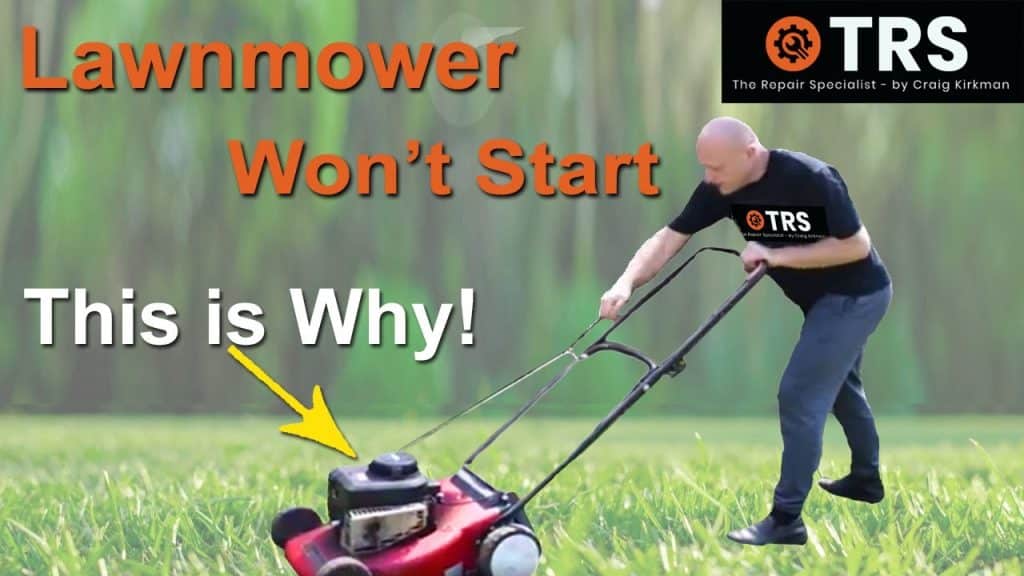
Starting a lawn mower that won’t start can be frustrating. But, don’t worry.
There are simple steps to get it running again. When your lawn mower refuses to start, it can feel like a big problem. Luckily, most starting issues can be fixed with a bit of troubleshooting. Whether it’s a problem with fuel, spark plugs, or the carburetor, there’s usually a straightforward solution.
In this guide, we’ll walk you through the common reasons why a lawn mower might not start and the steps you can take to fix it. By understanding these basics, you can save time, avoid stress, and get your lawn mower back in action. Ready to tackle the problem? Let’s dive in.
Common Causes Of Lawn Mower Issues
Understanding why your lawn mower won’t start is crucial. Common causes often include fuel problems and spark plug issues. Below, we explore these issues in detail.
Fuel Problems
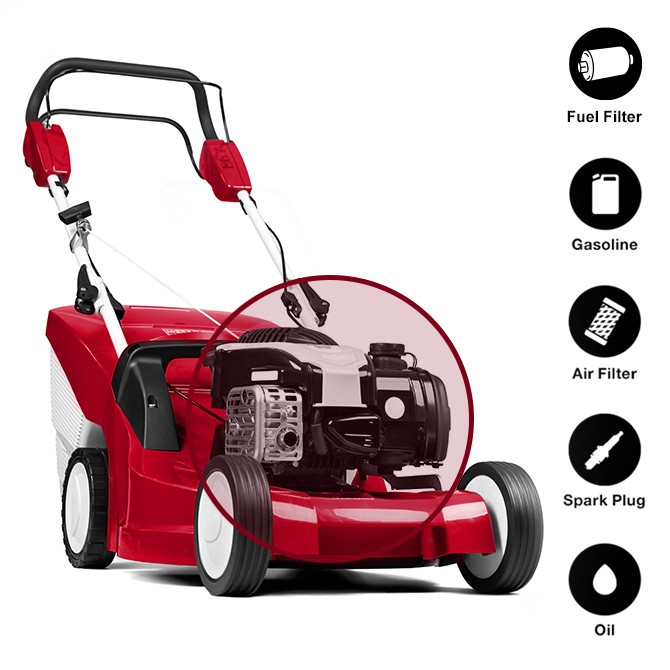
One common cause is fuel problems. A lawn mower needs fresh fuel to start. Old fuel can clog the carburetor. This prevents the engine from running smoothly. Here are some signs of fuel issues:
- The engine cranks but doesn’t start.
- There is a strong smell of gasoline.
- The mower starts but dies quickly.
To fix fuel problems, follow these steps:
- Check the fuel level in the tank.
- Drain old fuel and add fresh gasoline.
- Inspect the fuel filter and replace if necessary.
Using fresh fuel can often solve starting issues. Regular maintenance helps avoid these problems.
Spark Plug Issues
Spark plugs play a crucial role in starting your lawn mower. A faulty spark plug can prevent ignition. Here are signs of spark plug issues:
- The engine doesn’t start at all.
- The engine misfires or runs unevenly.
- There is no spark during ignition.
To address spark plug issues, follow these steps:
- Remove the spark plug and inspect it.
- Clean the spark plug if it is dirty.
- Replace the spark plug if it is damaged.
- Ensure the spark plug is properly connected.
Regularly checking and maintaining the spark plug ensures your mower starts easily. It is a simple yet effective way to prevent starting issues.

Checking The Fuel System
Having trouble starting your lawn mower? The fuel system might be the issue. Checking the fuel system can resolve many common problems. This section covers inspecting the fuel tank and cleaning the carburetor. Follow these steps to get your mower running smoothly.
Inspecting The Fuel Tank
First, check the fuel tank for any obvious issues. Look for cracks, leaks, or visible damage. A damaged tank can cause fuel to leak, preventing the mower from starting.
Next, ensure the tank has enough fuel. Low or old fuel can cause starting problems. Use fresh gasoline, as old fuel can degrade and clog the system.
Check the fuel filter. A clogged filter restricts fuel flow. Replace it if it’s dirty or blocked. This simple step can make a big difference.
| Fuel System Component | Action |
|---|---|
| Fuel Tank | Inspect for damage and leaks |
| Fuel Level | Ensure there’s enough fresh fuel |
| Fuel Filter | Check and replace if clogged |
Cleaning The Carburetor
The carburetor mixes air and fuel for the engine. If it’s dirty, the mower won’t start. Clean the carburetor to ensure proper function.
First, locate the carburetor. It’s usually near the air filter. Remove the air filter to access it. Then, detach the carburetor carefully.
Use a carburetor cleaner spray to clean it. Spray inside the carburetor to remove dirt and deposits. Ensure all parts are clean and free of debris.
Reattach the carburetor and air filter. Test the mower. If it starts, the carburetor cleaning worked. If not, further inspection may be needed.
- Locate the carburetor
- Remove the air filter
- Detach the carburetor
- Clean with carburetor cleaner spray
- Reattach and test
Following these steps ensures your fuel system is in good shape. A well-maintained fuel system helps your lawn mower start easily and run smoothly.
Examining The Spark Plug
One common reason a lawn mower won’t start is a faulty spark plug. Spark plugs are crucial for igniting the fuel in the engine. Without a working spark plug, your lawn mower won’t start. Examining the spark plug is a simple task that can save you time and frustration.
Removing The Spark Plug
First, locate the spark plug on your lawn mower. Usually, it’s found on the side or front of the engine. You may need a spark plug wrench to remove it. Follow these steps:
- Disconnect the spark plug wire.
- Use a spark plug wrench to loosen the spark plug.
- Carefully remove the spark plug from the engine.
Place the spark plug in a safe spot to inspect it.
Checking For Damage
Next, examine the spark plug for any visible damage. Look for these signs:
- Cracks or chips on the ceramic insulator.
- Burnt or corroded electrodes.
- Heavy carbon buildup.
If you find any of these issues, the spark plug may need replacing. Use a spark plug gap tool to check the gap between the electrodes. The gap should match the manufacturer’s specifications. If the gap is too wide or too narrow, the spark plug won’t work correctly.
Cleaning a dirty spark plug can sometimes fix the problem. Use a wire brush to remove carbon buildup. If cleaning doesn’t help, consider replacing the spark plug. A new spark plug is an inexpensive fix that can get your lawn mower running again.
Assessing The Air Filter
If your lawn mower won’t start, the air filter could be the issue. A clogged air filter can prevent the engine from getting enough air. This can make starting difficult or impossible. By checking the air filter, you can quickly rule out one potential problem. Let’s look at how to assess the air filter and get your mower running.
Removing The Air Filter
First, locate the air filter housing on your lawn mower. It is usually on the side of the engine. Unscrew the cover to access the air filter. Carefully remove the air filter from its housing. Take note of how it fits so you can replace it correctly.
Cleaning Or Replacing The Filter
Inspect the air filter. If it’s dirty, try cleaning it. Tap it gently to remove loose debris. If it’s washable, rinse it with water and let it dry completely. If the filter is damaged or very dirty, it needs replacing. Install a new filter if needed. Ensure it fits snugly in the housing. Replace the cover and screw it back on. A clean air filter can improve the mower’s performance.
Inspecting The Ignition System
Starting a lawn mower that won’t start can be frustrating. One common issue could be the ignition system. Inspecting the ignition system involves checking several components. Let’s dive into how to test and inspect these parts.
Testing The Ignition Coil
The ignition coil is crucial for starting your lawn mower. It generates the spark needed for ignition. Follow these steps to test it:
- Remove the spark plug wire from the spark plug.
- Use a spark tester. Connect it between the spark plug wire and the spark plug.
- Pull the starter cord. Look for a spark in the tester window.
- If there’s no spark, the ignition coil might be faulty.
Replacing a faulty ignition coil can solve starting issues. Ensure you use the correct model for your lawn mower.
Checking The Flywheel
The flywheel helps in starting the engine. It stores rotational energy. Here’s how you can check the flywheel:
- Remove the lawn mower’s cover to access the flywheel.
- Inspect the flywheel for any visible damage or wear.
- Check the flywheel key. It connects the flywheel to the crankshaft.
- If the key is broken, replace it. This can restore proper timing.
A damaged flywheel or flywheel key can prevent the mower from starting. Replacing these parts can often fix the problem.
| Component | Common Issues | Solution |
|---|---|---|
| Ignition Coil | No spark | Replace ignition coil |
| Flywheel | Damage or wear | Inspect and replace if necessary |
| Flywheel Key | Broken key | Replace flywheel key |
By carefully inspecting the ignition system, you can identify and fix the issues that prevent your lawn mower from starting.
Evaluating The Battery
If your lawn mower won’t start, the issue might be with the battery. It’s important to evaluate the battery to determine if it needs charging or replacement. This step-by-step guide will help you assess the battery’s condition effectively.
Testing The Battery Voltage
The first step is to test the battery voltage. You will need a voltmeter for this task. Follow these steps:
- Turn off the lawn mower and locate the battery.
- Set your voltmeter to the DC voltage setting.
- Connect the voltmeter leads to the battery terminals: red to positive and black to negative.
- Check the reading on the voltmeter. A fully charged battery should read around 12.6 volts.
If the voltage is below 12.4 volts, the battery needs attention.
Charging Or Replacing The Battery
If the battery voltage is low, you have two options: charging or replacing the battery.
Charging the Battery:
- Remove the battery from the lawn mower.
- Connect it to a suitable battery charger.
- Follow the charger’s instructions and wait until the battery is fully charged.
- Reinstall the battery and check the voltage again.
Replacing the Battery:
- Purchase a compatible battery for your lawn mower.
- Remove the old battery from its compartment.
- Install the new battery securely.
- Check the voltage of the new battery to ensure it’s fully charged.
Ensuring the battery is in good condition is crucial for a reliable start.
Checking The Safety Switches
If your lawn mower won’t start, checking the safety switches should be your first step. Safety switches are crucial for your mower’s operation. They ensure the mower only starts when it’s safe to do so. Let’s look at how to locate and check these switches.
Locating Safety Switches
Safety switches are usually located in key areas of your mower. These areas include the seat, handle, and brake pedal. Refer to your mower’s manual to find exact locations. Here are some common places to check:
- Seat Safety Switch: Under the seat cushion.
- Handle Safety Switch: Near the handle grips.
- Brake Pedal Safety Switch: Near the base of the brake pedal.
Ensuring Proper Function
Once you locate the switches, you need to ensure they are working correctly. Here’s how:
- Inspect each switch for visible damage or dirt.
- Press each switch to see if it clicks. A click usually means it’s working.
- Use a multimeter to test for electrical continuity. Refer to your manual for specific instructions.
If any switch is damaged or not clicking, it needs replacing. Clean dirty switches with a dry cloth. This can often solve the problem.
| Switch Location | Common Issues | Solutions |
|---|---|---|
| Seat | Not clicking, dirt | Replace, clean |
| Handle | Loose connection | Secure connection |
| Brake Pedal | Broken, worn out | Replace |
Checking the safety switches is a simple yet effective step. It ensures your mower starts safely and efficiently.
Professional Help
Sometimes, despite your best efforts, your lawn mower just won’t start. This can be frustrating. In such cases, seeking professional help is a wise decision. Experts have the tools and knowledge to diagnose and fix the problem quickly.
When To Call A Professional
Wondering if it’s time to call a professional? Here are some signs:
- Repeated issues with starting the mower
- Unusual noises coming from the engine
- Smoke or strange odors during operation
- Oil leaks or fuel leaks
- Persistent power loss while mowing
If you notice any of these signs, it’s best to get expert help. Ignoring these issues can lead to more serious damage. This can be more costly in the long run.
Choosing A Lawn Mower Repair Service
Selecting the right repair service is crucial. Here are some tips to help you choose:
- Research: Look for services with good reviews and ratings.
- Experience: Choose a service with experienced technicians.
- Certifications: Verify if they have proper certifications.
- Warranty: Check if they offer a warranty for their repairs.
- Cost: Compare prices but don’t compromise on quality.
- Location: Opt for a nearby service to save on transport costs.
Remember, a good repair service will provide a detailed inspection. They will offer a clear explanation of the problem. They should also give you an accurate estimate of the repair costs.
Use these tips to find a reliable lawn mower repair service. This ensures your mower is in good hands and will run smoothly again.
Frequently Asked Questions
Why Won’t My Lawn Mower Start?
A lawn mower may not start due to various reasons like a dirty air filter, old fuel, or a disconnected spark plug. Check these components to identify the issue.
How Do I Check The Spark Plug?
To check the spark plug, remove it and inspect for damage or buildup. Clean it or replace if necessary.
Can Old Fuel Affect My Lawn Mower?
Yes, old fuel can cause starting problems. It’s best to use fresh fuel and consider adding a fuel stabilizer.
How Do I Clean The Air Filter?
Remove the air filter and clean it with soapy water. Let it dry completely before reinstalling it.
Conclusion
Getting your lawn mower to start again is possible. Follow these steps carefully. Check fuel, spark plug, and air filter first. Clean or replace them if needed. Ensure all connections are secure. Sometimes, a little patience goes a long way.
Remember, regular maintenance keeps your mower in good shape. If problems persist, seek professional help. A working lawn mower makes yard work easier. Keep your lawn looking its best. Happy mowing!
