

Why won’t my lawn mower turn over? This common issue can be frustrating.
Often, the problem is simple and fixable. A lawn mower that won’t start can ruin your plans. Understanding the possible causes helps you fix it quickly. It might be a simple issue like a dead battery, clogged fuel line, or dirty spark plug.
Mechanical problems can also be at fault. Knowing where to look and what to check can save you time and money. This guide will help you identify the problem and get your lawn mower running again. Let’s dive into the reasons and solutions for a lawn mower that won’t turn over.
Common Causes
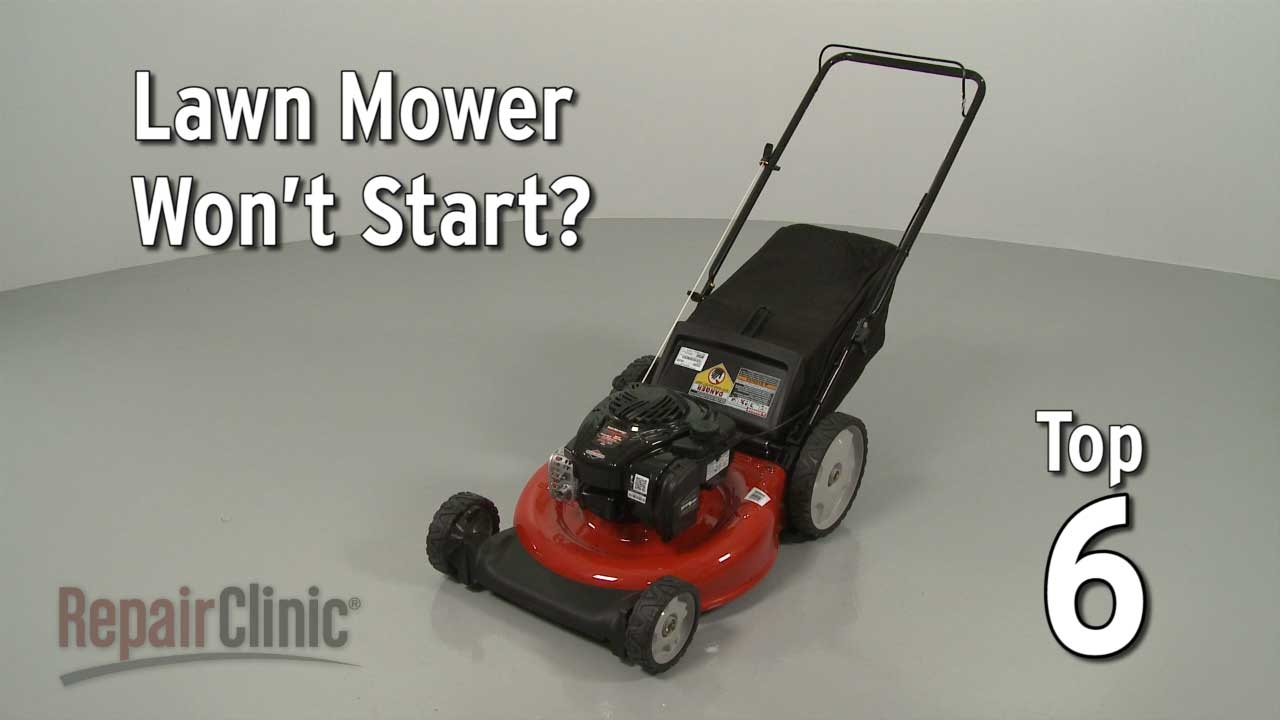
Is your lawn mower refusing to start? Understanding common causes can help. A lawn mower that won’t turn over can be frustrating. Let’s explore some frequent issues.
Dead Battery
A dead battery is a common problem. If your lawn mower has an electric start, check the battery. The battery might be drained. This can happen if the mower has not been used for a while. Look for signs of corrosion on the battery terminals. Corroded terminals can prevent the mower from starting. Cleaning the terminals may solve the issue.
Faulty Spark Plug
The spark plug is essential for starting your mower. A faulty spark plug can cause problems. Inspect the spark plug for dirt or damage. A dirty spark plug won’t ignite the fuel properly. This can prevent the mower from turning over. Replacing the spark plug is a simple and inexpensive fix. Always check the spark plug gap before installation.
Fuel Issues
Fuel issues are common culprits when a lawn mower won’t turn over. Understanding these problems can help you get your mower running again. In this section, we’ll discuss two major fuel issues: an empty gas tank and stale fuel.
Empty Gas Tank
An empty gas tank is the most obvious fuel issue. Without fuel, the engine cannot start. Always check the gas tank first if your lawn mower won’t turn over.
To check the gas tank:
- Remove the gas cap.
- Look inside the tank.
- If it’s empty, fill it with fresh gasoline.
Make sure to use the right type of fuel for your lawn mower. Most mowers require unleaded gasoline.
Stale Fuel
Stale fuel can also prevent your lawn mower from starting. Gasoline begins to degrade after 30 days, making it less effective.
Signs of stale fuel include:
- Strong odor
- Discolored fuel
- Engine sputtering
To fix stale fuel issues:
- Drain the old fuel from the tank.
- Dispose of the stale fuel properly.
- Refill the tank with fresh gasoline.
Consider using a fuel stabilizer to keep the gasoline fresh for longer.
Electrical Problems
Electrical issues can prevent your lawn mower from turning over. These problems are common and often easy to fix. Understanding the potential electrical faults can save you time and frustration. Below, we discuss two common electrical problems: blown fuses and loose wires.
Blown Fuse
A blown fuse can stop your lawn mower from starting. Fuses protect the electrical system by breaking the circuit if there’s an overload. Check the fuse box for any blown fuses. Replace any blown fuses with ones that have the same rating. This simple check can often solve the problem.
Loose Wires
Loose wires can also prevent your lawn mower from turning over. Vibrations from mowing can loosen connections over time. Inspect the wiring for any loose or disconnected wires. Reconnect and tighten any loose wires you find. This can restore the electrical flow and get your mower running again.
Engine Problems
If your lawn mower won’t turn over, you could be dealing with engine problems. These issues can vary in complexity but are often the main culprits behind a non-starting mower. Let’s dive into some common engine problems.
Seized Engine
A seized engine could be a serious problem. It occurs when the internal parts of the engine become stuck. This can happen if the mower has been left unused for a long time or if there is a lack of lubrication.
- Inspect the engine for signs of corrosion.
- Try to manually rotate the engine using a wrench.
- Check for any debris that might be obstructing the engine.
If the engine does not turn, it might require professional repair. Sometimes, adding a lubricant can help free the engine. Always follow safety precautions when attempting these fixes.
Low Oil Levels
Low oil levels can prevent your mower from starting. Engines need oil to function properly. Without enough oil, the engine can suffer damage.
- Check the oil level using the dipstick.
- Add oil if the level is below the recommended mark.
- Refer to the mower’s manual for the correct oil type.
Always keep the oil at the proper level to avoid engine damage. Regular maintenance can prevent this issue from occurring.
Starter Issues
One of the common reasons your lawn mower won’t turn over is due to starter issues. The starter is an essential part of getting your mower up and running. When it fails, your mower won’t start. Let’s take a closer look at two main components that could be causing the problem.
Defective Starter Motor
The starter motor is crucial for starting your mower. A defective starter motor can prevent your engine from cranking. Here are some signs that your starter motor might be defective:
- No sound when you turn the key.
- A clicking noise without the engine starting.
- The engine turns over slowly.
If you notice any of these signs, check the starter motor. In some cases, the motor might need cleaning. In others, you may need to replace it. Always check the connections to ensure they are secure.
Worn Starter Solenoid
The starter solenoid acts as a bridge between the battery and the starter motor. A worn solenoid can cause starting issues. Symptoms of a bad solenoid include:
- No response when turning the key.
- Engine cranks intermittently.
- Frequent clicking sounds.
If your solenoid is worn, it might not send enough power to the starter motor. Inspect the solenoid for signs of wear. You may need to replace it to get your mower running again.
| Component | Signs of Defect | Possible Solutions |
|---|---|---|
| Starter Motor | No sound, clicking noise, slow engine turn | Clean or replace the motor, check connections |
| Starter Solenoid | No response, intermittent cranking, clicking sounds | Inspect and replace the solenoid |
Safety Switches
Safety switches are essential for your lawn mower. They prevent accidents and ensure safe operation. If your lawn mower won’t turn over, these switches might be the reason.
Engaged Parking Brake
The parking brake must be engaged for the lawn mower to start. Check if the brake is set correctly. An engaged parking brake ensures the mower won’t move unexpectedly.
| Steps | Description |
|---|---|
| 1. Locate the brake | Find the parking brake lever or pedal. |
| 2. Engage the brake | Press or pull the brake to engage it. |
| 3. Attempt to start | Try starting the mower again. |
Faulty Seat Switch
The seat switch ensures the operator is seated before starting. If the switch is faulty, the lawn mower won’t start. Check the seat switch for proper function.
- Inspect the switch under the seat.
- Ensure it is not loose or damaged.
- Replace if necessary.
If the seat switch is in good condition, the mower should start. Always check these safety switches if your mower won’t turn over. They are common culprits and easy to fix.
Carburetor Problems
Is your lawn mower refusing to turn over? One common issue could be carburetor problems. The carburetor is essential for mixing air and fuel. If it’s not working correctly, your mower won’t start. Here, we’ll discuss two main carburetor issues: clogged jets and a dirty carburetor.
Clogged Jets
The jets in your carburetor control the fuel flow. Over time, they can get clogged. This happens due to dirt, debris, or old fuel. Clogged jets restrict fuel flow, causing starting problems. To fix this, you need to clean the jets.
Follow these steps to clean the jets:
- Turn off the mower and remove the carburetor.
- Locate the jets; they are small nozzles.
- Use a thin wire to clean out any debris.
- Reassemble the carburetor and try starting the mower.
Dirty Carburetor
A dirty carburetor can also cause starting issues. Dirt and grime build up inside the carburetor. This affects the fuel mixture and engine performance. Regular cleaning can prevent these issues.
Here’s how to clean a dirty carburetor:
- Turn off the engine and disconnect the spark plug.
- Remove the carburetor from the mower.
- Disassemble the carburetor carefully.
- Soak the parts in carburetor cleaner for a few hours.
- Scrub with a brush to remove any remaining dirt.
- Reassemble the carburetor and attach it back to the mower.
By addressing these carburetor problems, you can get your lawn mower up and running again. Regular maintenance is key to preventing these issues from recurring.
Maintenance Tips
Maintaining your lawn mower is crucial for its longevity and performance. Regular maintenance can prevent many common issues, such as the mower not turning over. Here are some essential tips to ensure your lawn mower stays in top shape.
Regular Inspections
Perform regular inspections to catch problems early. Check the spark plug, air filter, and fuel system. Clean or replace the spark plug yearly. A clogged air filter restricts airflow, causing the engine to struggle. Replace it if it’s dirty. Inspect the fuel system for leaks or clogged lines.
Proper Storage
Store your lawn mower properly to avoid damage. Keep it in a dry, sheltered place. Moisture causes rust and corrosion. Before storing, drain the fuel to prevent gum deposits. Clean the mower thoroughly. Remove grass clippings and debris. This prevents mold and keeps parts from wearing out.
Frequently Asked Questions
Why Won’t My Lawn Mower Start?
Your lawn mower may not start due to a dead battery, a clogged fuel line, or a faulty spark plug. Checking these common issues can help diagnose the problem.
How Do I Fix A Lawn Mower That Won’t Turn Over?
First, check the battery and fuel levels. Next, inspect the spark plug and air filter. If they are dirty, clean or replace them.
Can A Dirty Air Filter Cause Starting Problems?
Yes, a dirty air filter can restrict airflow, causing starting issues. Replace or clean the air filter regularly to ensure proper engine function.
What Should I Do If My Lawn Mower’s Battery Is Dead?
If the battery is dead, try recharging it. If that doesn’t work, consider replacing the battery with a new one.
Conclusion
A lawn mower that won’t turn over can be frustrating. Check the battery. Inspect the spark plug. Look for fuel issues. Regular maintenance prevents problems. Always follow the user manual. Seek professional help if needed. Keeping your mower in good condition ensures a lush, green lawn.
Happy mowing!
