

Who invented the first lawn mower? The answer is Edwin Beard Budding in 1830.
This invention changed how people maintained their lawns. Edwin Beard Budding, an engineer from England, created the first lawn mower in 1830. He got the idea from a machine used to cut cloth in factories. Before his invention, maintaining large lawns was hard work.
People used scythes and shears, which took a lot of time and effort. Budding’s lawn mower made the process quicker and easier. It was a push mower with a cylinder of blades. His invention helped shape modern lawn care. Today, lawn mowers are a common sight in many homes. Budding’s creation marked the beginning of a new era in gardening and landscaping.

Introduction To Lawn Mowers
Lawn mowers are essential tools for maintaining lawns. They keep yards neat and trimmed. They are part of everyday garden care. But who invented the first lawn mower? Understanding its origin helps appreciate its value.
Early Lawn Maintenance
Before lawn mowers, people used manual tools. Scythes and sickles were common. These tools required skill and effort. Only the wealthy had well-kept lawns. They hired many workers to maintain their gardens. It was labor-intensive and time-consuming.
Need For Mechanization
Manual lawn maintenance was hard work. The need for a better solution grew. People wanted an easier way to keep their lawns tidy. This desire led to the invention of the lawn mower. It made lawn care more accessible and efficient. The invention changed how people maintained their gardens forever.
The Inventor: Edwin Beard Budding
Edwin Beard Budding is the brilliant mind behind the first lawn mower. His invention transformed gardening and lawn care. This post dives into his life and inspirations. Let’s explore how he created this essential tool.
Early Life
Edwin Beard Budding was born in 1796 in Stroud, Gloucestershire, England. He grew up in a working-class family. From a young age, he showed a keen interest in mechanics. He worked in a local textile mill, which influenced his later inventions.
| Year | Event |
|---|---|
| 1796 | Birth in Stroud, Gloucestershire |
| Early 1800s | Started working in a textile mill |
Inspiration And Ideas
While working in the textile mill, Budding noticed a machine that cut cloth. This machine inspired him. He thought it could be adapted to cut grass. He began experimenting with designs and prototypes. After much trial and error, he patented his design in 1830.
- Budding’s inspiration came from a cloth-cutting machine.
- He realized it could be used to cut grass.
- He patented his lawn mower design in 1830.
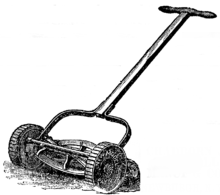
Budding’s lawn mower had a cylindrical blade. It was pushed from behind. This design allowed for an even cut. It was revolutionary for its time. The lawn mower quickly became popular in England. Soon, it spread to other parts of the world.
Edwin Beard Budding’s invention changed the way people cared for lawns. His legacy lives on in every lawn mower used today.
Development Of The First Lawn Mower
The invention of the first lawn mower marked a significant milestone in gardening history. Before its creation, maintaining a neat lawn was labor-intensive. The development of the first lawn mower revolutionized how people cared for their lawns.
Initial Designs
The initial designs of the lawn mower were simple yet innovative. Edwin Beard Budding, an engineer from England, conceptualized the idea in the 1830s. He was inspired by a machine used to trim the nap of cloth in a textile mill. Budding envisioned a similar device for cutting grass.
His design featured a series of blades arranged in a cylinder. This cylinder would rotate as the mower was pushed, cutting the grass evenly. It was a novel concept that promised to make lawn care easier and more efficient.
First Prototype
Budding partnered with John Ferrabee, a local engineer, to build the first prototype. They created the mower using cast iron and steel, materials that were durable and readily available. The prototype had two large wheels and a rear roller to control the height of the cut.
The first prototype was heavy, weighing around 60 pounds. Despite its weight, it proved effective in cutting grass smoothly. Budding and Ferrabee began producing and selling these mowers in 1830. They marketed it to large estates and sports grounds.
The invention quickly gained popularity. It was a practical solution to a common problem. The first lawn mower set the stage for future improvements and innovations in lawn care technology.
Patent And Commercialization
The journey of the lawn mower from invention to widespread use began with securing a patent. This crucial step protected the inventor’s creation and paved the way for commercial production. Understanding this process helps appreciate how the lawn mower became a household staple.
Patent Approval
Edwin Budding invented the first lawn mower in 1830. He designed it to cut grass on sports grounds and gardens. Budding’s invention was unique and effective.
To protect his idea, Budding applied for a patent. A patent gives the inventor exclusive rights to their creation. Budding received his patent on August 31, 1830. This patent was a vital step in bringing his invention to market.
Production And Sales
With the patent secured, Budding partnered with John Ferrabee. Ferrabee was a successful engineer and businessman. Together, they began producing lawn mowers in a factory. This partnership was crucial for large-scale production.
The first lawn mowers were sold to wealthy customers. These early machines were expensive and heavy. Despite this, they were popular among those who could afford them. Over time, improvements made lawn mowers more accessible.
As production techniques improved, lawn mowers became cheaper and lighter. This made them available to a wider audience. The lawn mower’s popularity grew, transforming garden care forever.
Impact On Society
The invention of the first lawn mower had a profound impact on society. It changed how people cared for their lawns and gardens. From small home gardens to large parks, the lawn mower made a big difference.
Changes In Lawn Care
Before the lawn mower, maintaining a lawn was labor-intensive. People used scythes and shears. This took a lot of time and effort. The lawn mower simplified this task. It allowed for quicker and easier lawn maintenance. This invention led to the popularity of well-kept lawns. Soon, having a neat lawn became a symbol of pride.
Cultural Influence
The first lawn mower also had a cultural impact. It changed how people viewed their outdoor spaces. Lawns became a place for leisure and social activities. Families could enjoy picnics and play games in their backyards. Parks became more accessible and inviting. As a result, lawns and gardens became an important part of community life.
Technological Advancements
The invention of the first lawn mower marked a significant shift in yard maintenance. Over time, technological advancements have greatly improved lawn mowers. These changes have made them more efficient, user-friendly, and environmentally friendly.
Improvements Over Time
Early lawn mowers were manual and required significant physical effort. Edwin Budding invented the first lawn mower in 1830. It was a cylindrical reel mower. The original design used a rotating cylinder with blades to cut grass.
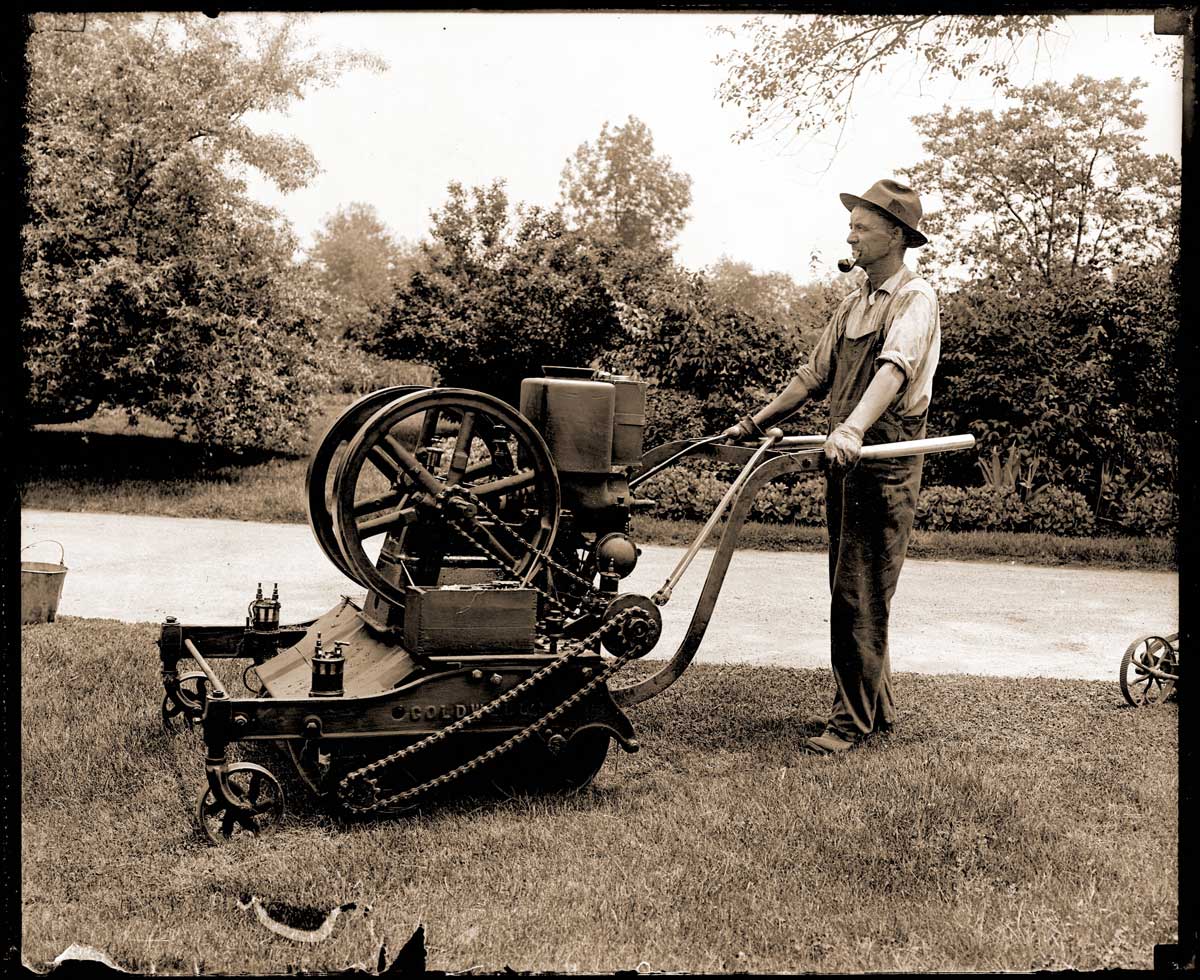
In the late 1800s, steam-powered lawn mowers were introduced. These were followed by gas-powered mowers in the early 1900s. Each new version reduced the physical effort needed to maintain a lawn.
Electric lawn mowers became popular in the mid-20th century. They were quieter and required less maintenance. Battery-operated mowers are now common. They are eco-friendly and convenient.
| Year | Type of Lawn Mower | Key Feature |
|---|---|---|
| 1830 | Manual Reel | Hand-pushed, cylindrical blades |
| 1890 | Steam-powered | Powered by steam engines |
| 1900s | Gas-powered | Internal combustion engines |
| 1950s | Electric | Powered by electricity |
| 2000s | Battery-operated | Eco-friendly, rechargeable batteries |
Modern Lawn Mowers
Modern lawn mowers come with various features to enhance the user experience. Self-propelled mowers reduce physical effort. They move forward on their own. Robotic mowers are also available. They can mow lawns autonomously.
Mulching mowers cut grass into small pieces. The clippings are left on the lawn as natural fertilizer. Zero-turn mowers offer excellent maneuverability. They are ideal for complex yard layouts.
Modern mowers often come with safety features. These include blade brakes and automatic shut-off. There are also smart mowers. They can be controlled via a smartphone app for convenience.
- Self-propelled mowers
- Robotic mowers
- Mulching mowers
- Zero-turn mowers
- Smart mowers
Legacy Of Edwin Beard Budding
Edwin Beard Budding invented the first lawn mower in 1830. He was an engineer from England. This invention transformed garden maintenance.
Edwin Beard Budding was a true innovator. In 1830, he invented the first lawn mower. His invention changed gardening forever. Before his mower, people used scythes to cut grass. This was slow and hard work. Budding’s mower made the job quicker and easier. His invention laid the foundation for modern gardening tools.Recognition And Awards
Budding’s work did not go unnoticed. He received much praise for his invention. Many awards honored his creativity. His mower was even displayed in exhibitions. This helped spread the word about his genius. People from all over admired his work. They saw the mower’s potential to save time and effort.Influence On Future Inventions
Budding’s lawn mower inspired many future inventions. Engineers improved upon his design over time. Today, we have motorized lawn mowers. These are even easier to use. His idea also led to other gardening tools. Trimmers, edgers, and more owe their existence to his mower. Budding’s legacy lives on in every garden. “`Fun Facts About Lawn Mowers
Lawn mowers are more than just garden tools. They have a rich history and some surprising trivia. Here are some fun facts that will make you appreciate lawn mowers even more.
Unusual Mowers
Not all lawn mowers look like the ones in your garage. Some are quite unique.
- Hover Mowers: These mowers float on a cushion of air. They are perfect for uneven terrain.
- Robotic Mowers: These are like Roombas for your lawn. They can mow without human help.
- Solar-Powered Mowers: These use solar panels to power their engines. They are eco-friendly and quiet.
There are also mowers designed for special purposes. For example, some can cut grass on steep slopes. Others are built for sports fields.
Record-breaking Achievements
Lawn mowers have set some impressive records. Here are a few:
| Record | Details |
|---|---|
| Fastest Mower | The fastest lawn mower can reach speeds of 150 mph. |
| Longest Mowing Time | A team once mowed for 24 hours straight. They covered 50 acres. |
| Largest Lawn Mower | The largest mower has a cutting width of 100 feet. |
These records show how diverse and innovative lawn mowers can be. From speed records to size, lawn mowers keep pushing boundaries.
Frequently Asked Questions
Who Invented The First Lawn Mower?
The first lawn mower was invented by Edwin Beard Budding in 1830. He was an engineer from England. Budding’s design was inspired by a machine used to cut cloth.
When Was The First Lawn Mower Invented?
The first lawn mower was invented in 1830. Edwin Beard Budding, an English engineer, created it. His invention revolutionized lawn care.
How Did The First Lawn Mower Work?
The first lawn mower used a cylinder with blades. The blades rotated as the mower was pushed. This design cut grass efficiently.
Why Was The Lawn Mower Invented?
The lawn mower was invented to maintain sports grounds and gardens. It provided a more efficient way to cut grass. This replaced the scythe, which was labor-intensive.
Conclusion
Edwin Budding’s invention of the lawn mower changed gardening forever. His creation in 1830 made cutting grass easier. People quickly adopted this new tool. Lawn maintenance became more efficient. Budding’s design inspired future improvements. Today, lawn mowers come in many shapes and sizes.
They owe their origins to Budding’s genius. Remember his name next time you mow your lawn. His innovation still impacts our lives. The simple idea turned into a household staple. Edwin Budding’s legacy lives on.
