
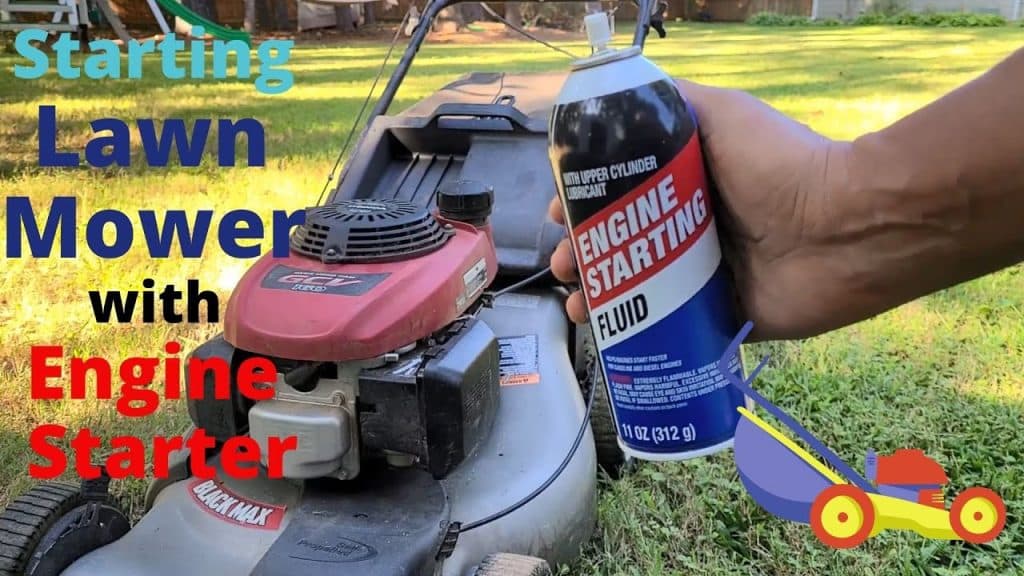
To spray starter fluid on a lawn mower, aim for the carburetor. This helps the engine start quickly.
Knowing where to spray can save time and effort. A well-maintained lawn mower ensures a tidy yard. Sometimes, though, the engine refuses to start. This can be frustrating, especially when you have a lot to do. Starter fluid can be a solution.
It helps the engine ignite and run smoothly. But where exactly should you spray it? Understanding the proper place can make all the difference. Let’s explore the correct way to use starter fluid and get your lawn mower running in no time.
Tools And Materials Needed
To spray starter fluid on your lawn mower, you need the right tools and materials. This ensures the job is done safely and effectively. Below are the essential tools and recommended starter fluids you will need.
Essential Tools
- Safety Glasses: Protect your eyes from splashes.
- Gloves: Keep your hands safe from chemicals.
- Screwdriver: Useful for removing the air filter cover.
- Clean Cloth: Wipe away any dirt or debris.
- Flashlight: Helps you see in low-light areas.
Recommended Starter Fluids
| Brand | Description |
|---|---|
| Prestone | High ether content for quick starts. |
| Gumout | Works well in cold weather. |
| STP | Reliable and easy to use. |
Make sure you have these tools and fluids before you start. This will help you complete the task efficiently and safely.
Identifying The Right Spot
Identifying the right spot to spray starter fluid in your lawn mower can be tricky. Understanding where to apply the fluid ensures your mower starts easily. This section will guide you through the process.
Locating The Carburetor
The carburetor mixes air and fuel for the engine. It’s a key part of your lawn mower. To find it, look near the air filter. It’s usually a small metal part with screws.
Here’s a simple table to help you locate it:
| Step | Description |
|---|---|
| 1 | Remove the mower’s cover. |
| 2 | Look for the air filter. |
| 3 | Find the metal part near it. |
Accessing The Air Intake
The air intake is where air enters the carburetor. Spraying starter fluid here helps start the engine. To access it, you might need to remove the air filter.
Follow these steps to access the air intake:
- Turn off the mower and remove the spark plug wire.
- Unscrew the air filter cover and remove the filter.
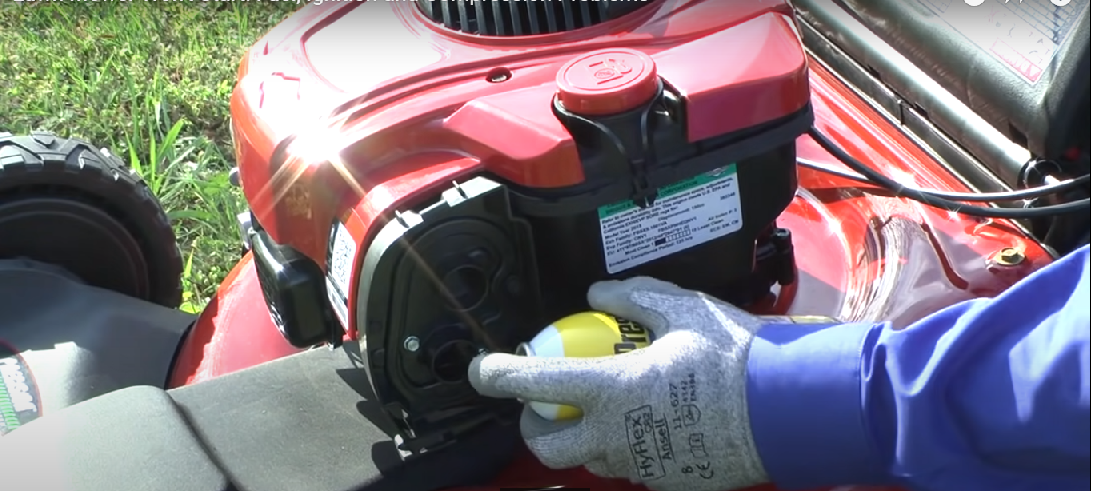
- Spray a small amount of starter fluid into the air intake.
- Replace the air filter and cover.
- Reconnect the spark plug wire and start the mower.
Remember, using starter fluid should be a last resort. Regular maintenance of your lawn mower can prevent starting issues. Always follow the manufacturer’s guidelines.
Preparation Steps
Getting your lawn mower ready for spraying starter fluid involves several key steps. Proper preparation ensures the process goes smoothly. Following these steps carefully will help you get your lawn mower running again.
Cleaning The Area
First, ensure the area around the carburetor is clean. Dirt and debris can affect performance. Use a clean cloth to wipe away any dirt. This prevents contamination when applying the starter fluid.
Checking The Fuel Level
Next, check the fuel level in the tank. The lawn mower needs enough fuel to start. Fill the tank if it is low or empty. Using fresh fuel is best for optimal performance.
Applying Starter Fluid
Starter fluid can help get your lawn mower running smoothly. Knowing where and how to spray it is key. This guide will help you apply starter fluid effectively. Follow these steps for the best results.
Proper Spray Technique
First, locate the air intake of your lawn mower. Remove the air filter to access the intake. Shake the starter fluid can well before use. Hold the can upright. Spray a short burst into the air intake. Be careful not to overspray. Close the air filter cover after spraying.
Amount To Use
Using the right amount of starter fluid is crucial. Too much can flood the engine. A short burst of 1-2 seconds is enough. If the mower does not start, try another short burst. Avoid continuous spraying. This can damage the engine.
Post-application Steps
After spraying starter fluid on your lawn mower, follow these steps to ensure everything works smoothly. Proper reassembly and engine starting are crucial. Let’s dive into the next steps.
Reassembling Parts
First, reassemble all the parts you removed earlier. This includes the air filter and cover. Make sure each part is secured in its correct place.
- Replace the air filter.
- Screw the air filter cover back on.
- Reconnect any other parts you detached.
A properly reassembled lawn mower ensures efficient performance. Double-check all connections and screws. This prevents future issues.
Starting The Engine
Once reassembled, it’s time to start the engine. Follow these steps:
- Move the throttle to the “start” position.
- Hold the starter handle firmly.
- Pull the starter rope briskly.
If the engine doesn’t start, repeat the process. Ensure you pull the rope with enough force. A few tries might be necessary.
Important: Always operate your lawn mower in a well-ventilated area. This ensures safety and prevents inhaling fumes.

Troubleshooting Tips
Spray starter fluid into the air intake of your lawn mower to help it start. Make sure to use a short burst. Avoid spraying directly into the carburetor.
Spraying starter fluid in the right place can fix many lawn mower issues. It’s important to understand common problems and know when to seek professional help. This guide helps you troubleshoot effectively.Common Issues
Lawn mowers often face problems like difficulty starting or stalling. These issues usually point to fuel system problems or clogged filters. Starter fluid can help in these cases. Spray it into the air intake or carburetor. This helps the engine start quickly. Always follow the manufacturer’s instructions for the best results.When To Seek Professional Help
Not all issues can be solved with starter fluid. If your lawn mower continues to have problems, it might need professional attention. Signs include persistent stalling or unusual noises. A professional can diagnose and fix deeper engine issues. Always consult a mechanic if you’re unsure. “`Maintenance Tips
Keeping your lawn mower in good shape ensures it works efficiently. Regular maintenance helps your mower last longer and perform better. Here are some essential maintenance tips for your lawn mower.
Regular Cleaning
Clean your lawn mower after every use. Grass clippings and debris can clog the mower. Use a brush or cloth to remove dirt from the blades and undercarriage. Make sure to disconnect the spark plug before cleaning. This prevents accidental starts. Regular cleaning keeps your lawn mower in top condition.
Seasonal Checks
Inspect your lawn mower at the start and end of each season. Check for any damage or wear on the blades. Replace dull or damaged blades to ensure a clean cut. Examine the air filter and replace it if dirty. A clean air filter improves engine performance. Check the oil level and change it if necessary. Fresh oil keeps the engine running smoothly. Lastly, spray starter fluid in the carburetor to ensure easy starts. Regular seasonal checks keep your lawn mower ready for action.

Frequently Asked Questions
Where Do You Spray Starter Fluid On A Lawn Mower?
Spray starter fluid directly into the carburetor. Remove the air filter for better access. Ensure the engine is off before spraying.
Can You Use Starter Fluid On All Lawn Mowers?
Yes, most lawn mowers can use starter fluid. Check the manufacturer’s guidelines for specific instructions and safety precautions.
How Much Starter Fluid Should I Use?
Use a small amount of starter fluid. Typically, a 2-3 second spray is sufficient. Overuse can damage the engine.
Is It Safe To Use Starter Fluid?
Yes, it’s generally safe. However, use it in a well-ventilated area. Follow all safety instructions on the canister.
Conclusion
Spraying starter fluid correctly ensures your lawn mower starts smoothly. Remember, spray into the carburetor’s air intake. Always use the right amount. Too much can damage your engine. Wear safety gear and work in a ventilated space. Check your lawn mower’s manual for specific instructions.
With these tips, your mower should run efficiently. Keep your lawn looking great with minimal effort. Regular maintenance prevents future problems. Follow these steps, and enjoy a well-kept lawn.
