
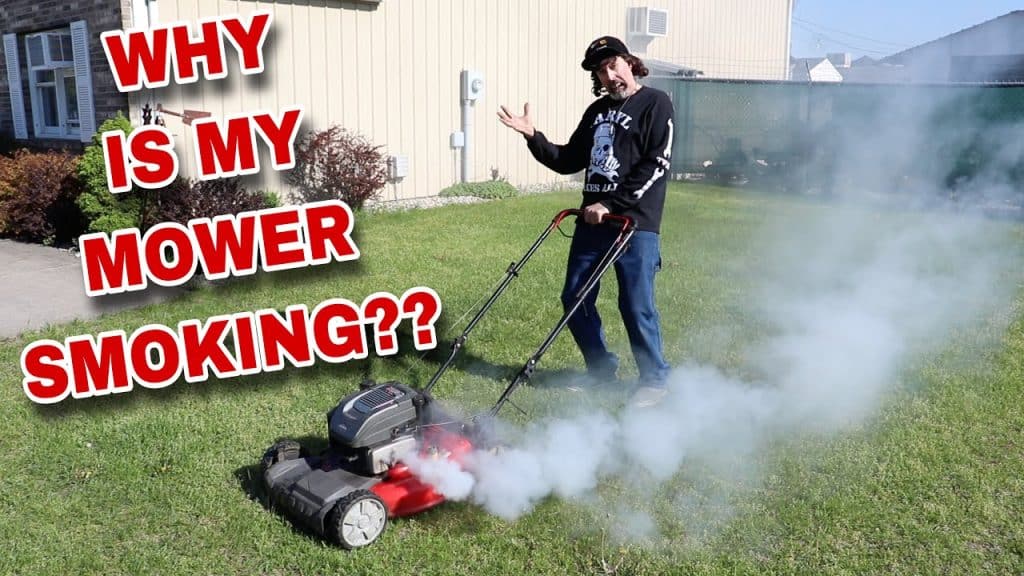
Seeing smoke from your lawn mower can be alarming. This usually means something is wrong.
A smoking lawn mower is not just a nuisance. It can signal issues that might need urgent attention. Understanding why your mower smokes is important for its longevity and your safety. Smoke can come from various sources: oil, fuel, or mechanical issues.
Knowing the cause helps you address the problem quickly and effectively. This guide will explain common reasons for lawn mower smoke. By the end, you will know how to diagnose and fix these issues. Let’s get started on keeping your lawn mower running smoothly.
Types Of Lawn Mower Smoke
Seeing smoke from your lawn mower can be alarming. Different colors of smoke indicate different issues. Understanding the type of smoke can help diagnose the problem. Let’s explore the common types of lawn mower smoke.
White Smoke
White smoke usually means the mower is burning oil. This happens when oil spills onto the engine. Overfilling the oil can also cause this. Check the oil level and adjust if needed. Using the wrong type of oil can also create white smoke. Make sure to use the recommended oil for your mower.
Blue Smoke
Blue smoke indicates the engine is burning oil. This often results from worn-out seals or gaskets. It can also mean the oil is leaking into the combustion chamber. You may need to replace the gaskets. Sometimes, a dirty air filter causes blue smoke. Check and clean the air filter regularly.
Black Smoke
Black smoke signals a fuel-related problem. It means the mower is burning too much fuel. A clogged air filter is a common cause. This restricts airflow and affects the fuel mix. Check the air filter and clean or replace it if dirty. The carburetor might also need adjustment. Ensure the carburetor settings are correct.
Oil Overfill Issues
One common issue with lawn mowers is smoke. A frequent cause is oil overfill. Understanding this problem can help you keep your mower running smoothly. Oil overfill can lead to various symptoms and potential damage.
Symptoms Of Overfilling
Oil overfill can cause several symptoms. Your lawn mower might emit white or blue smoke. This smoke is a clear sign of oil burning. Another symptom is the mower running rough. It may also stall or have trouble starting. Excess oil can leak, creating a mess. You might notice oil spots under your mower.
How To Fix Overfilled Oil
First, check the oil level with the dipstick. If the oil is above the “full” mark, you have too much oil. To fix this, drain the excess oil. You can use an oil extractor pump. Alternatively, remove the oil drain plug carefully. Let some oil out into a pan.
After draining, check the oil level again. Make sure it is between the “full” and “add” marks. If needed, add small amounts of oil until it is correct. Regularly maintain your mower to avoid future issues. Proper oil levels ensure your mower works efficiently.
Air Filter Problems
Your lawn mower’s air filter plays a crucial role. It ensures the engine gets clean air. But sometimes, air filter problems arise. These issues can make your mower smoke. Understanding these problems helps you fix them quickly.
Clogged Air Filter
A clogged air filter is a common issue. Dirt and debris block the filter. This restricts airflow to the engine. When the engine gets less air, it burns more fuel. This leads to black smoke. Regularly check the air filter. Clean it if you see dirt buildup. A clean filter ensures smooth operation.
Replacing The Air Filter
Sometimes, cleaning the air filter is not enough. If the filter is too dirty, replace it. First, locate the air filter cover. Remove the cover using a screwdriver. Take out the old filter. Insert a new filter in its place. Ensure it fits properly. Put the cover back on. A new filter improves air intake. This reduces smoke and enhances performance.
Fuel System Troubles
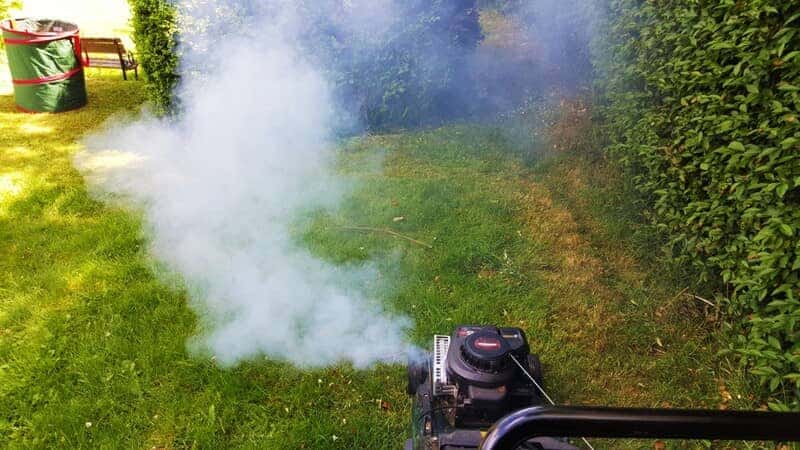
Experiencing smoke from your lawn mower can be alarming. Often, the problem lies within the fuel system. Understanding common fuel system troubles can help you diagnose and fix the issue.
Old Or Contaminated Fuel
Using old or contaminated fuel can cause your lawn mower to smoke. Fuel degrades over time, leading to poor performance. This can result in incomplete combustion, producing smoke.
To prevent this, always use fresh fuel. If your mower has been sitting idle for months, drain the old fuel. Replace it with new fuel to ensure smooth operation.
Cleaning The Fuel System
A dirty fuel system can also cause your lawn mower to smoke. Over time, dirt and debris can clog the fuel lines and carburetor. This restricts fuel flow, leading to inefficient combustion and smoke.
Here are steps to clean the fuel system:
- Turn off the mower and let it cool down.
- Drain the fuel tank completely.
- Use a fuel system cleaner to flush out the debris.
- Check the fuel filter and replace it if it’s dirty.
- Refill the tank with fresh fuel.
Regular cleaning of the fuel system ensures optimal performance. It reduces the chances of smoke and other issues.
Engine Mechanical Issues
Your lawn mower smoking can be a sign of engine mechanical issues. These issues are crucial to address. Ignoring them can lead to severe damage. Understanding the common causes can help you fix the problem quickly.
Worn Piston Rings
Worn piston rings are a common cause of smoke. Piston rings seal the combustion chamber. Over time, they wear out. When this happens, oil can leak into the combustion chamber. This oil burns and produces smoke. You may notice blue or white smoke. Replacing the piston rings can fix this issue.
Valve Seal Problems
Valve seals keep oil from entering the combustion chamber. If they wear out, oil can leak into the engine. This results in smoke. Valve seal problems often cause blue smoke. Regularly checking and replacing valve seals can prevent this issue.

Carburetor Adjustments
Carburetor adjustments can often be the reason your lawn mower smokes. The carburetor controls the mix of air and fuel in the engine. If this mix is off, smoke can appear. Adjusting the carburetor is crucial to stop the smoke and keep your lawn mower running smoothly.
Rich Fuel Mixture
A rich fuel mixture means too much fuel and not enough air. This imbalance causes black smoke. Excessive fuel doesn’t burn fully, leading to smoke and soot. Check the carburetor settings. Adjust them to ensure the proper balance. A cleaner burn will reduce smoke.
Lean Fuel Mixture
A lean fuel mixture has too much air and not enough fuel. This can cause white or blue smoke. The engine may overheat, damaging internal parts. To fix this, adjust the carburetor to allow more fuel. This ensures a proper mix and reduces smoke.
Exhaust System Concerns
Is your lawn mower smoking? The exhaust system could be the culprit. Issues within the exhaust system can lead to smoke. It’s crucial to identify and resolve these problems promptly.
Blocked Muffler
A blocked muffler can cause your lawn mower to smoke. The muffler’s job is to reduce noise and direct exhaust gases away. When it gets blocked, it traps gases inside the engine. This causes smoke. How can you tell if the muffler is blocked?
- Reduced engine power
- Strange noises
- Visible smoke
To fix a blocked muffler, clean it or replace it. Check the muffler for debris and soot. Clean it with a brush or a vacuum. If the blockage is severe, consider replacing the muffler.
Damaged Exhaust Components
Smoke can also come from damaged exhaust components. The exhaust system has several parts, including the exhaust pipe, manifold, and gaskets. Damage to any of these parts can lead to leaks and smoke.
Signs of damaged exhaust components include:
- Rattling noises
- Excessive smoke
- Poor engine performance
Inspect the exhaust system for cracks, holes, or loose parts. Tighten any loose components. Replace damaged parts to stop the smoke. Regular maintenance can prevent these issues.
By addressing these exhaust system concerns, you can keep your lawn mower running smoothly and smoke-free.

Routine Maintenance Tips
Regular maintenance keeps your lawn mower in top shape. It prevents issues like smoking. Here are some essential tips to follow.
Regular Oil Changes
Changing your lawn mower’s oil regularly is crucial. Old oil can cause smoke. Follow these steps for a proper oil change:
- Warm up the engine for a few minutes.
- Turn off the mower and disconnect the spark plug.
- Drain the old oil into a container.
- Refill with fresh, high-quality oil.
- Reconnect the spark plug and start the engine.
Check the oil level often. Add oil if it is low. Always use the correct type of oil for your mower.
Seasonal Checks
Seasonal checks ensure your lawn mower runs smoothly. Perform these checks at the start of each season:
- Inspect the air filter. Clean or replace it if dirty.
- Check the spark plug. Replace it if worn or damaged.
- Examine the fuel system. Replace old fuel with fresh gasoline.
- Inspect the blades. Sharpen or replace if they are dull.
| Check | Action |
|---|---|
| Air Filter | Clean or Replace |
| Spark Plug | Replace if Worn |
| Fuel System | Use Fresh Gasoline |
| Blades | Sharpen or Replace |
These checks can prevent smoking and other problems. They extend the life of your lawn mower. Make them a regular part of your routine.
Frequently Asked Questions
Why Is My Lawn Mower Smoking?
A lawn mower can smoke due to oil spillage, clogged air filters, or engine issues. Identifying the source helps resolve the problem.
How Do I Stop My Lawn Mower From Smoking?
Check for oil leaks, clean the air filter, and ensure proper fuel levels. Regular maintenance prevents smoking issues.
Can A Clogged Air Filter Cause Smoking?
Yes, a clogged air filter restricts airflow, causing the engine to burn more fuel and produce smoke. Clean or replace it.
Is White Smoke From A Lawn Mower Bad?
White smoke usually indicates oil burning in the engine. It may be due to overfilling or a faulty head gasket.
Conclusion
Understanding why your lawn mower smokes helps maintain its lifespan. Regular maintenance is key. Check the oil, air filter, and fuel. Clean or replace parts as needed. Avoid overfilling oil and using old fuel. Address issues promptly to prevent further damage.
A well-maintained mower runs smoothly. Keep an eye on it and enjoy a healthy lawn. Remember, a little care goes a long way. Happy mowing!
