
How much oil goes in a lawn mower? This is a common question for new lawn mower owners.
Typically, a lawn mower needs 15 to 20 ounces of oil. But it can vary by model. Caring for your lawn mower ensures it runs smoothly and lasts longer. One crucial part of maintenance is knowing the right amount of oil to use.
Too little oil can damage the engine. Too much oil can cause leaks and other issues. This blog will help you understand the correct oil quantity for your lawn mower. We’ll also discuss why proper oil levels are vital for your mower’s health. Keep reading to learn how to keep your lawn mower in top shape.

Importance Of Oil In Lawn Mowers
Regular oil maintenance is vital for lawn mowers. The oil ensures the engine runs smoothly. It also prevents wear and tear. Without proper oil levels, your lawn mower may face serious issues.
Role Of Oil In Engine Performance
Oil lubricates the engine’s moving parts. This reduces friction. Less friction means less heat. It also helps clean the engine. Oil picks up dirt and particles. This keeps the engine clean and efficient. Regular oil changes are essential. They maintain the engine’s performance. They also extend its life.
Consequences Of Low Oil Levels
Low oil levels can cause damage. Engines may overheat. Overheating can lead to engine failure. Parts may grind against each other. This causes wear and tear. It can also seize the engine. Repairing such damage is expensive. It is better to check oil levels regularly. This prevents costly repairs.
Types Of Oil For Lawn Mowers
Knowing the right types of oil for your lawn mower is crucial. The correct oil ensures your lawn mower runs smoothly and lasts longer. Below, we discuss the different types of oil you can use.
Synthetic Vs. Conventional Oil
Conventional oil is the traditional option. It is derived directly from crude oil. Many lawn mowers use this type of oil. It is generally less expensive and widely available. However, it may not offer the same level of performance as synthetic oil.
Synthetic oil is man-made. It offers better protection and performance. Synthetic oil can handle extreme temperatures better. It also tends to last longer between changes. This type of oil reduces engine wear. Though it is more expensive, many find it worth the cost.
Recommended Oil Grades
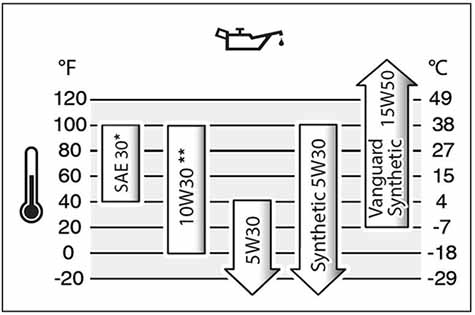
Using the correct oil grade is important. The grade depends on your mower and operating conditions. Here is a table to help you choose:
| Temperature Range | Recommended Oil Grade |
|---|---|
| -20°F to 100°F | SAE 5W-30 |
| 0°F to 100°F | SAE 10W-30 |
| 32°F and up | SAE 30 |
Follow your lawn mower’s manual for specific recommendations. This ensures optimal performance and longevity. Choosing the right oil grade is essential for the best results.
Determining The Right Amount Of Oil
Adding the correct amount of oil to your lawn mower is crucial. It ensures your machine runs smoothly. Too much or too little oil can cause damage. To avoid this, follow these simple steps.
Checking The Owner’s Manual
The first step is to check the owner’s manual. This manual provides specific details about your mower’s oil capacity. Each model is different. The manual will give you the exact amount needed.
If you do not have the manual, you can often find it online. Search for your mower model followed by “owner’s manual”. Most manufacturers provide digital copies.
Typical Oil Capacity For Common Models
While the owner’s manual is the best guide, knowing typical capacities can help. Here are some common models and their usual oil capacities:
| Lawn Mower Model | Oil Capacity (in ounces) |
|---|---|
| Honda HRX217 | 18.5 oz |
| John Deere E100 | 48 oz |
| Toro Recycler 22 | 20 oz |
Always measure the oil you add. Use a clean measuring cup. Pour slowly to avoid overfilling. Check the oil level with the dipstick.
Remember to use the right type of oil. Lawn mowers usually use SAE 30 oil. Check your manual to be sure.
Steps To Check Oil Levels
Checking the oil level in your lawn mower is essential for its maintenance. Regular checks ensure the engine runs smoothly and lasts longer. Follow these steps to keep your lawn mower in top shape.
Tools Needed
Before you start, gather these tools:
- Clean cloth or paper towel
- Oil dipstick (usually built into the mower)
- Funnel (optional)
- Fresh oil (if needed)
Step-by-step Process
Follow this simple process to check your lawn mower’s oil level:
- Park the mower on a flat surface. Ensure the engine is cool.
- Locate the oil cap. Usually found on the side of the engine.
- Remove the oil cap. Wipe the dipstick clean with a cloth.
- Reinsert the dipstick fully. Then remove it to check the oil level.
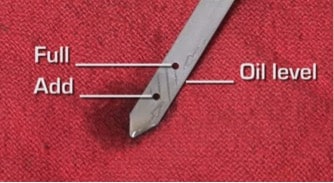
- Check the oil level. It should be between the “Full” and “Add” marks.
- If the oil is low, add small amounts using a funnel. Recheck until correct.
- Wipe any spills. Replace the oil cap securely.
Regularly checking your lawn mower’s oil ensures a longer engine life. Follow these steps for an easy and efficient check.
How To Add Oil To Your Lawn Mower
Adding oil to your lawn mower is essential for its smooth operation. Proper oil levels ensure the engine runs efficiently. Follow these steps to add oil to your lawn mower safely and correctly.
Safety Precautions
- Always turn off the lawn mower before adding oil.
- Disconnect the spark plug to prevent accidental starts.
- Wear gloves to protect your hands from oil and dirt.
- Read the owner’s manual for specific instructions.
- Work in a well-ventilated area to avoid inhaling fumes.
Filling Procedure
- Place the lawn mower on a flat surface. This ensures accurate oil levels.
- Locate the oil fill cap and dipstick. They are usually marked with an oil can symbol.
- Clean the area around the oil fill cap to prevent dirt from entering the engine.
- Remove the oil fill cap and dipstick. Wipe the dipstick clean with a rag.
- Slowly pour oil into the oil fill tube. Use a funnel to avoid spills.
- Periodically check the oil level with the dipstick. Ensure it reaches the “Full” mark.
- Once the oil level is correct, replace the oil fill cap and dipstick.
- Reconnect the spark plug. Your lawn mower is now ready to use.
Adding the right amount of oil is crucial for your lawn mower’s performance. Follow these steps to keep your engine running smoothly and efficiently.

When To Change Lawn Mower Oil
Changing the oil in your lawn mower is crucial for its performance. Regular oil changes ensure the engine runs smoothly. Knowing when to change the oil can be tricky. But there are some telltale signs and recommended intervals to follow.
Signs Indicating Oil Change
A few signs indicate it’s time to change the oil. First, check the oil color. Dark and dirty oil means it’s time for a change. Second, listen to your mower. If it sounds louder or rougher, the oil might be old. Lastly, check for smoke. Blue or white smoke can mean the oil needs changing.
Recommended Oil Change Intervals
Manufacturers usually recommend changing lawn mower oil after 20-50 hours of use. For push mowers, change the oil every 50 hours. For riding mowers, every 100 hours is ideal. Also, change the oil at the start of each mowing season. This keeps the engine in top shape.
Disposing Of Used Oil
Proper disposal of used oil is crucial for maintaining a clean environment. Understanding the right methods helps prevent harmful pollution. Let’s explore how to dispose of used lawn mower oil responsibly.
Environmental Considerations
Used oil contains toxic substances that can harm the environment. Dumping it improperly can contaminate soil and water sources.
- Soil Contamination: Used oil can seep into the ground, affecting plant growth.
- Water Pollution: Oil can enter waterways, harming aquatic life.
- Air Quality: Burning used oil releases harmful pollutants into the air.
Proper Disposal Methods
Follow these steps to dispose of used lawn mower oil correctly:
- Collect Used Oil: Use a clean container to collect the old oil.
- Seal the Container: Make sure the container is tightly sealed to avoid leaks.
- Find a Recycling Center: Locate a nearby recycling or hazardous waste disposal center.
- Transport Safely: Take the sealed container to the disposal site.
Many auto parts stores and service stations also accept used oil for recycling.
Additional Maintenance Tips
Maintaining your lawn mower extends its lifespan and ensures it runs smoothly. Regular oil changes are crucial, but other maintenance tasks are also important. Here are some additional tips to keep your lawn mower in top shape.
Air Filter Maintenance
The air filter keeps dirt and debris out of the engine. Check the filter every 25 hours of use. Clean or replace it if it’s dirty. A clean air filter improves engine performance. It also helps your lawn mower last longer.
Spark Plug Care
The spark plug is vital for starting your lawn mower. Inspect it every season. Look for signs of wear or damage. Replace the spark plug if needed. This ensures easy starts and smooth operation. It’s a simple but important task.
Frequently Asked Questions
How Much Oil Does A Lawn Mower Need?
Most lawn mowers need about 15 to 20 ounces of oil. Always check the manufacturer’s manual for exact specifications.
Can I Overfill My Lawn Mower With Oil?
Yes, overfilling can damage the engine. It can cause leaks and smoking. Always fill to the recommended level.
How Often Should I Change Lawn Mower Oil?
Change the oil every 25-50 hours of use. For new mowers, change the oil after the first five hours.
What Type Of Oil Is Best For Lawn Mowers?
Use SAE 30 oil for warm climates. For cold climates, use SAE 10W-30. Check the manual for recommendations.
Conclusion
Maintaining your lawn mower is crucial. Proper oil levels ensure smooth operation. Always check the manual for exact oil requirements. Regularly changing the oil extends the mower’s life. Using the right oil type matters, too. Clean oil keeps the engine healthy.
Neglecting oil changes can damage your mower. Simple steps make a big difference. Keep an eye on oil levels. Ensure your lawn mower runs efficiently. Happy mowing!
