
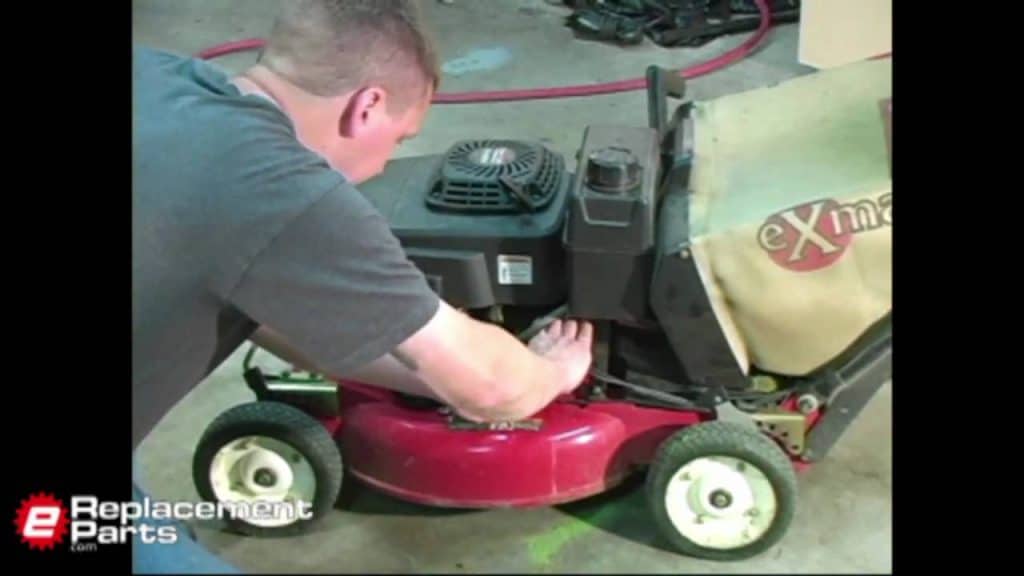
Changing the oil in a lawn mower is crucial for its performance. But how often should you do it?
Regular oil changes keep your lawn mower running smoothly. Fresh oil lubricates the engine, reducing wear and tear. This prevents breakdowns and prolongs the machine’s life. Knowing when to change the oil can save you time and money. Most lawn mowers need an oil change after every 50 hours of use.
For seasonal users, once a year is usually enough. But factors like mower type and usage frequency can affect this schedule. In this blog, we will explore the best practices for changing your lawn mower’s oil, so you can keep your equipment in top shape. Stay tuned for tips and guidelines to help you maintain your lawn mower with ease.
Importance Of Regular Oil Changes
Regular oil changes are crucial for your lawn mower’s health. They ensure the engine runs smoothly. Dirty oil can cause serious damage. Understanding the importance can save you time and money.
Extend Engine Life
Regular oil changes help extend the life of your lawn mower’s engine. Clean oil reduces friction. It ensures that all moving parts work efficiently. This prevents wear and tear. Dirty oil can clog the engine and cause overheating. Regular changes keep the engine running cool and clean.
Improve Performance
Changing the oil improves your lawn mower’s performance. Fresh oil lubricates the engine better. This leads to smoother operation. Your mower will start more easily. It will also cut grass more efficiently. Old oil can cause sluggish performance. Regular oil changes keep your mower in top shape.
Signs Your Lawn Mower Needs An Oil Change
Changing the oil in your lawn mower is crucial for its performance. Knowing the signs your lawn mower needs an oil change can save you time and money. Here are some key indicators to look out for:
Engine Noise
One of the first signs is unusual engine noise. If your lawn mower sounds louder than usual, it may need an oil change. The oil lubricates the engine parts. Without it, they grind against each other, causing noise.
Listen for any knocking or rattling sounds. These noises can indicate that the oil is no longer effective. Don’t ignore these sounds. They can lead to more significant engine problems.
Dirty Oil
Another sign is dirty oil. Check the oil by removing the dipstick. Clean oil is amber in color. If the oil looks dark or dirty, it is time for a change.
Contaminated oil can cause the engine to overheat. It can also reduce the efficiency of the mower. Regularly checking the oil ensures it stays clean and effective.
Here’s a quick checklist to identify if your oil is dirty:
- Color: Dark or black oil
- Consistency: Thick and gritty texture
- Smell: Burnt or unusual odor
Keeping an eye on these signs can help maintain your lawn mower’s health.
Ideal Frequency For Oil Changes
Regular oil changes keep your lawn mower running smoothly. Clean oil lubricates parts, reduces wear, and prevents engine damage. But how often should you change the oil? Let’s explore the ideal frequency.
Manufacturer Recommendations
Check your lawn mower’s manual first. Manufacturers provide specific guidelines based on the model. Following these recommendations ensures optimal performance and longevity.
| Brand | Oil Change Interval |
|---|---|
| Honda | Every 50 hours |
| Briggs & Stratton | Every 25 hours |
| Toro | Every 50 hours |
General Guidelines
If you can’t find your manual, follow these general guidelines:
- Change oil every 25-50 hours of use.
- For push mowers, change at least once a season.
- For riding mowers, change twice a season.
Also consider these factors:
- Frequency of use: More frequent use means more frequent oil changes.
- Operating conditions: Dusty or dirty environments require more frequent changes.
- Engine type: Older engines may need more frequent oil changes.
Regular maintenance protects your investment. Keep your lawn looking its best with timely oil changes.

Factors Influencing Oil Change Frequency
Understanding how often to change the oil in your lawn mower is essential. Several factors influence the frequency of oil changes. By knowing these factors, you can keep your lawn mower running smoothly and efficiently.
Mowing Conditions
Mowing conditions play a significant role in oil change frequency. Dusty or dirty environments can cause oil to become contaminated faster. If you mow tall grass or thick weeds, it may also require more frequent oil changes. Regularly check the oil’s condition in such environments.
Type Of Oil Used
The type of oil used in your lawn mower also affects how often you need to change it. Synthetic oils generally last longer than conventional oils. They provide better protection and reduce wear. Check your lawn mower’s manual to see the recommended oil type.
Types Of Oil For Lawn Mowers
Choosing the right type of oil for your lawn mower is crucial. The oil affects the performance and lifespan of your machine. Different types of oil suit different mowers and conditions. Let’s explore the types of oil and how to choose the best one.
Synthetic Vs Conventional
Synthetic oil offers better performance in extreme temperatures. It also provides better lubrication. This can lead to a longer engine life. Conventional oil is less expensive. It works well in mild conditions. However, it may not protect the engine as effectively as synthetic oil. Consider your budget and mowing conditions when choosing between synthetic and conventional oil.
Seasonal Considerations
The time of year affects oil choice too. In summer, use oil with higher viscosity. This helps the mower run smoothly in hot conditions. In winter, choose oil with lower viscosity. This ensures the engine starts easily in cold weather. Always check the manufacturer’s recommendations. They provide the best advice for your specific model and climate.

How To Change Lawn Mower Oil
Changing the oil in your lawn mower is essential for its longevity. Regular oil changes keep the engine running smoothly. This guide will help you change your lawn mower oil. Follow these steps to ensure your mower stays in top shape.
Tools Needed
- Oil drain pan
- Wrench set
- New oil filter (if applicable)
- Funnel
- Fresh engine oil
- Rags or paper towels
- Gloves
Step-by-step Process
1. Prepare Your Mower: Move your mower to a flat surface. Turn it off and let the engine cool. Disconnect the spark plug to avoid accidental starts.
2. Drain the Old Oil: Place the oil drain pan beneath the drain plug. Remove the drain plug with a wrench. Allow the old oil to drain completely.
3. Replace the Oil Filter: If your mower has an oil filter, replace it. Unscrew the old filter and install the new one. Lubricate the gasket with a bit of fresh oil.
4. Add New Oil: Use a funnel to pour the new oil into the engine. Check your mower’s manual for the correct type and amount of oil.
5. Check the Oil Level: After adding oil, check the level with the dipstick. Add more oil if needed, but do not overfill.
6. Clean Up: Wipe away any spilled oil. Dispose of the old oil properly. Reconnect the spark plug.
Regular maintenance ensures your lawn mower performs at its best. Follow these steps to keep your mower running smoothly.
Disposing Of Used Oil
Changing the oil in your lawn mower is crucial. But disposing of used oil properly is equally important. Improper disposal can harm the environment and pose health risks. Here’s a guide on how to do it right.
Environmental Impact
Used oil from lawn mowers can be toxic. It contaminates soil and water if not disposed of correctly. One gallon of used oil can ruin a million gallons of water. This pollution harms wildlife and affects human health. Proper disposal helps protect our environment.
Proper Disposal Methods
Disposing of used oil requires following specific methods. Here are the steps you should take:
- Collect the Used Oil: Use a container with a secure lid. Make sure it is clean and leak-proof.
- Transport the Oil: Take the container to a recycling center or a service station. Many auto parts stores also accept used oil.
- Check Local Regulations: Some areas have specific guidelines for oil disposal. Always follow local rules.
Here is a quick reference table for proper disposal methods:
| Method | Details |
|---|---|
| Recycling Centers | Most centers accept used oil for free. |
| Service Stations | Some stations offer used oil disposal services. |
| Auto Parts Stores | Many stores accept used oil as a service. |
Following these steps ensures that you dispose of used oil safely. It protects the environment and keeps our communities clean.

Additional Maintenance Tips
Regular oil changes are key to keeping your lawn mower running smoothly. But it’s not the only task in your maintenance routine. There are other essential tips to keep your mower in top shape. Here are some additional maintenance tips to consider:
Air Filter Replacement
An air filter keeps dirt and debris from entering the engine. Over time, it can get clogged. This reduces the mower’s efficiency. Check the air filter every 25 hours of use. Replace it if it’s dirty or damaged. A clean filter ensures optimal performance. Here’s a quick guide:
- Locate the air filter compartment.
- Remove the cover and take out the filter.
- If it’s a paper filter, replace it. If it’s a foam filter, clean it with soap and water.
- Let it dry completely before reinstallation.
Blade Sharpening
Sharp blades are crucial for a clean, even cut. Dull blades tear the grass, making it more prone to disease. Sharpen the blades at least once a season. If you mow often, do this more frequently. Follow these steps for blade sharpening:
- Disconnect the spark plug for safety.
- Turn the mower on its side.
- Use a wrench to remove the blade.
- Secure the blade in a vice.
- Use a file or grinder to sharpen the edges.
- Balance the blade before reattaching it.
Regular maintenance keeps your lawn mower efficient. It also extends its lifespan. Remember these tips next time you service your mower.
Frequently Asked Questions
How Often Should I Change Lawn Mower Oil?
You should change your lawn mower oil every 50 hours of use or once per season. Regular oil changes ensure optimal performance and longevity of your mower.
What Happens If I Don’t Change Lawn Mower Oil?
If you don’t change the oil, the engine can overheat and wear out faster. Dirty oil reduces lubrication, leading to potential engine failure.
Can I Use Car Oil In My Lawn Mower?
Yes, you can use car oil, but check the mower’s manual first. Typically, SAE 30 or 10W-30 oils are recommended for lawn mowers.
How Do I Know When To Change Lawn Mower Oil?
Check the oil’s color and consistency. If it’s dark and gritty, it’s time for a change. Follow the manufacturer’s recommendations for best results.
Conclusion
Regular oil changes keep your lawn mower running smoothly. Changing oil every 25-50 hours of use is ideal. For seasonal use, once a year works. Always check your manual for specific guidelines. Clean oil prolongs engine life and improves performance.
Simple maintenance now prevents costly repairs later. Keep your mower in top shape with timely oil changes. Happy mowing!
