

Your lawn mower needs the right oil to run well. So, what kind of oil does your lawn mower take?
The answer depends on the type of engine and the mower’s model. Maintaining your lawn mower is crucial for a healthy, green lawn. The right oil keeps the engine running smoothly and extends its lifespan. Different mowers need different oils, like synthetic, conventional, or specific grades.
Choosing the correct oil ensures your mower performs at its best. In this guide, we’ll explore various types of oil suitable for lawn mowers. This way, you can make an informed decision and keep your equipment in top shape. Let’s dive in and find the best oil for your lawn mower.

Types Of Lawn Mower Engines
Choosing the right oil for your lawn mower depends on the engine type. There are two main types of lawn mower engines: two-stroke and four-stroke. Each type has specific requirements for oil. Understanding these differences ensures your lawn mower runs smoothly and lasts longer.
Two-stroke Engines
Two-stroke engines are simpler and lighter. They are common in smaller, handheld lawn mowers. These engines require a mix of oil and gasoline. The oil lubricates the engine parts, reducing wear and tear.
Typically, a 50:1 ratio of gasoline to oil is used. Always check the manufacturer’s manual for the correct ratio. Using the wrong mix can damage the engine. Here’s a quick guide:
| Gasoline (Liters) | Oil (Milliliters) |
|---|---|
| 1 | 20 |
| 5 | 100 |
| 10 | 200 |
Use high-quality two-stroke oil for the best performance. Avoid using automotive oil. It is not designed for two-stroke engines.
Four-stroke Engines
Four-stroke engines are more complex but more efficient. They are common in larger, walk-behind lawn mowers. These engines have a separate oil reservoir. You do not need to mix oil with gasoline.
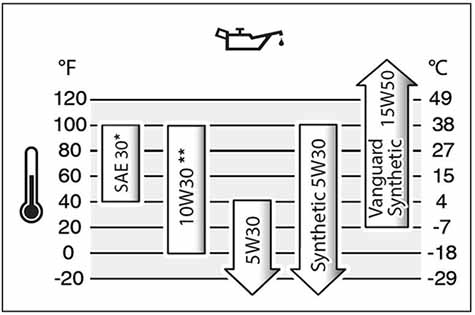
Use SAE 30 motor oil for most four-stroke engines. If the temperature is lower, use 5W-30 oil. Always check the manufacturer’s manual for the recommended oil type.
Here’s a quick guide to oil types based on temperature:
| Temperature Range | Oil Type |
|---|---|
| Above 40°F (4°C) | SAE 30 |
| Below 40°F (4°C) | 5W-30 |
| All Temperatures | Synthetic SAE 5W-30 |
Check the oil level regularly. Change the oil at least once a season or after 50 hours of use. This keeps the engine running efficiently and extends its life.
Common Lawn Mower Oils
Choosing the right oil for your lawn mower is crucial. It keeps your mower running smoothly and efficiently. Different types of oils are available for lawn mowers, each with its own benefits. Here are some common options to consider.
Sae 30 Oil
SAE 30 oil is a popular choice for small engines. It works well in warmer temperatures. This oil type provides good protection. It helps keep your engine clean and running smoothly.
10w-30 Oil
10W-30 oil is versatile. It performs well in a range of temperatures. This oil offers good cold weather starting. It also provides excellent lubrication. Many people prefer it for its adaptability.
Synthetic Oil
Synthetic oil offers superior performance. It works well in both hot and cold conditions. This oil type reduces wear and tear on the engine. It also lasts longer than conventional oils. Many lawn mower owners find it a reliable choice.
Choosing The Right Oil
Choosing the right oil for your lawn mower is essential. It ensures optimal performance and extends the lifespan of your machine. The type of oil you use can depend on several factors, including the climate you live in and the type of engine your mower has. Let’s dive into these considerations to help you make an informed decision.
Climate Considerations
The climate in your area plays a significant role in selecting the right oil. Different oils perform better in different temperatures. Use the table below to guide your choice:
| Climate | Recommended Oil |
|---|---|
| Cold (Below 32°F / 0°C) | SAE 5W-30 |
| Moderate (32°F to 77°F / 0°C to 25°C) | SAE 10W-30 |
| Hot (Above 77°F / 25°C) | SAE 30 |
In cold climates, SAE 5W-30 oil is ideal. It flows easily at low temperatures. For moderate temperatures, SAE 10W-30 offers good protection. In hot climates, SAE 30 is preferable as it remains stable at higher temperatures.
Engine Type Compatibility
Different lawn mower engines require different types of oil. It’s crucial to understand your engine’s needs. Here are the common engine types and their compatible oils:
- Four-Stroke Engines: These engines are common in lawn mowers. They generally use SAE 30 or SAE 10W-30.
- Two-Stroke Engines: Less common in mowers, these engines need a specific two-stroke oil. This oil must be mixed with gasoline.
For four-stroke engines, SAE 30 oil works well in warmer conditions. SAE 10W-30 is better for varying temperatures. Two-stroke engines require a mix of oil and gasoline. Always check your mower’s manual for the exact ratio.
Choosing the right oil ensures your lawn mower runs smoothly. It protects the engine and helps it last longer. Always consider climate and engine type when selecting oil.
How To Check Oil Levels
Knowing how to check your lawn mower’s oil levels is crucial. Proper oil levels ensure smooth operation and extend the mower’s life. Here’s a step-by-step guide on checking oil levels effectively.
Using The Dipstick
First, locate the dipstick on your lawn mower. It is usually near the engine. Pull the dipstick out and wipe it clean with a cloth. Insert it back fully, then pull it out again to check the oil level. The oil should be between the “Full” and “Add” marks. If it’s below the “Add” mark, you need to add more oil.
Oil Color And Consistency
Oil color and consistency are important indicators of oil health. Fresh oil is amber and clear. Used oil turns dark and cloudy. If the oil is milky or has metal shavings, it indicates contamination or engine wear. In this case, replace the oil immediately.
| Oil Condition | Action Needed |
|---|---|
| Amber and clear | No action needed |
| Dark and cloudy | Plan to change oil soon |
| Milky or with metal shavings | Change oil immediately |
Regularly checking oil levels and quality helps maintain your lawn mower. It ensures it runs efficiently and lasts longer. Always use the recommended oil type for your specific mower model.
How To Change Lawn Mower Oil
Regular oil changes are crucial for keeping your lawn mower running smoothly. Knowing how to change lawn mower oil ensures your machine stays in top condition. Follow these simple steps to maintain your mower efficiently.
Gathering Supplies
Before you start, gather all necessary supplies. This will make the process easier and quicker. You will need:
- New oil (check your mower’s manual for the correct type)
- Oil filter (if your mower has one)
- Oil pan to catch old oil
- Funnel to pour new oil
- Clean rag for wiping spills
Step-by-step Process
Follow these steps to change your lawn mower oil:
- Warm up the mower for a few minutes. This helps thin the oil.
- Turn off the engine and disconnect the spark plug for safety.
- Place the oil pan under the mower’s oil drain plug.
- Remove the drain plug and let the old oil drain completely.
- Replace the drain plug and, if needed, the oil filter.
- Use the funnel to add new oil. Check the mower’s manual for the right amount.
- Reconnect the spark plug and start the engine. Let it run for a few minutes.
- Check the oil level again and add more if necessary.
By following these steps, you can easily change your lawn mower oil. This maintenance task will help extend the life of your mower.
Signs You Need An Oil Change
Keeping your lawn mower in top condition requires regular oil changes. Knowing the signs can help you avoid costly repairs and keep your mower running smoothly. Here are some clear indicators that your lawn mower needs an oil change.
Engine Performance Issues
Poor engine performance is a primary sign. If your lawn mower struggles to start or runs unevenly, it might need fresh oil. An engine that stalls frequently or sounds rough could be suffering from old, dirty oil. Regular oil changes keep the engine running efficiently.
Visible Oil Contamination
Check the oil’s color and consistency. Clean oil is amber and clear. If the oil appears dark, gritty, or has debris, it is contaminated. Contaminated oil can cause significant engine damage. Therefore, replace it promptly to maintain your mower’s health.
Maintaining clean oil in your lawn mower ensures optimal performance and longevity. Keep an eye out for these signs, and your mower will thank you.
Benefits Of Using The Right Oil
Using the right oil for your lawn mower is crucial for its longevity and efficiency. The right oil ensures smooth operation, reduces wear and tear, and keeps the engine clean. It also helps maintain optimal performance, making mowing your lawn easier and faster.
Prolonged Engine Life
The correct oil extends the life of your lawn mower’s engine. It reduces friction and minimizes wear on the engine parts. With less friction, the engine runs cooler, preventing overheating. This means fewer breakdowns and repairs, saving you money in the long run.
Improved Performance
Using the right oil improves your lawn mower’s performance. The engine runs more smoothly and efficiently. This results in a cleaner cut and a healthier lawn. You will notice better fuel efficiency and less exhaust smoke. Your lawn mower will start easier, even in cold weather.
Environmental Impact Of Lawn Mower Oil
Lawn mower oil can have a significant impact on the environment. Used oil contains harmful substances that can contaminate soil and water. Improper disposal of used oil can lead to serious environmental damage. Considering the environmental impact of lawn mower oil is crucial for responsible lawn care.
Proper Disposal Methods
Disposing of lawn mower oil properly is essential. Do not pour used oil down the drain or onto the ground. Many auto shops and recycling centers accept used oil. Check with local waste disposal services for guidelines. Collect the oil in a clean, sealed container. Take it to a designated disposal facility.
Eco-friendly Alternatives
Choosing eco-friendly oil for your lawn mower helps reduce environmental harm. Biodegradable oils break down naturally, causing less pollution. Synthetic oils often last longer, reducing the frequency of oil changes. Look for oils labeled as environmentally safe. Always follow the manufacturer’s recommendations for your lawn mower.
Frequently Asked Questions
What Type Of Oil For A Lawn Mower?
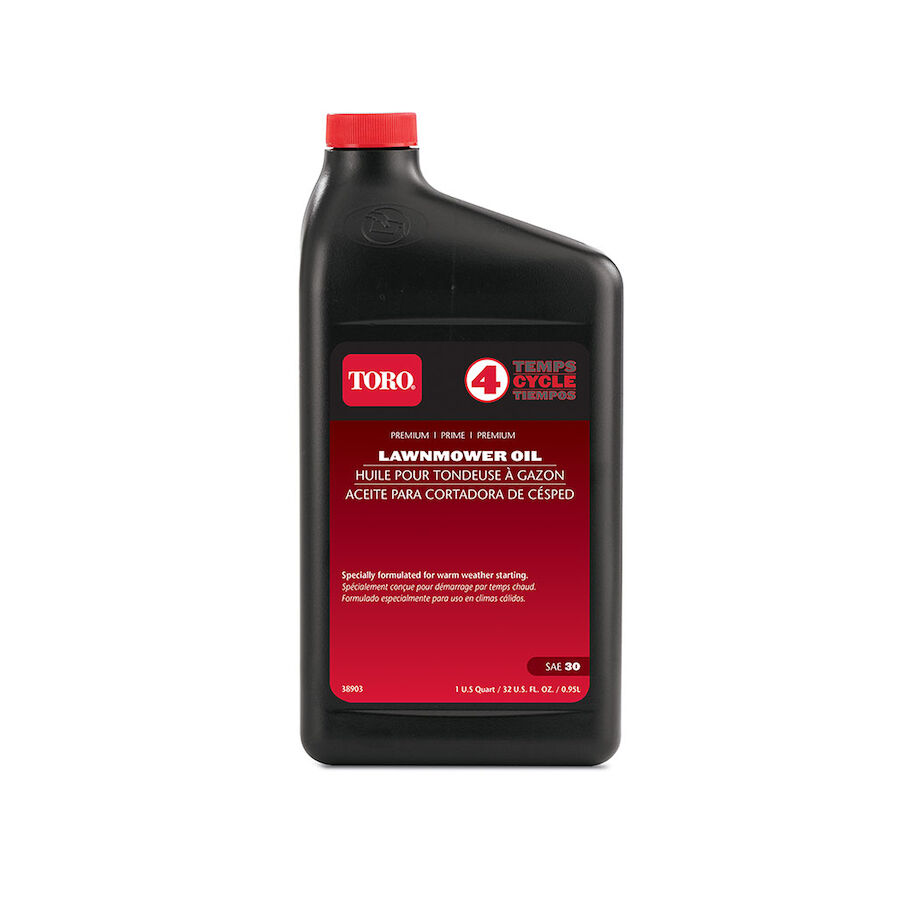
Most lawn mowers use SAE 30 oil. However, check your manual for the manufacturer’s recommendation.
Can I Use Car Oil In My Lawn Mower?
You can use car oil, but it should be SAE 30 or 10W-30 grade. Always check the manual first.
How Often Should I Change Lawn Mower Oil?
Change your lawn mower oil every 50 hours of use or at the start of each season.
Is Synthetic Oil Good For Lawn Mowers?
Yes, synthetic oil can improve performance and longevity. Use synthetic oil if recommended by your mower’s manufacturer.
Conclusion
Choosing the right oil for your lawn mower ensures smooth operation. Regular maintenance is key. Check your mower’s manual for specific oil recommendations. Use high-quality oil to extend the engine’s life. Avoid mixing different oil types. Proper oil care helps your lawn mower run efficiently.
Regularly change the oil for best performance. Keep your lawn mower in top shape with the right oil. Happy mowing!
