

Draining gas from a lawn mower without a siphon can seem tricky. But it’s simpler than you think.
Many lawn mower owners face this problem. You may need to remove old fuel to maintain your mower. Old gas can cause starting issues or damage the engine. Luckily, you can drain the gas with basic tools and a few steps.
Whether you’re preparing for winter storage or doing maintenance, this guide will help you. Let’s explore how you can do it easily and safely.
Preparing The Lawn Mower
Draining gas from your lawn mower without a siphon can be simple. Start by preparing your lawn mower properly. This ensures safety and efficiency. Follow these steps to get ready:
Gather Necessary Tools
Before you begin, gather all the tools you need. This will save you time and make the process smoother. Here is a list of what you’ll need:
- Wrench set
- Fuel container
- Rags or paper towels
- Gloves for protection
Choose A Safe Workspace
Pick a safe workspace to work on your lawn mower. The area should be well-ventilated and free of any flammable materials. Here are some tips:
- Outdoors or in a garage with open doors
- A flat, stable surface to prevent spills
- Keep fire extinguishers nearby for safety
By preparing your lawn mower and workspace, you ensure a smooth gas draining process.

Safety Precautions
Draining gas from a lawn mower without a siphon requires careful handling. Safety precautions are essential to avoid accidents. Follow these guidelines to ensure your safety during the process.
Wear Protective Gear
Always wear protective gear. Put on gloves to protect your hands from gas spills. Wear safety goggles to shield your eyes from harmful fumes. Consider wearing long sleeves and pants to protect your skin. Safety is a priority when dealing with gasoline.
Ensure Engine Is Cool
Make sure the engine is cool before you start. A hot engine can ignite the gas and cause a fire. Touch the engine to check its temperature. If it’s warm, wait until it cools down. Never drain gas from a hot engine. This simple step can prevent serious accidents.
Disconnecting The Spark Plug
Disconnecting the spark plug is a crucial step before draining gas from your lawn mower. This ensures safety and prevents accidental starts while you work on the machine. Follow these steps to safely disconnect the spark plug.
Locate The Spark Plug
First, find the spark plug on your lawn mower. It is usually located on the front or side of the engine. Look for a small, cylindrical part with a wire attached to it.
Detach The Spark Plug Wire
Next, gently pull the spark plug wire off the spark plug. Hold the boot and not the wire to avoid damage. Twist the boot slightly if it feels stuck.
Once the wire is disconnected, place it away from the spark plug. This ensures it doesn’t accidentally touch the plug while you work.
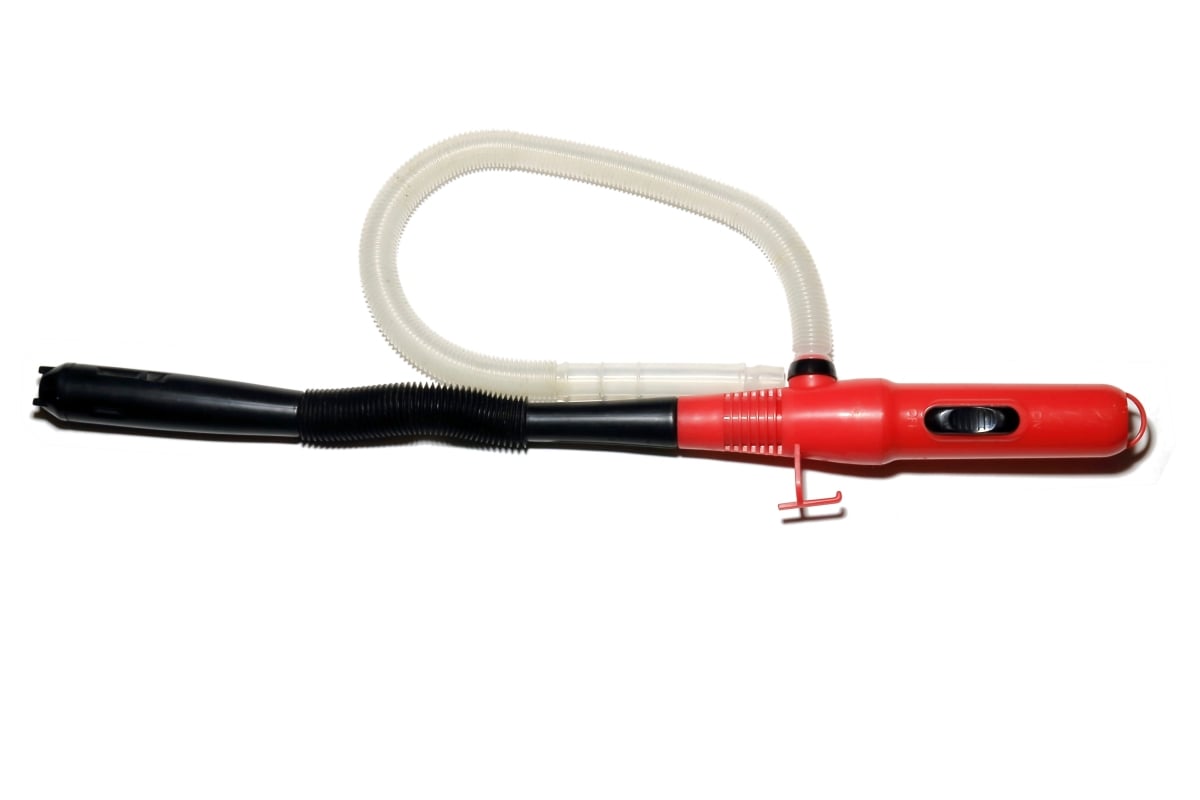
Locating The Fuel Line
Draining gas from a lawn mower can seem daunting. Especially without a siphon. But it is not. It just takes a few easy steps. The first step is locating the fuel line. This is where you will drain the fuel. Let’s break it down.
Identify The Fuel Line
The fuel line is a small, flexible tube. It runs from the gas tank to the engine. Look for a black or clear tube. It is usually located near the base of the gas tank. You may need to remove the mower’s cover. This will give you a clear view. Once found, the job gets easier.
Position A Container
Next, you need a container. This is to catch the draining gas. Use a clean, dry container. Place it under the fuel line. Make sure it is big enough to hold all the gas. A spill can be messy and dangerous. Now, you are ready to drain the gas.
Important: Always work in a well-ventilated area. Gas fumes are harmful. Safety first!
Draining The Gas
Draining the gas from your lawn mower is crucial for maintenance. Old gas can harm the engine and reduce performance. It’s best to drain the gas if you plan to store the mower for a long time. Let’s explore how to do this without a siphon.
Remove The Fuel Line Clamp
First, locate the fuel line on your lawn mower. It’s usually near the base of the carburetor. Use pliers to remove the clamp that holds the fuel line in place. Gently slide the clamp away from the carburetor.
Let Gas Flow Into Container
Next, place a suitable container under the fuel line. Carefully pull the fuel line off the carburetor. Let the gas flow into the container. Make sure the container is large enough to hold all the gas. Once the gas has drained, reattach the fuel line and secure the clamp. Dispose of the old gas properly.
Alternative Methods
Draining gas from a lawn mower can be a simple task. Many people use a siphon. But, what if you don’t have one? There are alternative methods that work just as well. Let’s explore two effective ways.
Tilt The Mower
One of the easiest methods is to tilt the mower. This method requires no special tools. Follow these steps:
- Make sure the mower is turned off and cool.
- Place a gas-safe container nearby.
- Tilt the mower gently to one side.
- Let the gas flow into the container.
Be careful not to spill the gas. It’s also important to tilt the mower slowly to avoid damaging the engine.
Use A Manual Pump
A manual pump can be very handy. This tool is inexpensive and easy to use. Here’s how to do it:
- Insert the pump’s intake tube into the gas tank.
- Place the output tube into a gas-safe container.
- Start pumping until the tank is empty.
A manual pump makes the process cleaner and quicker. Ensure all gas is removed to prevent engine issues later.
These methods are effective and safe. Keeping your lawn mower well-maintained is essential for its longevity. Whether you choose to tilt the mower or use a manual pump, these techniques will get the job done.
Cleaning The Fuel Tank
Cleaning the fuel tank of your lawn mower is an essential maintenance step. It ensures your machine runs smoothly and efficiently. A clean fuel tank prevents old gas buildup, which can damage the engine.
Remove Residual Fuel
First, make sure the lawn mower is turned off. Disconnect the spark plug to avoid any accidents. Next, locate the fuel tank and carefully remove the fuel cap. Use a clean, empty container to pour out any remaining gas. Tilt the mower gently to ensure you remove all the fuel.
Wipe The Interior
Once the fuel tank is empty, use a clean cloth to wipe the interior. Ensure you remove any dirt or debris. A clean tank prevents contamination of fresh fuel. This simple step helps maintain engine performance and longevity.
Reassembling The Mower
After draining the gas from your lawn mower, it’s essential to reassemble it correctly. This step ensures the mower runs smoothly and safely. Follow these steps to put everything back in place.
Reconnect The Fuel Line
Start by reconnecting the fuel line to the carburetor. Ensure the connection is secure and tight. This prevents any fuel leaks, which can be dangerous. Double-check the connection to avoid any mishaps.
Reattach The Spark Plug Wire
Next, reattach the spark plug wire to the spark plug. Ensure the wire is firmly connected. This step is crucial for the mower’s ignition system. A loose connection can cause starting issues.
Once the spark plug wire is reattached, your lawn mower is ready for use again. Always perform a quick inspection before starting the mower. This ensures everything is in order.
Disposing Of Old Gas
Disposing of old gas from your lawn mower is essential for safety and environmental reasons. Old gas can become stale and cause engine problems. Here’s how you can dispose of it properly.
Store Safely
Before taking any action, ensure you store the old gas safely. Use a clean, approved gas container to avoid any spills or leaks.
- Label the container clearly as “old gas” to avoid confusion.
- Keep it in a well-ventilated area, away from open flames or heat sources.
- Ensure the container is tightly sealed to prevent fumes from escaping.
Proper storage is crucial to avoid accidents or health hazards.
Take To A Recycling Center
Recycling centers can handle old gas safely and responsibly. Here’s how to find one and what to do:
- Search online for local recycling centers that accept hazardous materials.
- Call ahead to confirm they accept old gas and ask about any specific requirements.
- Transport the gas container carefully to the recycling center.
Many recycling centers offer this service for free. This ensures the gas is disposed of without harming the environment.

Frequently Asked Questions
How Can I Drain Gas From My Lawn Mower?
To drain gas from your lawn mower, locate the fuel line. Disconnect it and let the fuel drain into a container. Ensure the mower is off and cool before starting. Safety first!
What Tools Do I Need To Drain Lawn Mower Gas?
You’ll need a wrench, a container, and protective gloves. No siphon is required. Make sure the container is suitable for holding gasoline. Always work in a well-ventilated area for safety.
Can I Drain Gas Without A Siphon?
Yes, you can drain gas without a siphon. Disconnect the fuel line and let the fuel drain into a container. Ensure the lawn mower is turned off and cool before starting.
Why Should I Drain Gas From My Lawn Mower?
Draining gas prevents fuel from going stale and damaging the engine. It’s essential for mower maintenance, especially before storing it for winter. Regular maintenance helps extend the mower’s lifespan.
Conclusion
Draining gas from a lawn mower without a siphon is straightforward. Follow the steps carefully. Empty the tank to prevent engine issues. Use a clean container for safety. Regular maintenance keeps your lawn mower in good shape. Always check the user manual for specific instructions.
Stay safe and handle fuel responsibly. Now, you can manage this task with ease and confidence. Happy mowing!
