
The type of gas your lawn mower needs can affect its performance. Using the right fuel ensures your mower runs smoothly and efficiently.
Not sure what type of gas to use for your lawn mower? You are not alone. Many people find it confusing, especially with different models and fuel options available. Choosing the right gas is crucial for your lawn mower’s longevity and efficiency.
From regular unleaded to ethanol blends, the choices can be overwhelming. This blog will guide you through the options, making it easier to decide the best fuel for your machine. You will learn about the pros and cons of different types of gas and how to make a well-informed choice. Let’s dive in and keep your mower running at its best!

Regular Unleaded Gasoline
Many people use regular unleaded gasoline for their lawn mowers. This type of gasoline is common and easy to find. It powers many small engines effectively.
Benefits
There are several benefits to using regular unleaded gasoline:
- Availability: Regular unleaded gas is available at most gas stations.
- Affordability: It is often cheaper than other types of fuel.
- Compatibility: Most lawn mowers are designed to use this type of gas.
These benefits make regular unleaded gas a convenient choice for many users.
Potential Drawbacks
Despite its benefits, there are some potential drawbacks:
- Short Shelf Life: Regular unleaded gas can degrade over time.
- Ethanol Content: Many regular gasolines contain ethanol, which can harm small engines.
- Engine Build-Up: It can cause carbon build-up in the engine over time.
These drawbacks may lead to maintenance issues for your lawn mower.
| Benefit | Description |
|---|---|
| Availability | Found at most gas stations |
| Affordability | Cheaper compared to other fuel types |
| Compatibility | Suitable for most lawn mowers |
Ethanol-blended Gasoline
Choosing the right fuel for your lawn mower is crucial for its performance and longevity. Ethanol-blended gasoline has become a popular choice due to its environmental benefits. But how does it impact your lawn mower?
Pros And Cons
Using ethanol-blended gasoline in your lawn mower has its advantages and disadvantages. Here’s a quick look:
| Pros | Cons |
|---|---|
| Reduces air pollution | Can attract moisture |
| Supports renewable energy | May damage rubber parts |
| Often cheaper | Shorter shelf life |
Impact On Lawn Mowers
Ethanol can affect your lawn mower in various ways:
- Moisture Attraction: Ethanol absorbs water from the air. This can lead to corrosion inside the engine.
- Component Damage: Ethanol may damage rubber and plastic parts. This includes fuel lines and carburetor gaskets.
- Fuel Stability: Ethanol-blended gasoline has a shorter shelf life. This can lead to fuel separation over time.
- Performance: Using ethanol gas might reduce engine performance. This is due to the lower energy content compared to pure gasoline.
Before using ethanol-blended gasoline, check your lawn mower’s manual. Some engines are designed to handle ethanol better than others. Proper maintenance can also mitigate some of the negative effects.
Premium Gasoline
Using premium gasoline for your lawn mower can be a great choice. It has a higher octane rating. This helps in cleaner combustion and better performance. But is it worth the extra cost? Let’s find out.
Advantages
Premium gasoline offers several benefits for your lawn mower. Here are some key advantages:
- Improved Engine Performance: Higher octane levels reduce engine knocking.
- Cleaner Combustion: Burns fuel more efficiently, leading to fewer deposits.
- Longer Engine Life: Reduces wear and tear on engine parts.
- Better Fuel Economy: May offer slight improvements in fuel efficiency.
Is It Worth The Cost?
Premium gasoline can be more expensive than regular gas. But the benefits may outweigh the cost. Here are some points to consider:
| Factor | Premium Gasoline | Regular Gasoline |
|---|---|---|
| Price | Higher | Lower |
| Performance | Better | Adequate |
| Engine Longevity | Longer | Standard |
| Fuel Efficiency | Potentially Higher | Standard |
Choosing premium gasoline depends on your lawn mower’s needs. If you value performance and longevity, premium gas may be worth it.
Alternative Fuel Options
With traditional gasoline prices rising and environmental concerns growing, many lawn mower owners are seeking alternative fuel options. Switching to a different fuel type can save money and reduce your carbon footprint. Let’s explore two popular alternatives to gasoline.
Propane
Propane is a clean-burning fuel that offers several benefits. It produces fewer emissions compared to gasoline. Lawn mowers running on propane are usually quieter. This makes them a good choice for residential areas. Propane is also cost-effective and widely available.
Using propane requires a conversion kit for your lawn mower. The kit includes a propane tank and necessary fittings. Some manufacturers even offer propane-ready models. Propane tanks are easy to refill or exchange at many locations. This makes it a convenient option for homeowners.
Electric Conversion
Electric conversion is another attractive alternative. Converting your gas lawn mower to electric involves replacing the gasoline engine with an electric motor. This conversion reduces noise and emissions. It also simplifies maintenance since electric motors have fewer moving parts.
There are two types of electric mowers: corded and battery-powered. Corded mowers offer unlimited runtime, while battery-powered mowers provide greater mobility. Consider the size of your lawn and your power source availability when choosing.
Electric conversions can be a bit costly upfront. However, the long-term savings on fuel and maintenance can offset this cost. Electric mowers are also lighter and easier to handle. This makes them ideal for people of all ages.
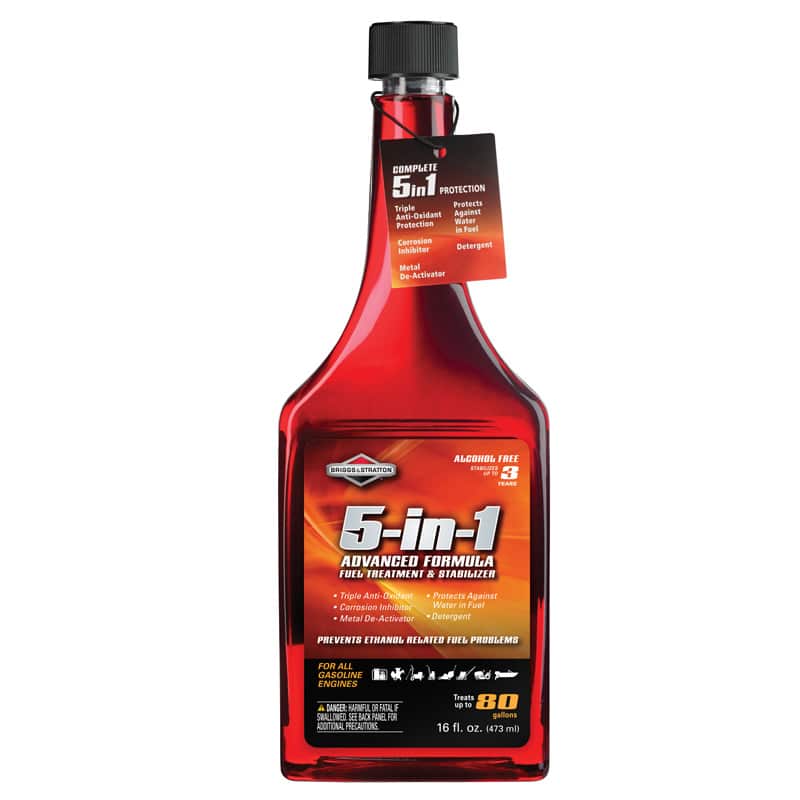
Fuel Stabilizers
Fuel stabilizers play a crucial role in maintaining your lawn mower’s performance. They prevent gasoline from degrading over time, ensuring your mower runs smoothly. Understanding their purpose and timing is essential for optimal lawn mower upkeep.
Purpose
Fuel stabilizers keep gasoline fresh for longer periods. Gasoline can degrade in as little as 30 days. This can lead to engine problems. Fuel stabilizers prevent this by slowing down the chemical breakdown of gasoline. Stabilizers also help prevent gum and varnish build-up. This keeps your lawn mower’s engine clean.
When To Use
Use fuel stabilizers when storing your lawn mower for more than 30 days. Add stabilizer to the gas tank before the long storage period. Follow the instructions on the stabilizer’s bottle. Mix it well with the gasoline for the best results. Regular use ensures your lawn mower starts easily after long periods of inactivity. It also helps maintain the engine’s longevity.
Seasonal Considerations
Choosing the right type of gas for your lawn mower is crucial. Seasonal changes can affect the performance of your lawn mower. Understanding how to manage your fuel during different seasons helps keep your mower running smoothly all year round.
Winter Storage
During winter, your lawn mower will likely be in storage. It’s essential to prepare it properly. Stale gas can cause problems. Always use fresh gas before storing your mower.
Here are some tips to follow:
- Use a fuel stabilizer to keep the gas fresh.
- Run the mower to distribute the stabilizer through the engine.
- Drain the fuel tank if storing for more than 30 days.
Using a fuel stabilizer prevents the gas from breaking down. This keeps the engine components clean. If you’re storing for longer periods, drain the fuel tank completely. This avoids gum deposits forming in the fuel system.
Summer Usage
In summer, your lawn mower will be in frequent use. The right type of gas ensures optimal performance. Ethanol-free gas is ideal during this season.
Consider these points:
- Use fresh gas regularly.
- Avoid using gas that contains more than 10% ethanol.
- Check your owner’s manual for specific fuel recommendations.
Fresh gas ensures smooth operation. Gas with high ethanol content can harm your mower’s engine. Always check your owner’s manual for the best fuel type. This ensures the longevity of your lawn mower.
Maintenance Tips
Maintaining your lawn mower’s fuel system is vital. Proper care ensures your mower runs smoothly. Follow these maintenance tips to keep your lawn mower in top shape.
Regular Fuel Checks
Check your lawn mower’s fuel level before each use. Running out of fuel mid-job can be frustrating. Inspect the fuel quality too. Old or contaminated fuel can harm the engine. Use fresh, clean gas to keep your mower running well.
Cleaning The Fuel System
Clean the fuel system regularly. Dirt and debris can clog the fuel lines. This affects the mower’s performance. Drain old fuel from the tank before storing the mower. Use a fuel stabilizer to keep the gas fresh. Clean the carburetor to remove any buildup. This ensures a smooth start and efficient mowing.

Frequently Asked Questions
What Gas Do Lawn Mowers Use?
Lawn mowers typically use regular unleaded gasoline. Make sure it’s fresh, clean, and ethanol-free for best performance.
Can I Use Premium Gas In My Lawn Mower?
Yes, you can use premium gas. However, it’s not usually necessary. Regular unleaded gasoline works perfectly fine.
Should I Use Ethanol-free Gas For My Mower?
Ethanol-free gas is recommended. It helps prevent engine issues and improves performance, especially for small engines.
What Octane Rating Is Best For Lawn Mowers?
Use gasoline with an octane rating of 87 or higher. Higher octane isn’t required unless specified by the manufacturer.
Conclusion
Choosing the right gas for your lawn mower is essential. It keeps your mower running smoothly and extends its life. Always check your mower’s manual for fuel recommendations. Regular unleaded gasoline works for most mowers. Avoid using old or contaminated gas.
Proper fuel storage can prevent many issues. Following these tips ensures your lawn mower performs well. Keep your yard looking great with the right fuel choice. Happy mowing!
