
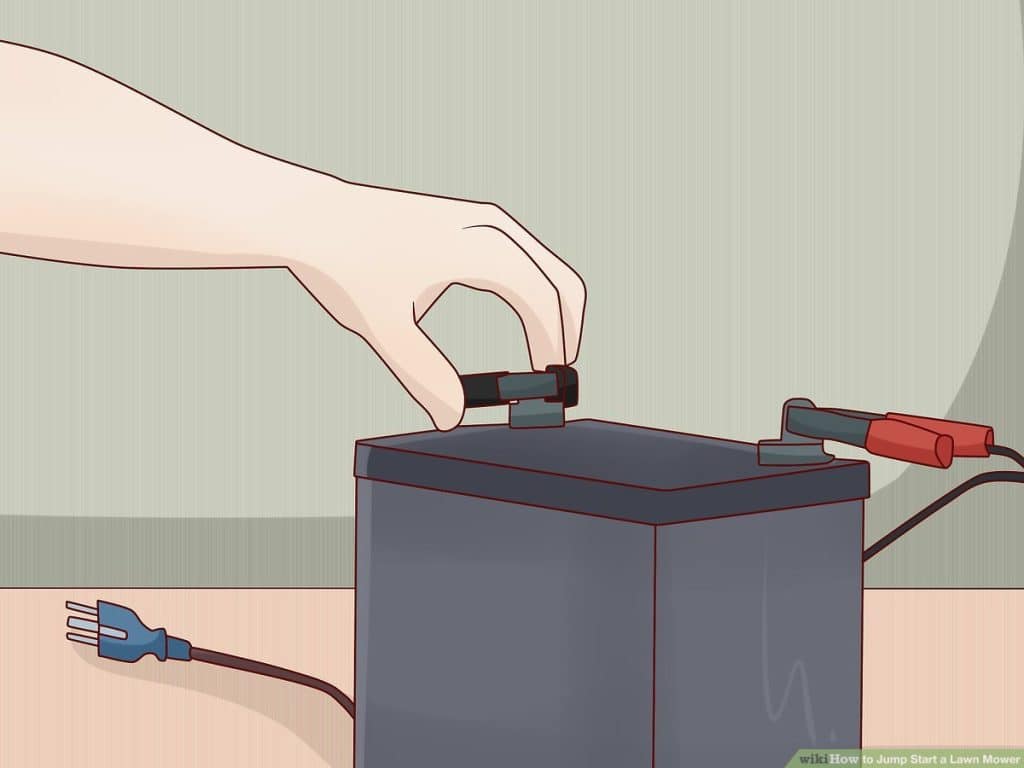
Jump-starting a lawn mower battery can be quick and easy. It saves time and avoids frustration.
Most people have faced a dead lawn mower battery at least once. It can halt your yard work and ruin your day. But don’t worry! Learning how to jump-start your lawn mower battery can be a lifesaver. With a few tools and simple steps, you can get your mower running again.
This guide will show you how. It’s straightforward and will help you get back to maintaining your lawn in no time. Get ready to learn and say goodbye to dead battery woes!
Gathering Supplies
Before jump-starting your lawn mower battery, gather all necessary supplies. Proper preparation ensures a smooth process. Collecting the right tools and understanding your battery type is crucial.
Essential Tools
Start with a set of jumper cables. These cables connect the mower battery to a power source. Choose cables with thick, insulated wires. This ensures safety and efficiency.
A power source is also needed. A car battery or a portable jump starter works well. Make sure the power source is fully charged and in good condition.
Safety gear is important too. Use gloves to protect your hands. Wear safety goggles to shield your eyes. These items help prevent accidents and injuries.
Battery Types
Identify the type of battery in your lawn mower. Most mowers use lead-acid batteries. These are common and easy to jump-start. Some newer models use lithium-ion batteries. These batteries require different handling.
Check the battery label for information. It provides details on the voltage and type. Knowing this helps you choose the right power source and method.
Keep the battery clean and dry. Dirt and moisture can cause problems. Wipe the battery with a dry cloth if needed. This ensures a better connection and safer process.

Preparing The Lawn Mower
Jump starting a lawn mower battery can be easy. Follow these steps to safely prepare your lawn mower. Proper preparation ensures the task goes smoothly.
Positioning The Mower
Start by placing your lawn mower on a flat, stable surface. This prevents it from rolling or tipping over. Ensure there’s enough space around it for you to move freely. Clear the area of any obstacles or debris. This keeps you safe and prevents any mishaps during the process.
Checking The Battery
Next, locate the battery on your lawn mower. It’s usually under the seat or hood. Once found, inspect the battery terminals. Look for signs of corrosion or dirt. If you see any, clean them with a wire brush. Ensure the connections are tight and secure. Loose connections can prevent the battery from charging properly.
| Step | Description |
|---|---|
| 1 | Locate the battery |
| 2 | Inspect terminals |
| 3 | Clean terminals |
| 4 | Check connections |
Check the battery voltage using a multimeter. A fully charged battery should read around 12.6 volts. If it’s below 12 volts, it needs a jump start. Always wear protective gloves and glasses while working with batteries. Safety first!
Connecting The Jumper Cables
Jump-starting a lawn mower battery is a straightforward task. But it requires some caution. Properly connecting the jumper cables is crucial. This ensures safety and effectiveness. Below are detailed steps for connecting the jumper cables.
Positive And Negative Terminals
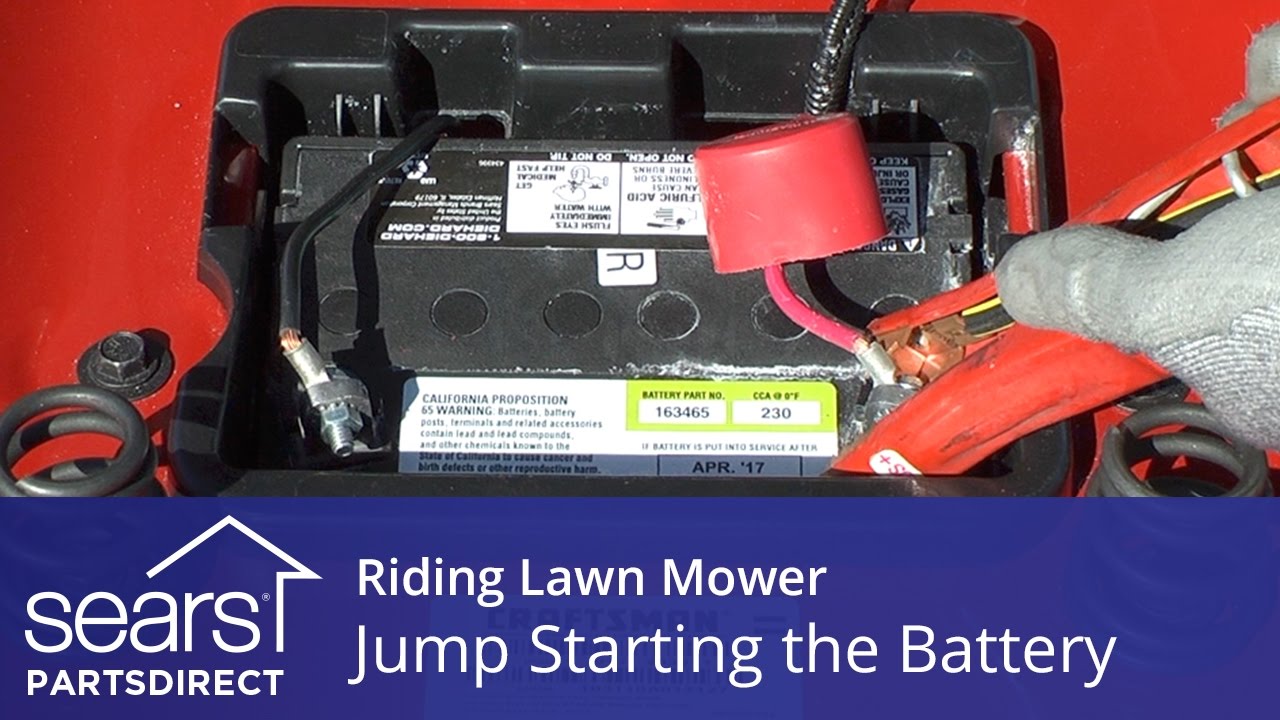
First, identify the positive and negative terminals on the lawn mower battery. The positive terminal usually has a red cover or a plus sign (+). The negative terminal often has a black cover or a minus sign (-).
Cable Attachment Order
The order of attaching the jumper cables is important. Follow these steps:
- Attach one end of the red cable to the positive terminal of the mower battery.
- Connect the other end of the red cable to the positive terminal of the donor battery.
- Attach one end of the black cable to the negative terminal of the donor battery.
- Connect the other end of the black cable to an unpainted metal part of the mower frame. This acts as a ground. Do not attach it to the negative terminal of the mower battery.
Ensure all connections are secure. The cables should not touch each other. This prevents short circuits. After connecting, start the donor vehicle first. Then, try starting the lawn mower.
Starting The Engine
Getting your lawn mower ready for the season involves several steps. One crucial step is starting the engine. This process can be straightforward if the battery is in good condition. If not, you might need to jump start the battery. Here, we will guide you through cranking the mower and troubleshooting common issues.
Cranking The Mower
First, ensure the mower is on a flat surface. Safety is essential when working with machinery. Next, locate the battery. It is usually under the seat or hood. Connect the positive (red) cable to the positive terminal of the battery. Then, attach the negative (black) cable to a metal part of the mower frame.
Start the engine of the vehicle providing the jump. Wait a minute or two. Now, try to start the mower. If it cranks, great! Let it run for a few minutes. This will help charge the battery. Disconnect the cables in the reverse order: negative first, then positive. You should be ready to mow your lawn.
Troubleshooting Issues
Sometimes, the mower may not start. Check the connections first. Ensure the cables are tight and secure. If the connections are good, the battery might be the issue. Use a multimeter to check the battery voltage. A fully charged battery should read around 12.6 volts. If the reading is lower, the battery may need to be replaced.
Another issue could be the starter. Listen for a clicking sound when you turn the key. A click usually indicates a problem with the starter. If you hear no sound, it could be a faulty ignition switch or wiring issue. Inspect these components for wear or damage.
Lastly, ensure there is enough fuel. Sometimes, it is the simplest things that get overlooked. Check the fuel level and add more if needed. Also, inspect the fuel line for any blockages.
By following these steps, you can troubleshoot and resolve most starting issues. Happy mowing!
Disconnecting The Jumper Cables
Disconnecting the jumper cables from a lawn mower battery requires care. Improper removal can lead to sparks or damage. Follow these steps to safely remove the jumper cables.
Proper Removal Sequence
Always start by removing the negative cable first. It is usually black. Disconnect it from both batteries. Then, remove the positive cable, which is usually red. This order prevents short circuits.
Avoiding Sparks
Avoiding sparks is crucial for safety. Ensure the engine is off before removing the cables. Keep metal objects away from the battery terminals. This reduces the risk of accidental sparks.
Post-jump Start Maintenance
Jump starting a lawn mower battery is simple. Connect jumper cables to a working battery. Turn on the mower, then let it run to charge.
Jump-starting your lawn mower battery is just the first step. Proper maintenance is crucial for extending the battery’s life. After getting it started, there are several important steps you should follow to ensure your lawn mower runs smoothly.Battery Charging
Make sure the battery is fully charged. Use a quality battery charger. Connect the charger according to the instructions. Monitor the charging process. Do not overcharge the battery. Overcharging can damage it. Check the charger’s manual for the proper charging time.Regular Checks
Inspect the battery regularly. Look for signs of corrosion. Clean any corrosion with a baking soda solution. Check the battery terminals. Ensure they are tight and secure. Loose terminals can cause starting issues. Check the electrolyte levels if you have a wet-cell battery. Top it up with distilled water if necessary. Regular maintenance ensures the battery remains in good condition. “`Preventing Future Battery Issues
To keep your lawn mower battery in good condition, you need to take preventive measures. Proper maintenance can help prolong the life of your battery. Here are some tips to prevent future battery issues.
Storage Tips
Proper storage of your lawn mower battery is crucial. Follow these tips to ensure your battery remains in good condition:
- Store the battery in a cool, dry place. Avoid extreme temperatures.
- Disconnect the battery from the mower if you are not using it for a long time.
- Clean the battery terminals and apply a thin coat of petroleum jelly to prevent corrosion.
- Charge the battery fully before storing it. A partially charged battery may lose its charge over time.
Usage Best Practices
Using your lawn mower battery correctly can extend its lifespan. Here are some best practices for using your battery:
- Avoid running the battery down completely. Charge it regularly.
- Use the right charger for your battery. An incorrect charger can damage the battery.
- Check the battery’s water levels if it’s a lead-acid type. Top it up with distilled water if necessary.
- Inspect the battery for any signs of damage or wear. Replace it if needed.
Following these tips can help you avoid future battery issues. Proper storage and usage are key to maintaining your lawn mower battery. Keep these best practices in mind to ensure your battery lasts longer.

Frequently Asked Questions
Can I Jumpstart My Lawn Mower Battery With My Car?
Yes, you can jumpstart your lawn mower battery with your car. Ensure both batteries have matching voltages. Use proper safety precautions.
Can You Bring A Dead Lawn Mower Battery Back To Life?
Yes, you can revive a dead lawn mower battery. Charge it with a compatible charger. If it doesn’t hold charge, replacement might be needed.
How Do You Charge A Dead Riding Lawn Mower Battery?
To charge a dead riding lawn mower battery, connect a battery charger to the terminals. Set the charger to the appropriate voltage. Plug in the charger and let it charge until full. Disconnect the charger once the battery is fully charged.
Always follow safety guidelines.
What To Do If A Lawn Mower Battery Dies?
Replace or recharge the lawn mower battery. Clean terminals and check connections. Ensure proper storage to prevent future issues.
Conclusion
Jump starting a lawn mower battery can be simple. Follow the steps carefully. Ensure safety first by wearing gloves and glasses. Connect the jumper cables properly. Start your car and then the mower. Let it run for a while. Regular maintenance prevents future issues.
Check the battery regularly. Keep your mower running smoothly. Happy mowing!
