

A faulty spark plug can make your lawn mower hard to start. It can also cause it to run poorly.
Knowing the signs of a bad spark plug can save you time and effort. Your lawn mower’s spark plug is vital for igniting the fuel and air mixture in the engine. Without a good spark plug, your mower will not run smoothly.
It might even refuse to start. Regular maintenance and checks can help keep your lawn mower in top shape. In this post, we will explore the signs of a failing spark plug. You will learn how to identify these signs and what steps to take next. This knowledge can ensure your lawn mower works efficiently, making yard work less of a chore.
Signs Of A Bad Spark Plug
Keeping your lawn mower in top condition is crucial for a well-maintained lawn. A bad spark plug is one of the most common issues that can affect your mower’s performance. Knowing the signs of a bad spark plug can save you time and hassle.
Difficulty Starting
One clear sign of a bad spark plug is difficulty starting the lawn mower. If you find yourself pulling the starter cord repeatedly without success, the spark plug might be the culprit. A worn-out spark plug fails to create the spark needed to ignite the fuel-air mixture in the engine.
Here’s what you can look for:
- Multiple attempts to start the mower
- Longer cranking times
- Inconsistent starting behavior
Engine Misfires
An engine misfire is another common sign of a bad spark plug. When the spark plug fails to ignite the fuel-air mixture properly, it can cause the engine to run unevenly or stall.
Symptoms of engine misfires include:
- Uneven engine running
- Intermittent power loss
- Unusual noises like sputtering or popping
These issues can lead to a less effective mowing experience and potential damage to your lawn mower engine.
Visual Inspection
Visual inspection is a quick way to check if your lawn mower spark plug is bad. This method helps you identify visible signs of damage or wear. A thorough visual inspection can reveal a lot about the health of your spark plug. Let’s dive into the key steps for a proper visual inspection.
Checking For Damage
First, remove the spark plug from the lawn mower. Check the ceramic insulator for cracks or chips. These damages can affect the plug’s performance. Also, look at the metal parts of the spark plug. Bent or broken electrodes indicate a problem. If you see any of these signs, the spark plug is likely bad.
Examining Carbon Build-up
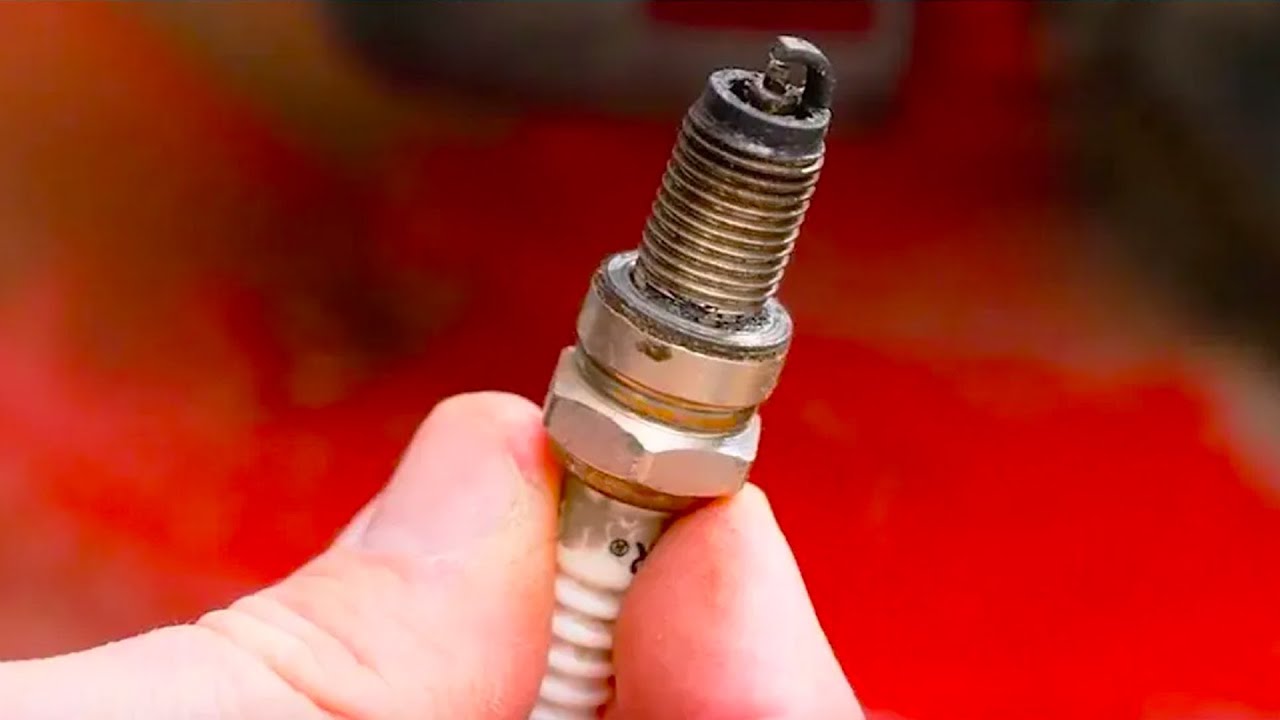
Next, examine the spark plug for carbon build-up. A thick, black coating on the electrodes is a bad sign. This build-up can prevent the spark plug from working properly. It usually means the engine is running too rich. Clean the spark plug if the build-up is not too bad. But if it’s heavily coated, replace the spark plug.
Performance Issues
A malfunctioning spark plug can cause various performance issues in your lawn mower. Recognizing these signs early can prevent further damage and keep your lawn mower running efficiently. Below are some key performance issues to watch for.
Reduced Power
One of the most noticeable signs of a bad spark plug is reduced power. If your lawn mower struggles to cut grass, even at full throttle, it could be due to a faulty spark plug. The engine may sound weaker and less responsive. This power loss can make mowing your lawn a more tedious task.
Increased Fuel Consumption
Another clear indicator is increased fuel consumption. A bad spark plug can cause the engine to work harder, burning more fuel than usual. You might find yourself refilling the gas tank more often. This not only increases your fuel costs but also harms the environment.
Unusual Noises
Is your lawn mower making strange sounds? Unusual noises can be a strong indicator that your spark plug is bad. A lawn mower’s engine should run smoothly. If it starts making odd sounds, it’s time to investigate.
Popping Sounds
Popping sounds from your lawn mower are not normal. These sounds often mean that the spark plug is not firing correctly. The engine misfires and creates these popping noises.
To check, remove the spark plug and inspect it. Look for signs of wear, such as a black or sooty appearance. If the spark plug is dirty or damaged, replace it. This simple step can often resolve the issue.
Rough Idling
Rough idling is another sign of a bad spark plug. The engine may run unevenly or vibrate when idle. This happens because the spark plug is not igniting the fuel properly.
Listen to your lawn mower while it is idling. If you hear sputtering or feel vibrations, check the spark plug. A quick inspection and replacement if needed can save you time and effort.
| Symptom | Possible Cause | Action |
|---|---|---|
| Popping Sounds | Misfiring spark plug | Inspect and replace spark plug |
| Rough Idling | Worn spark plug | Check and replace spark plug |
Keep your lawn mower running smoothly by paying attention to unusual noises. These symptoms often point to a bad spark plug. Regular checks can prevent bigger problems and ensure a well-maintained lawn mower.
Checking For Spark
Your lawn mower might be difficult to start due to a bad spark plug. Checking for spark is a quick way to confirm if the spark plug is the issue. This guide will help you understand how to check for spark and interpret the results.
Using A Spark Tester
To check for spark, you need a spark tester. Follow these steps:
- Turn off the lawn mower and remove the spark plug wire.
- Attach the spark tester to the spark plug wire.
- Connect the other end of the spark tester to the spark plug.
- Start the engine and watch the tester.
If the tester shows a spark, the spark plug is working. If not, the spark plug may be bad.
Interpreting Test Results
| Result | Condition |
|---|---|
| Bright Blue Spark | The spark plug is good. |
| Weak or No Spark | The spark plug may be bad. |
| Intermittent Spark | The spark plug might be failing. |
A bright blue spark indicates a good spark plug. A weak or no spark suggests the spark plug needs replacement. An intermittent spark may mean the spark plug is failing.
Replacing the spark plug is a simple fix. It improves your lawn mower’s performance.
Replacing The Spark Plug
A bad lawn mower spark plug can cause the engine to misfire or not start. Check for difficulty starting, poor fuel efficiency, or unusual noises. Replacing the spark plug can restore proper function.
Replacing a lawn mower spark plug can solve many engine issues. It’s a simple task that can make your mower run like new. This guide will help you choose the right plug and install it correctly.Choosing The Right Plug
First, you need the correct spark plug for your mower. Check your mower’s manual. It lists the right type and size. You can also take the old plug to the store. Match it with a new one. Buying the wrong plug can cause problems. Always double-check the part number.Installation Tips
Before you begin, gather your tools. You will need a socket wrench and a spark plug gap tool. Start by disconnecting the mower’s spark plug wire. This prevents accidental starts. Use the socket wrench to remove the old plug. Turn it counterclockwise. Check the new plug’s gap with the gap tool. The gap should match your manual’s recommendation. Adjust if needed. Now, insert the new plug by hand. Turn it clockwise until snug. Use the wrench to give it a final turn. Do not over-tighten. Reconnect the spark plug wire. Your mower should now start easily. “`Maintenance Tips
Maintaining your lawn mower is essential for its longevity and performance. Regular upkeep can prevent many common issues, including problems with the spark plug. Below are some useful tips to keep your lawn mower running smoothly.
Regular Cleaning
A clean lawn mower operates efficiently. Make sure to clean the spark plug area often. Dirt and debris can affect its performance. Use a brush to remove any buildup around the spark plug.
Follow these steps to clean the spark plug:
- Turn off the lawn mower and let it cool.
- Remove the spark plug wire.
- Use a brush to clean the area around the spark plug.
- Remove the spark plug using a socket wrench.
- Inspect the spark plug for debris and clean it with a wire brush.
- Reinstall the spark plug and reconnect the wire.
Routine Inspections
Regular inspections can catch problems early. Check the spark plug for signs of wear or damage. A damaged spark plug can cause starting issues or poor performance.
Look for these signs during your inspection:
| Sign | What It Means |
|---|---|
| Black deposits | Engine running rich |
| White deposits | Engine running lean |
| Cracked insulator | Potential electrical issue |
| Worn electrodes | Spark plug needs replacing |
Replace the spark plug if you notice any of these issues. A new spark plug can make a big difference in performance.
In summary, keeping your lawn mower’s spark plug clean and checking it regularly can help avoid many common problems. Follow these maintenance tips to keep your mower in top shape.
Professional Help
Sometimes, identifying a bad lawn mower spark plug can be tricky. You might not feel confident diagnosing or fixing the issue yourself. In such cases, seeking professional help is a good choice. A technician can quickly identify and resolve the problem, ensuring your lawn mower runs smoothly.
When To Seek Help
If your lawn mower still does not start after basic troubleshooting, it might be time to consult an expert. A professional can detect issues that may not be visible to the untrained eye. Additionally, if you notice any unusual sounds or smells coming from your mower, it’s a sign to seek help.
Repeated problems after changing the spark plug also warrant professional intervention. Sometimes, underlying issues might cause the spark plug to fail. A technician can uncover these hidden problems and fix them efficiently.
Finding A Technician
Locating a reliable technician is crucial for proper lawn mower maintenance. Start by asking friends or family for recommendations. They might know a trustworthy technician who can help.
Searching online for local repair services is another option. Check reviews and ratings to ensure you choose a skilled professional. A good technician should have positive feedback and experience with various lawn mower brands.
Visiting a local hardware store can also help. Store employees often have contacts with reliable repair services. They can guide you to a qualified technician who can fix your lawn mower issues.
Frequently Asked Questions
What Are The Symptoms Of A Bad Spark Plug In A Lawn Mower?
A bad spark plug in a lawn mower can cause hard starting, rough idling, poor fuel efficiency, and engine misfires.
Will A Lawn Mower Start With A Bad Spark Plug?
A lawn mower may not start with a bad spark plug. The engine needs a good spark to ignite fuel. Replace the spark plug for reliable starting.
How To Know If A Spark Plug Is Bad?
Check for difficulty starting, misfires, rough idling, poor acceleration, and decreased fuel efficiency. Inspect for damage or deposits.
How Often Should Lawn Mower Spark Plugs Be Changed?
Change lawn mower spark plugs every season or after 25 hours of use. Regular maintenance ensures optimal performance.
Conclusion
A bad spark plug can cause lawn mower issues. Check for these signs. Difficulty starting, poor performance, or strange noises. Replace spark plug if needed. Regular maintenance helps keep your lawn mower running smoothly. Inspecting and changing spark plugs is simple.
Save time and avoid frustration. Keep your lawn mower in top shape. Enjoy a well-maintained lawn with ease. Happy mowing!
